





As was customary in most Roman cities, the people of Cordoba buried their dead outside the city walls, near the roads leading into the city. Currently, the burial areas from the Republican period are unknown; it is thought they might have been located to the south, between the riverbank and the city wall. However, there are no remains to confirm this theory, and the expansion of the city southward during the time of Augustus—now the historic center—greatly complicates the possibility of finding significant remains.
With the arrival of Augustus, a process of monumentalization began in the city, turning the entrances into authentic funerary roads, where the importance of funerary buildings nearby stood out. The result is a setting with notable ideological and visual impact, clearly demonstrating the value of memory in the Roman world. However, recent excavations show the coexistence of these spaces with centers of “noxious” activities, such as dumps or foundries, which were logically better kept outside the city walls.
Preserved Roman Tombs
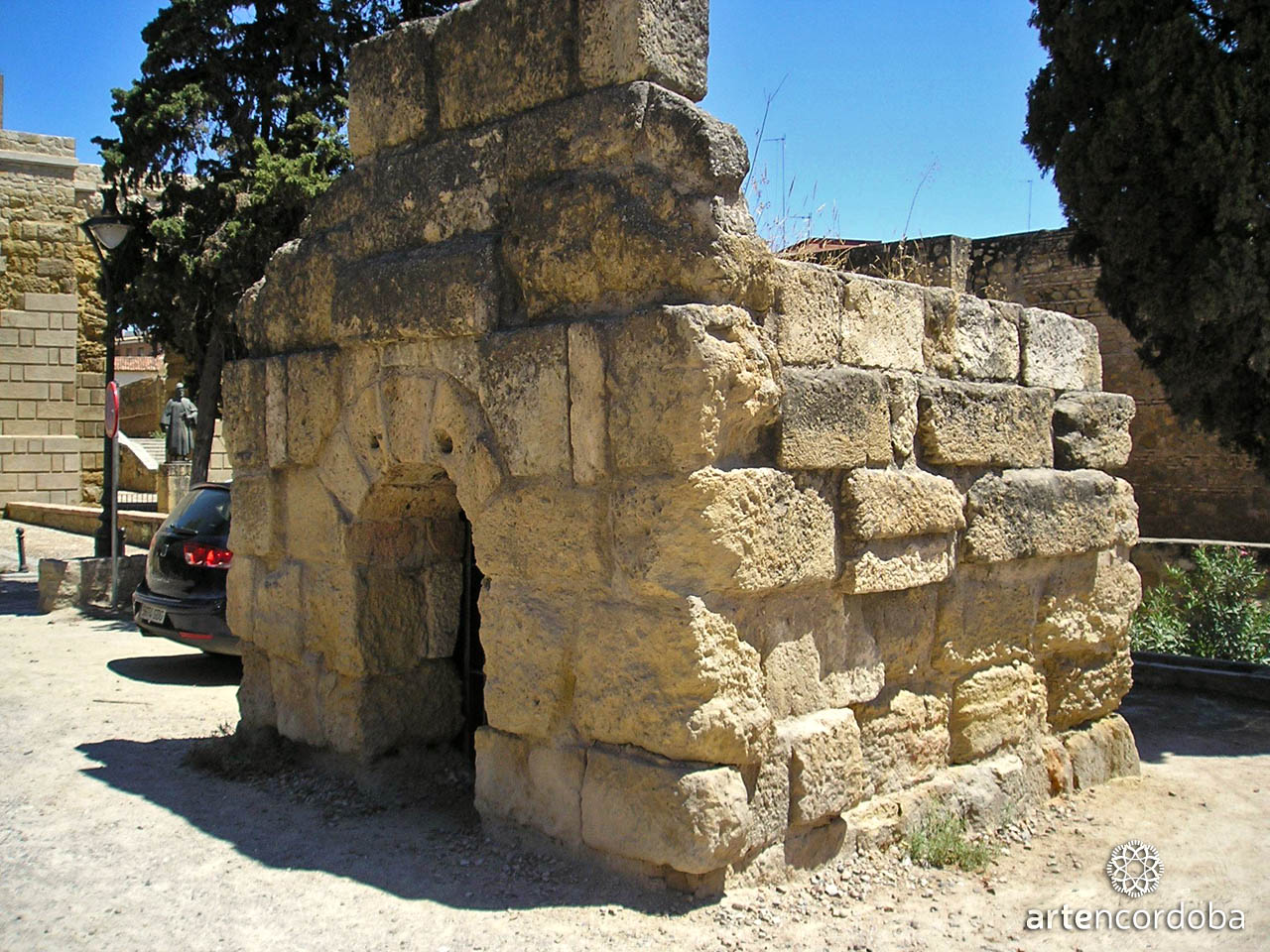
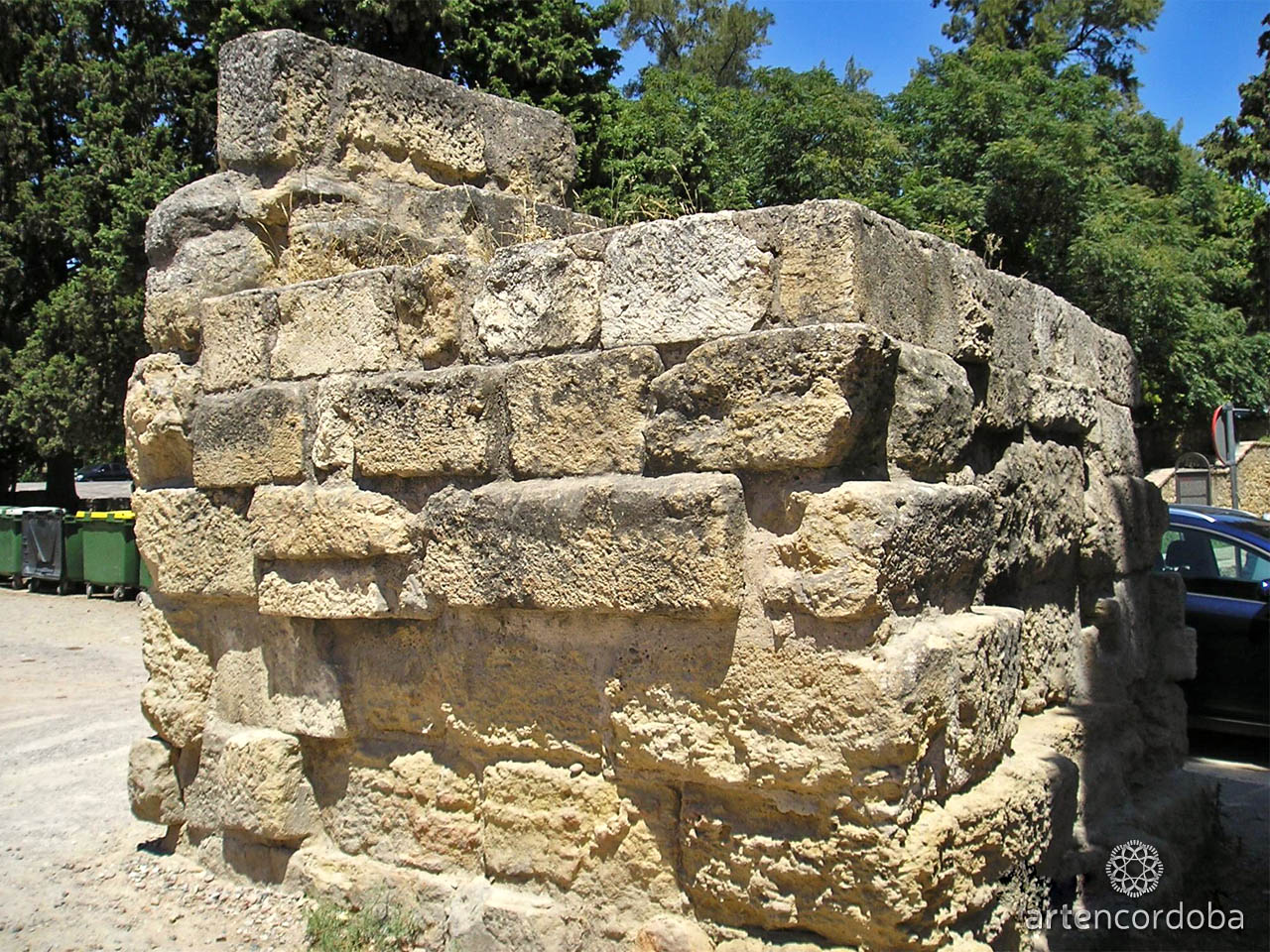
Large Tomb on the Old Almodóvar Road
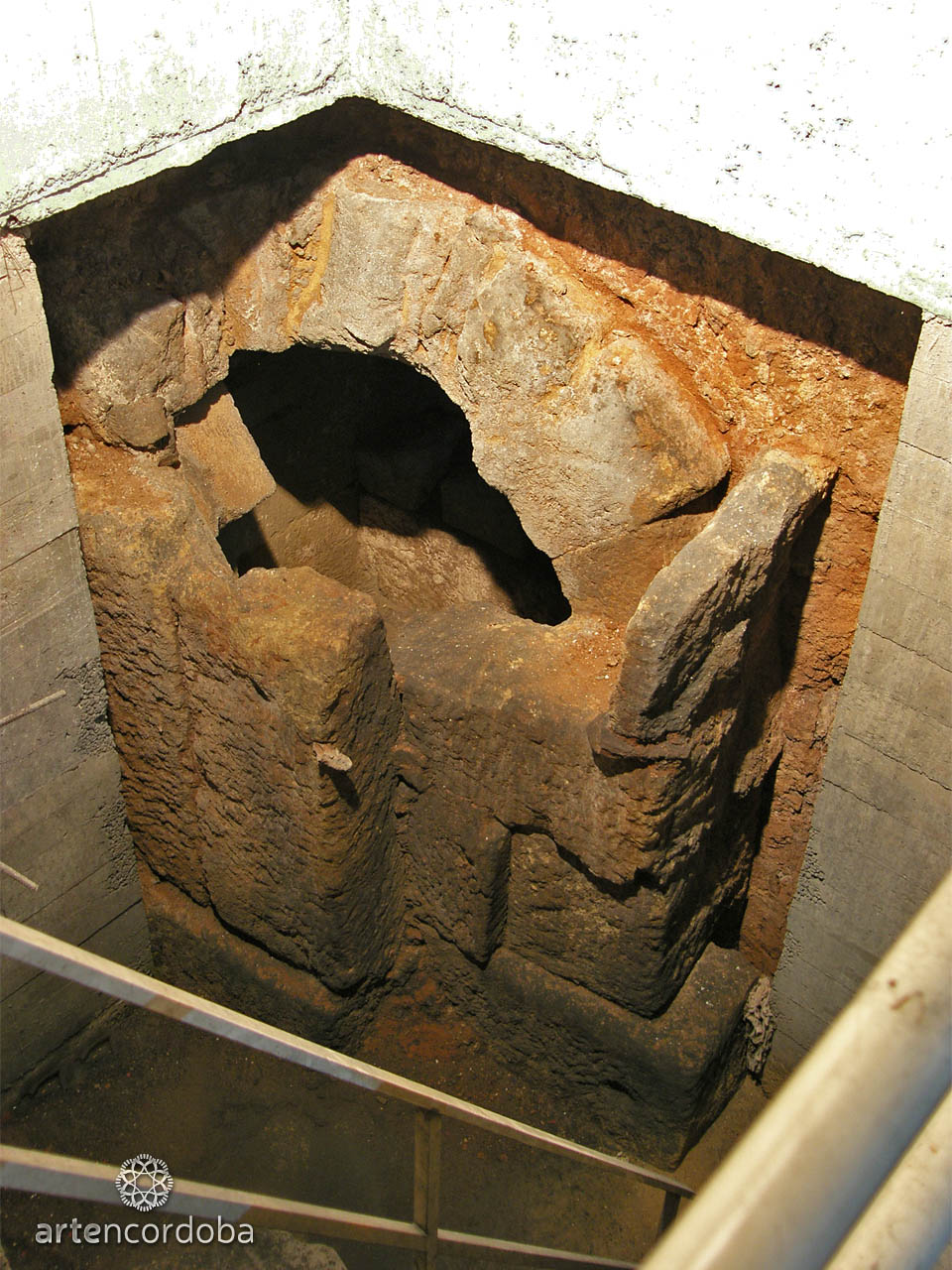
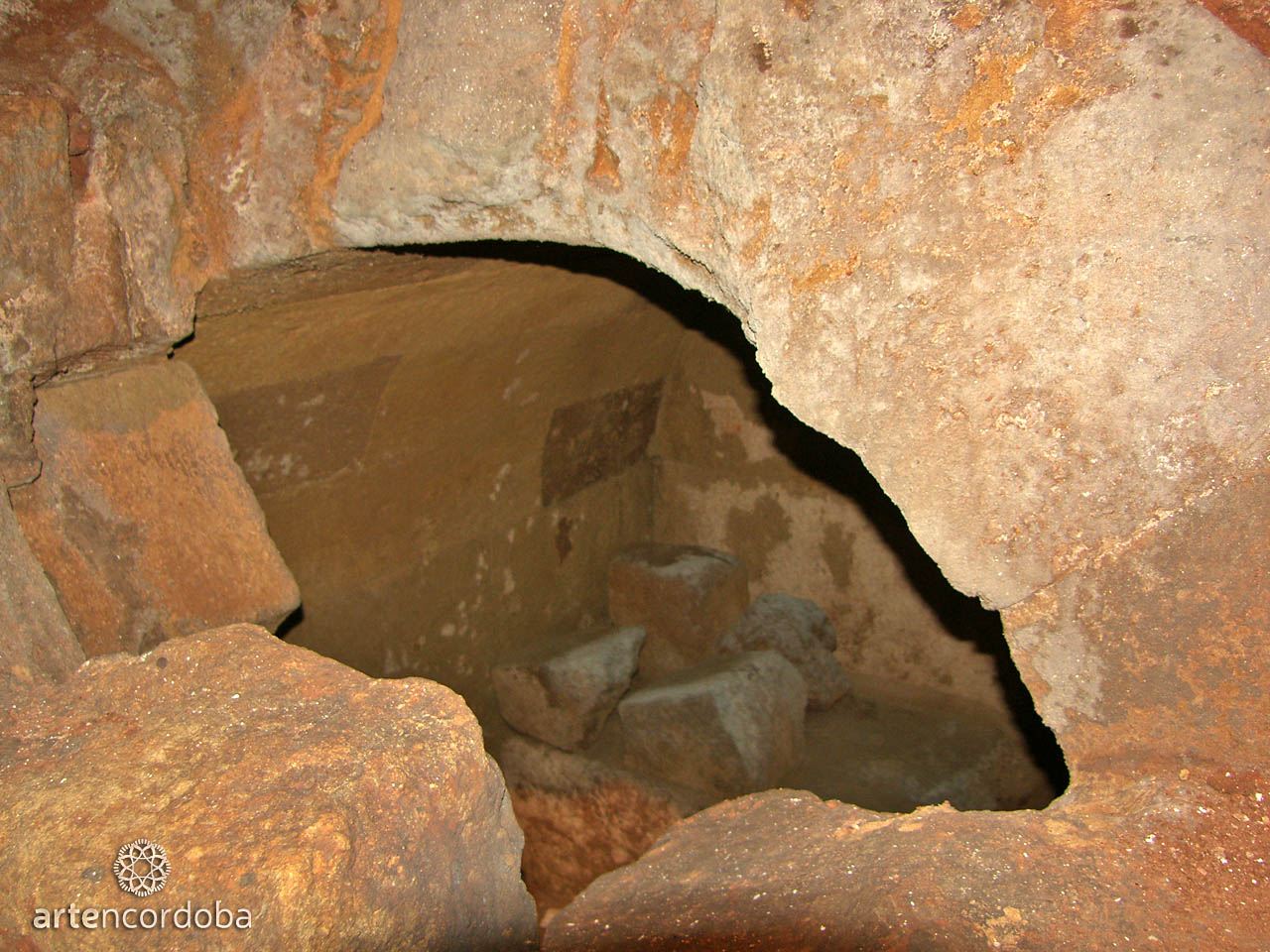
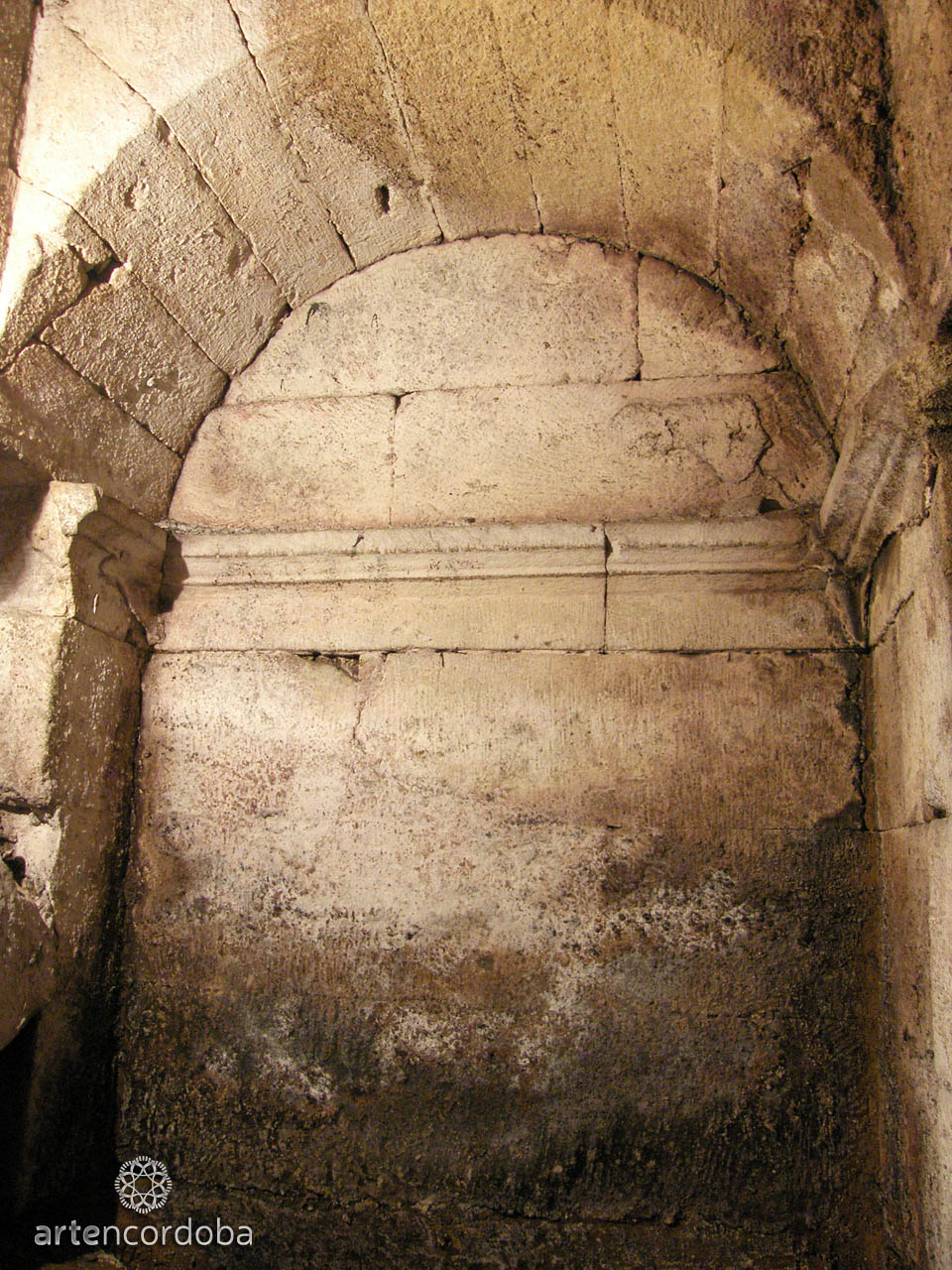
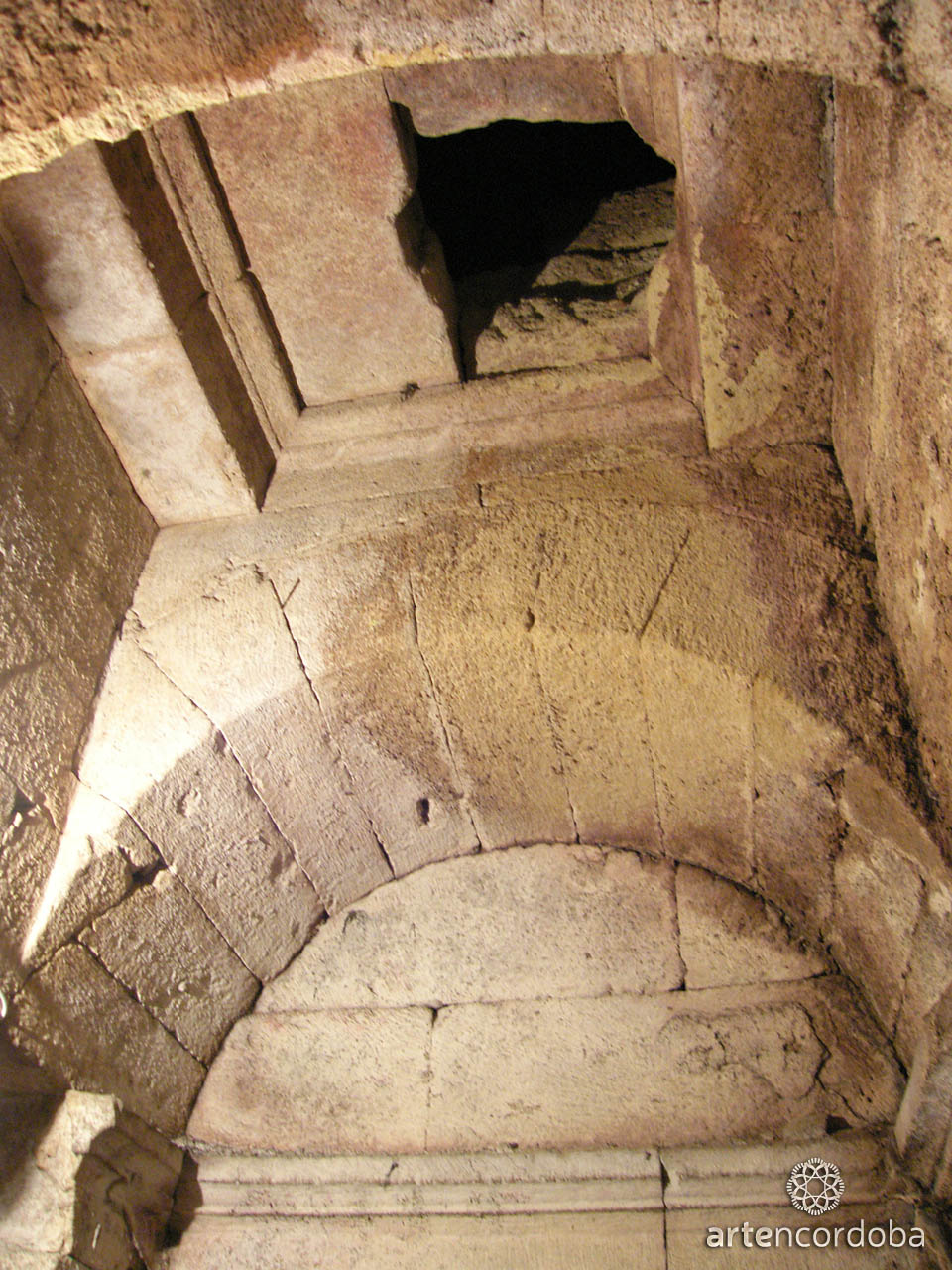
One of the most interesting remains we have is the Large Tomb on the Old Almodóvar Road. Discovered by archaeologist Enrique Romero de Torres, father of Julio Romero de Torres, in the 1930s, it was part of a funerary road characterized by the architectural richness of its tombs. It is a chamber built in opus quadratum, barely 4 meters per side, covered by a barrel vault and accessed through a semicircular arch that was probably walled up with large stone blocks at the time. It is believed that the tomb may have been topped by a monument.
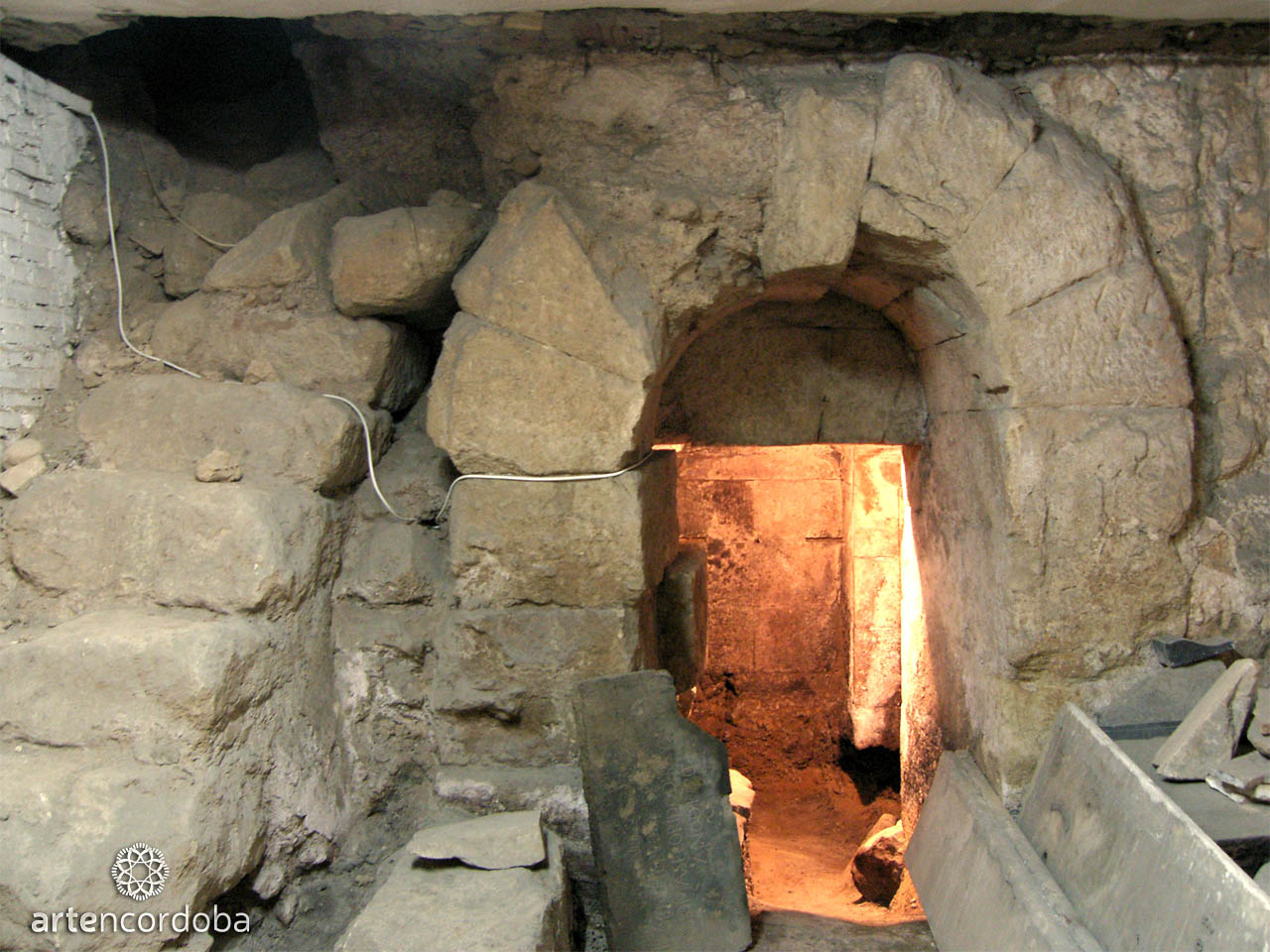
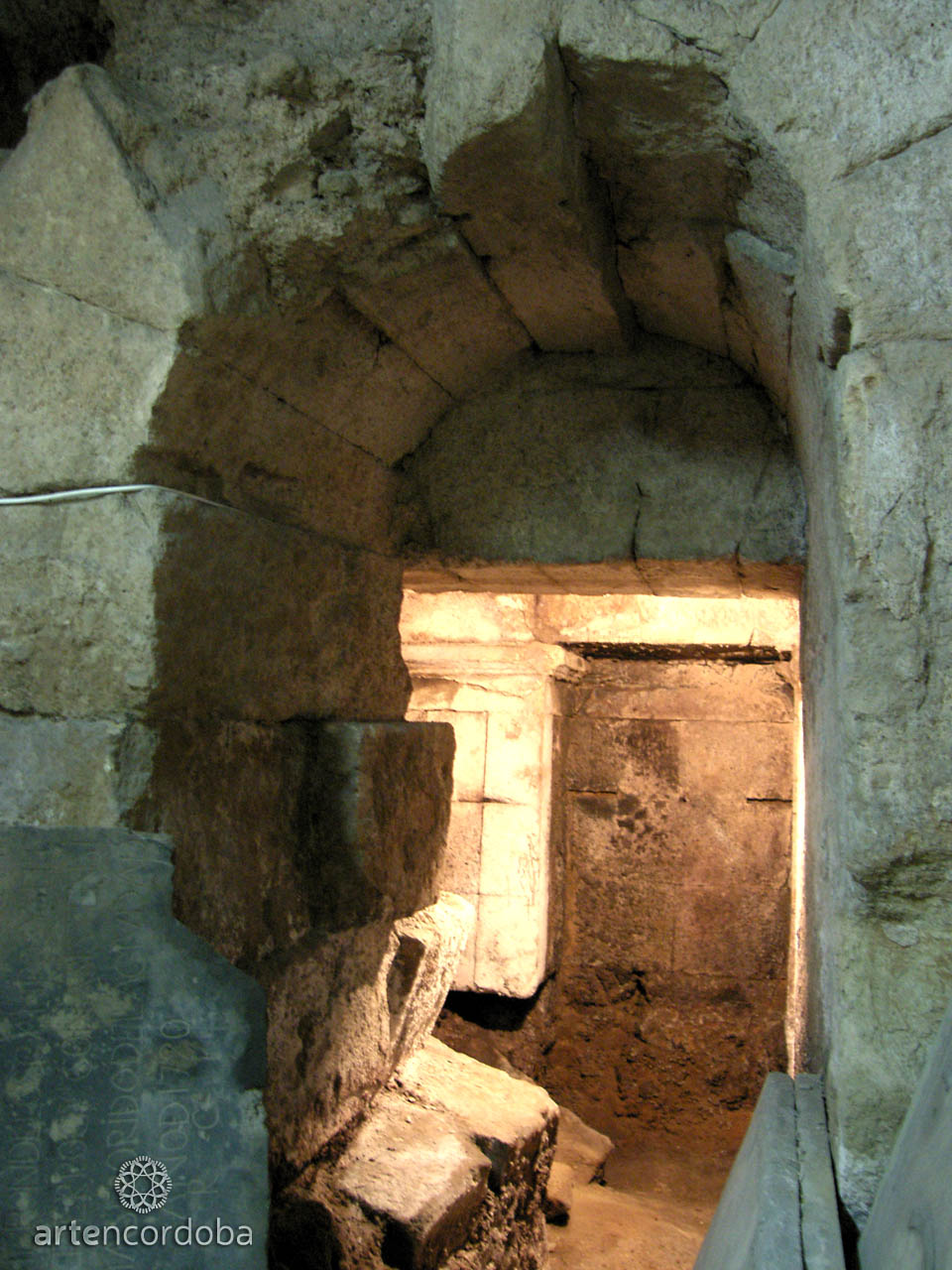
Tomb at 13 La Bodega Street
Similar in characteristics to the previous one is the Tomb at 13 La Bodega Street. Built with local stone blocks, its structure features a space covered by a barrel vault, accessed through a semicircular arch, which at the time was sealed. On the right was a small bench that housed the remains of the deceased and their corresponding grave goods, notably a cinerary urn and a bronze mirror. At the back, a small wall reserved space for an inhumation—in other words, this tomb presents two burial methods: inhumation and cremation, something common in the early years of the Empire, according to archaeologists.
Monumental Tomb of the Palacio de la Merced
The third example was found during excavations carried out during the remodeling of the Palacio de la Merced, as part of its adaptation to house the Provincial Council of Córdoba. It is the Monumental Tomb of the Palacio de la Merced, and it is believed to have belonged to Marcus Aerarius Telemachus, a freedman and physician of the Societas Aerariorum (the mining company in charge of copper extraction from Sierra Morena). Marcus Aerarius must have been a person of notable importance, as the tomb occupied a privileged location next to the North Gate of the city, on the road that connected Corduba with Emerita Augusta.
Funerary Monuments of Puerta Gallegos
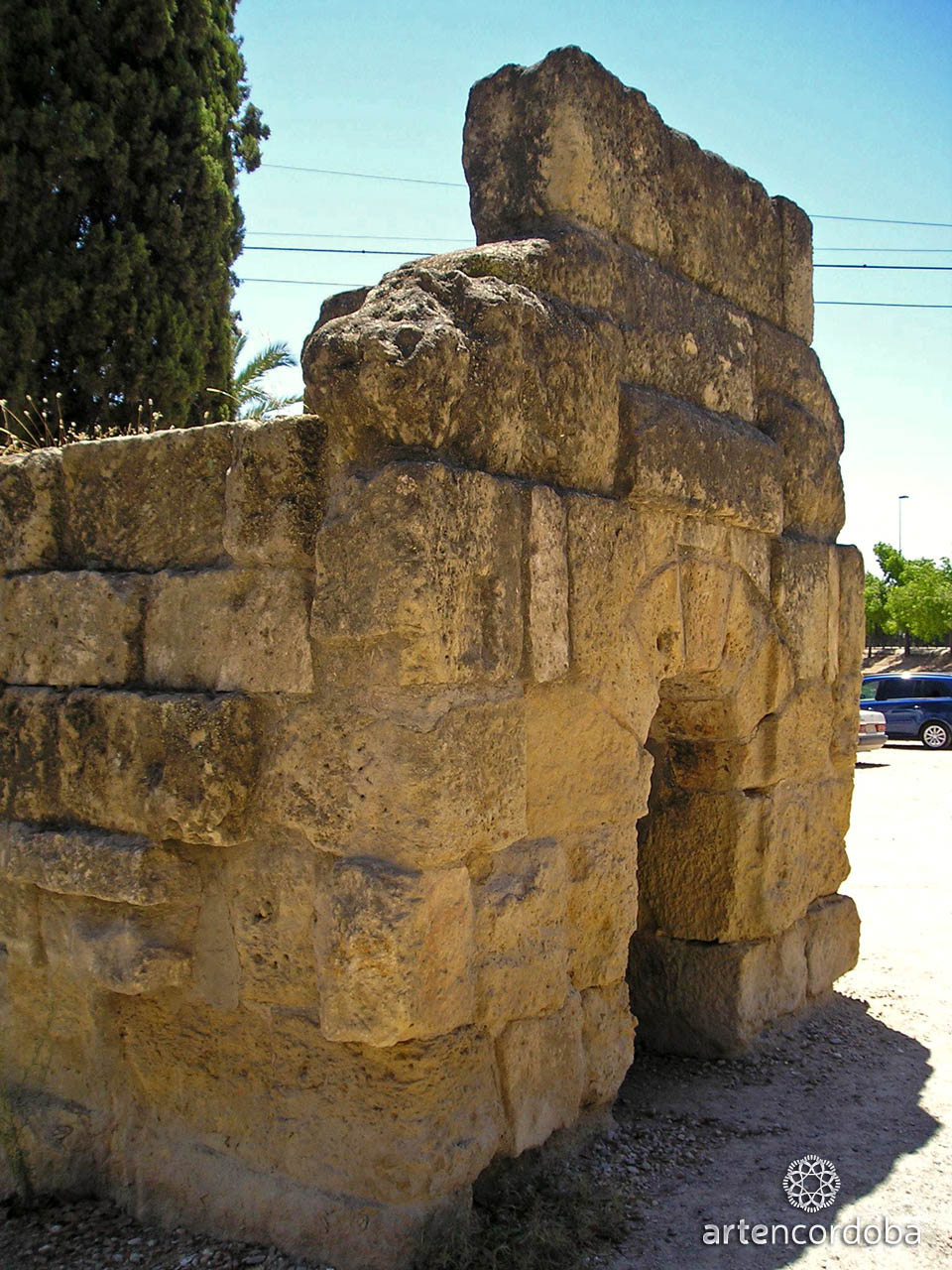
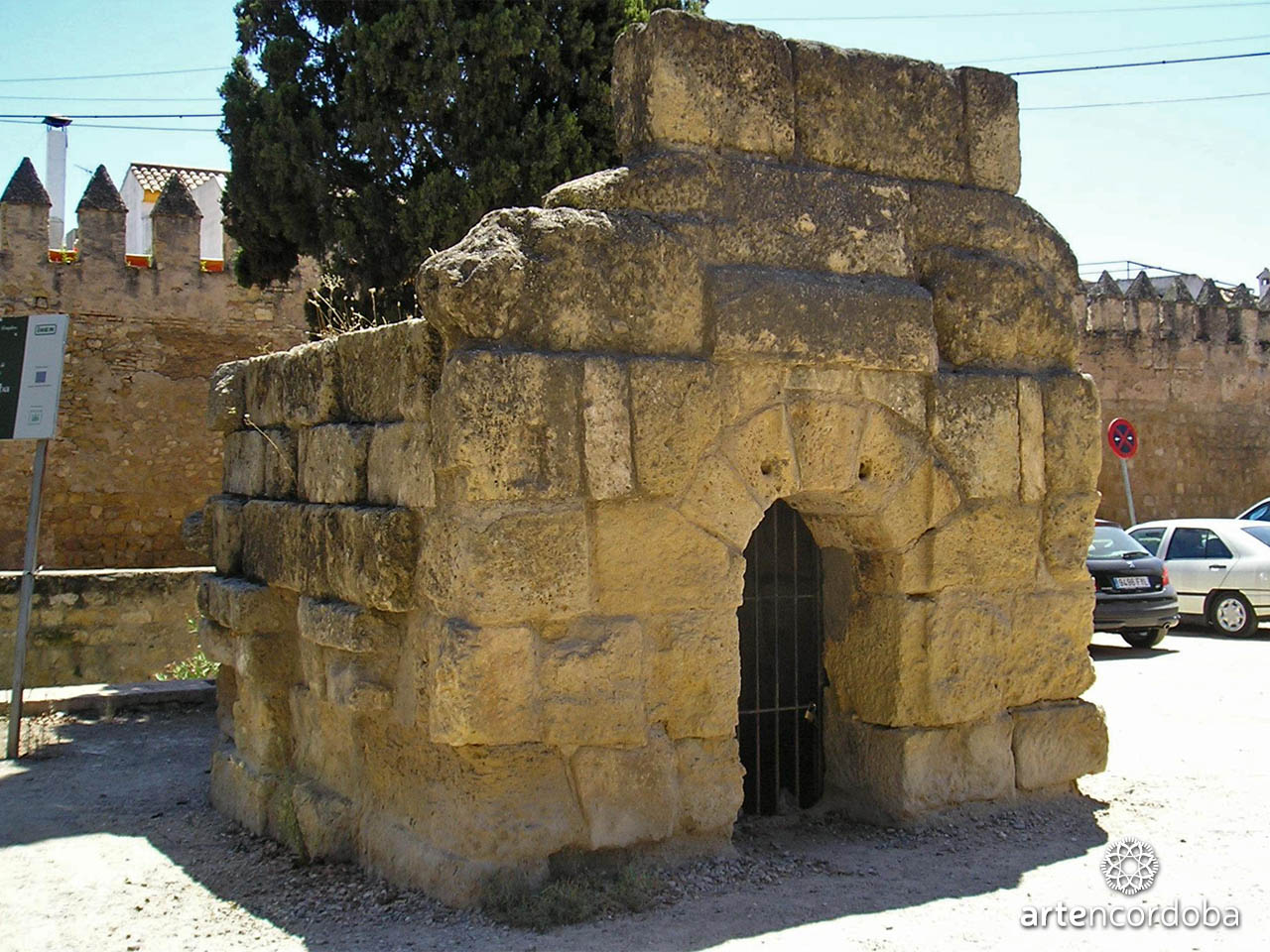
The Funerary Monuments of Puerta Gallegos are, without a doubt, the most interesting examples that have reached us, which is why we have decided to dedicate a special section to them in the part of our website devoted to “The Monuments” of this marvelous period in the history of our city.
Guided Tours
If you would like to discover Roman Cordoba, its necropolises and tombs, do not hesitate to book one of our guided tours. We are experts in the interpretation of Cordoban historical heritage. If you’ve chosen to go sightseeing in Cordoba, choose a quality option—choose ArtenCórdoba.
Text: J.A.S.C.