





Several accounts by historians Ibn Idari (13th–14th centuries) and al-Maqqari (17th century) claimed that the Muslims, after occupying Córdoba, adopted the same stance they had previously taken in Damascus (Syria) years earlier—namely, they expropriated half of the church owned by the Christians. Ibn Idari adds that this church was located in the Medina of Córdoba and was called “Shant Binyant“, which means San Vicente (Saint Vincent). However, many scholars question whether such a division actually took place. In fact, the verification of the existence of this temple led the aforementioned architect Félix Hernández Giménez to carry out an archaeological excavation beneath the Foundational Mosque of Abd al-Rahman I, conducted between 1931 and 1936.
San Vicente as Episcopal See
We must begin with the idea that San Vicente, as an Episcopal See, would have encompassed a number of important civil and religious buildings, such as the Governor’s Palace. That is why the scarce written sources refer to San Vicente not only as a building but as an architectural complex.
The Excavations Beneath the Mosque
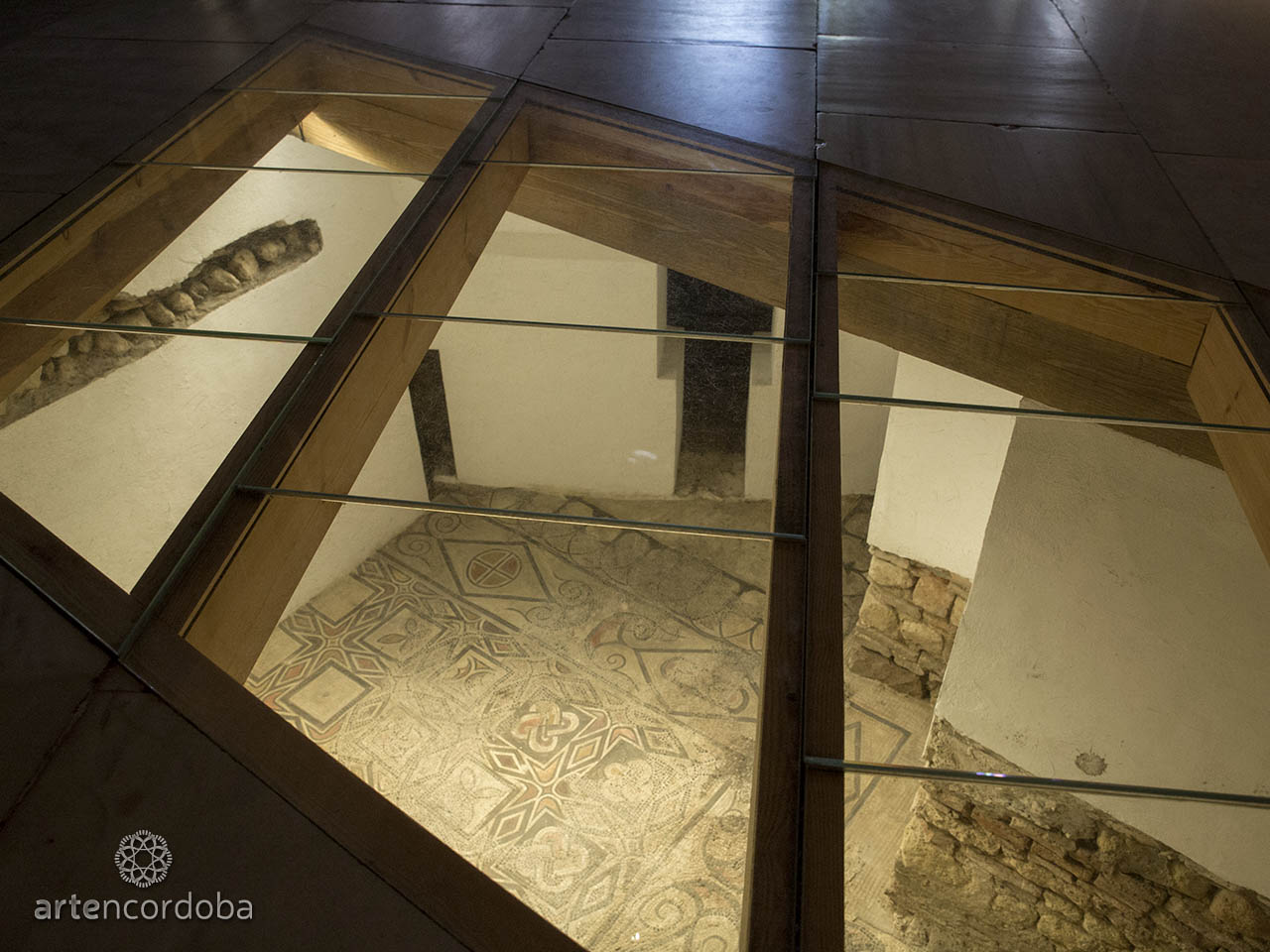
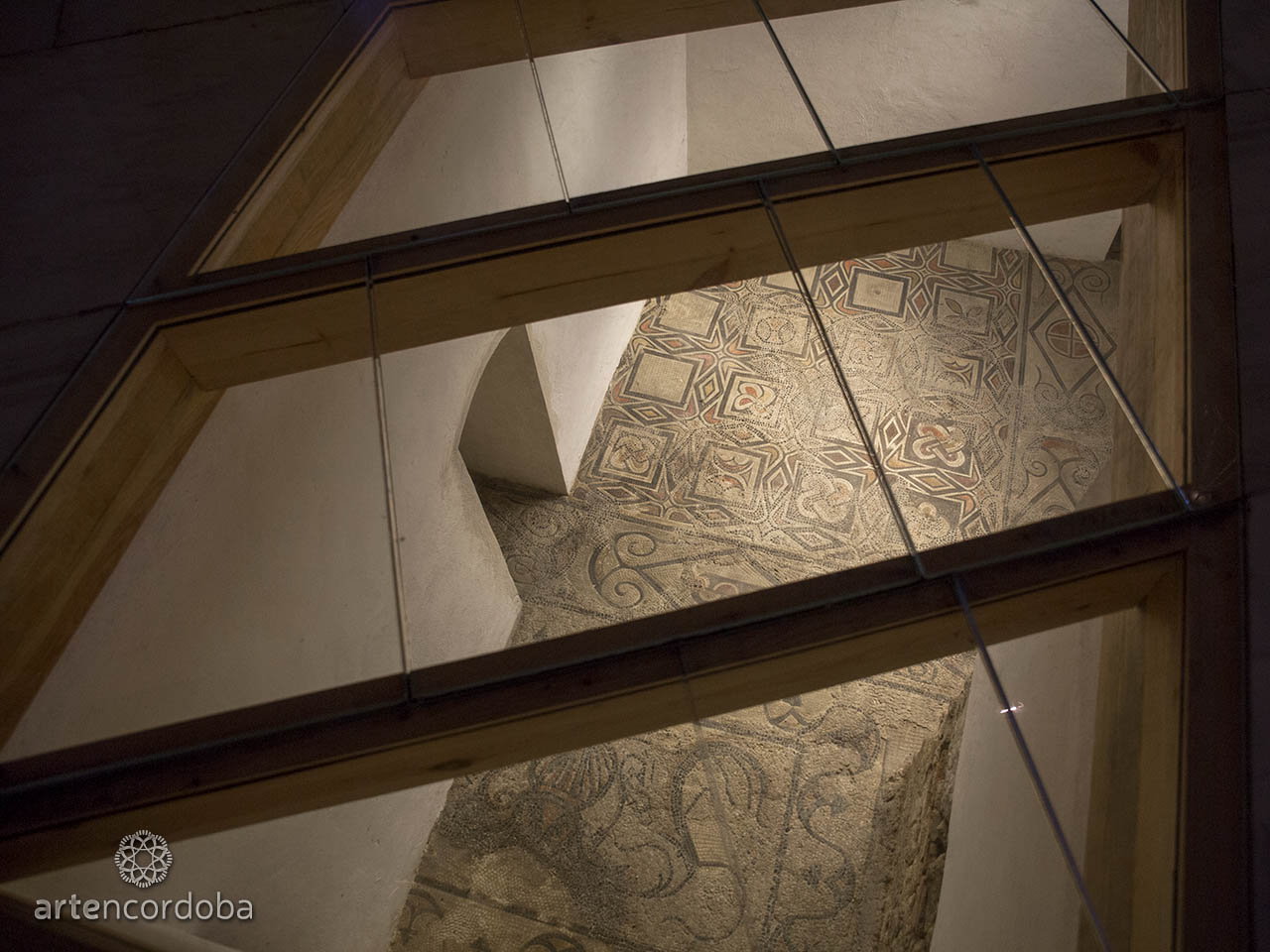
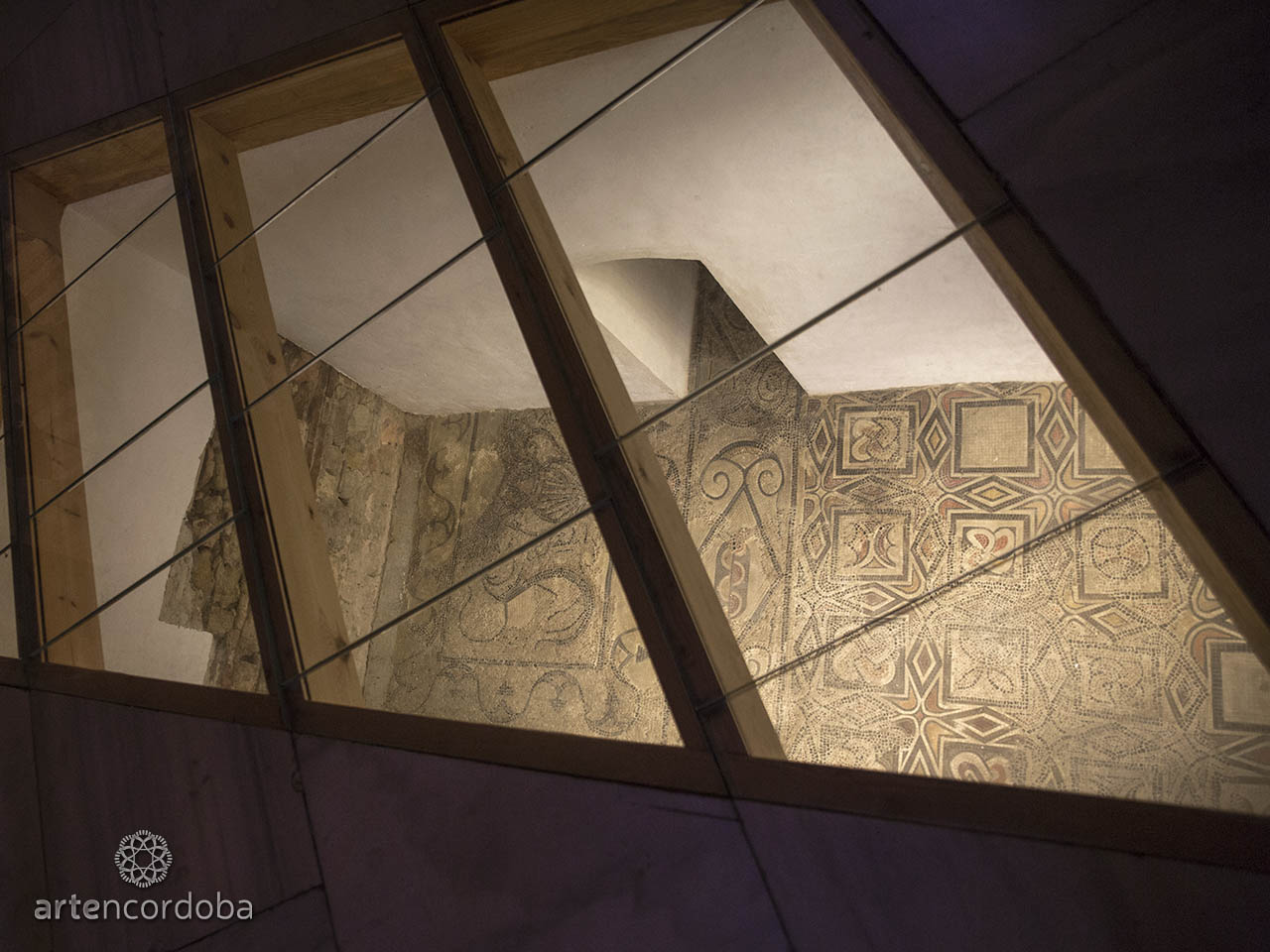
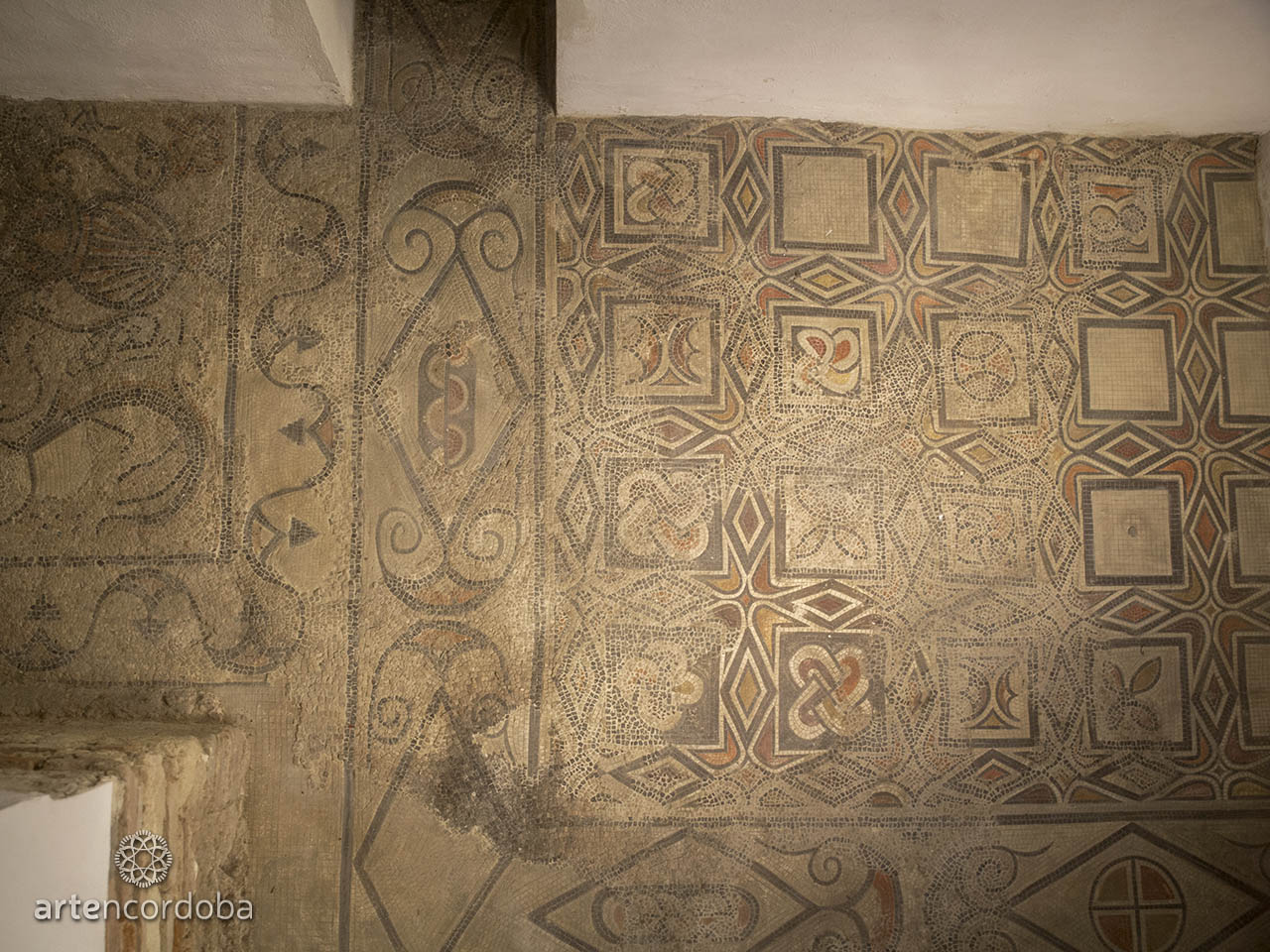
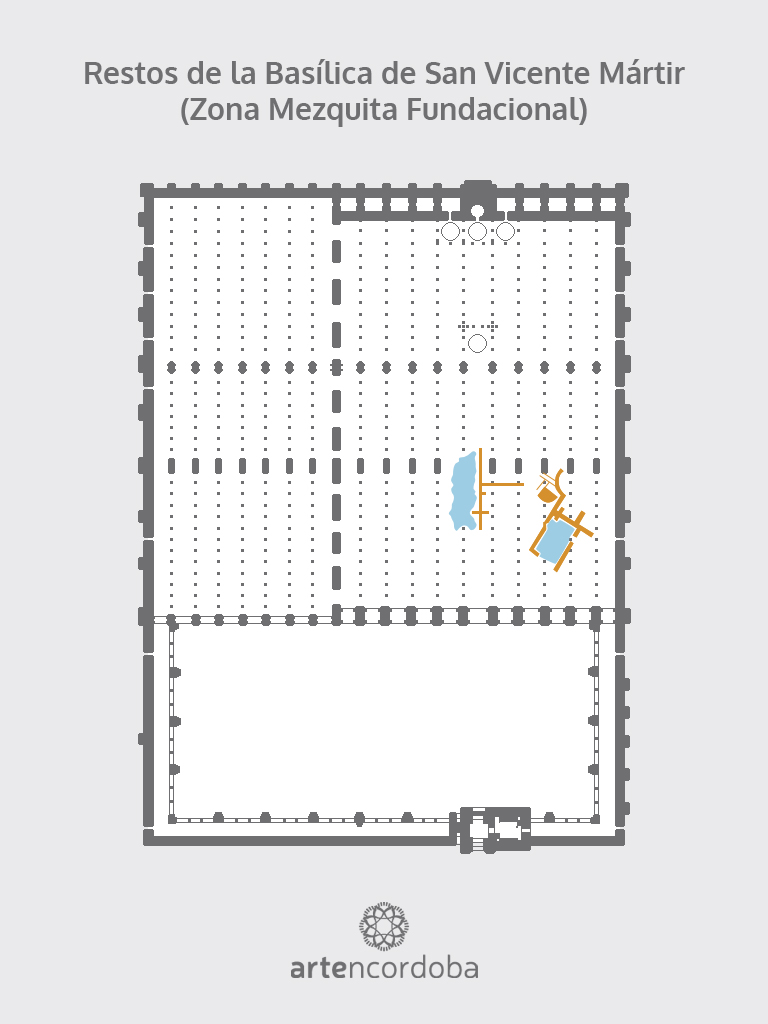
Beneath the Prayer Hall of the Primitive Mosque, Don Félix Hernández located remains of various buildings, most of them belonging to the old episcopal seat. A generalized collapse was found, likely due to the reuse of materials from these buildings in the construction of the new Great Mosque of the city.
Remains of Basilical Structures
Between the 4th and 5th aisles of the primitive Mosque, several walls were found forming rectangular spaces oriented North to South. These stood out for the massiveness of their walls and the remains of mosaics on the floor. It is believed that these structures may have belonged to a 6th-century early Christian basilica.
A bit further north, between the 2nd and 3rd aisles, and oriented Northwest–Southwest, a rectangular room was discovered that connected with the central nave of a hypothetical three-nave basilical building. On one of the walls, a small semicircular niche was found.
Further south, another structure was found, characterized by having an apsidal head about five meters in diameter. The building housed a rectangular pool, likely a water reservoir from the early Christian period, possibly used as a Christian baptismal font.
The San Vicente Museum
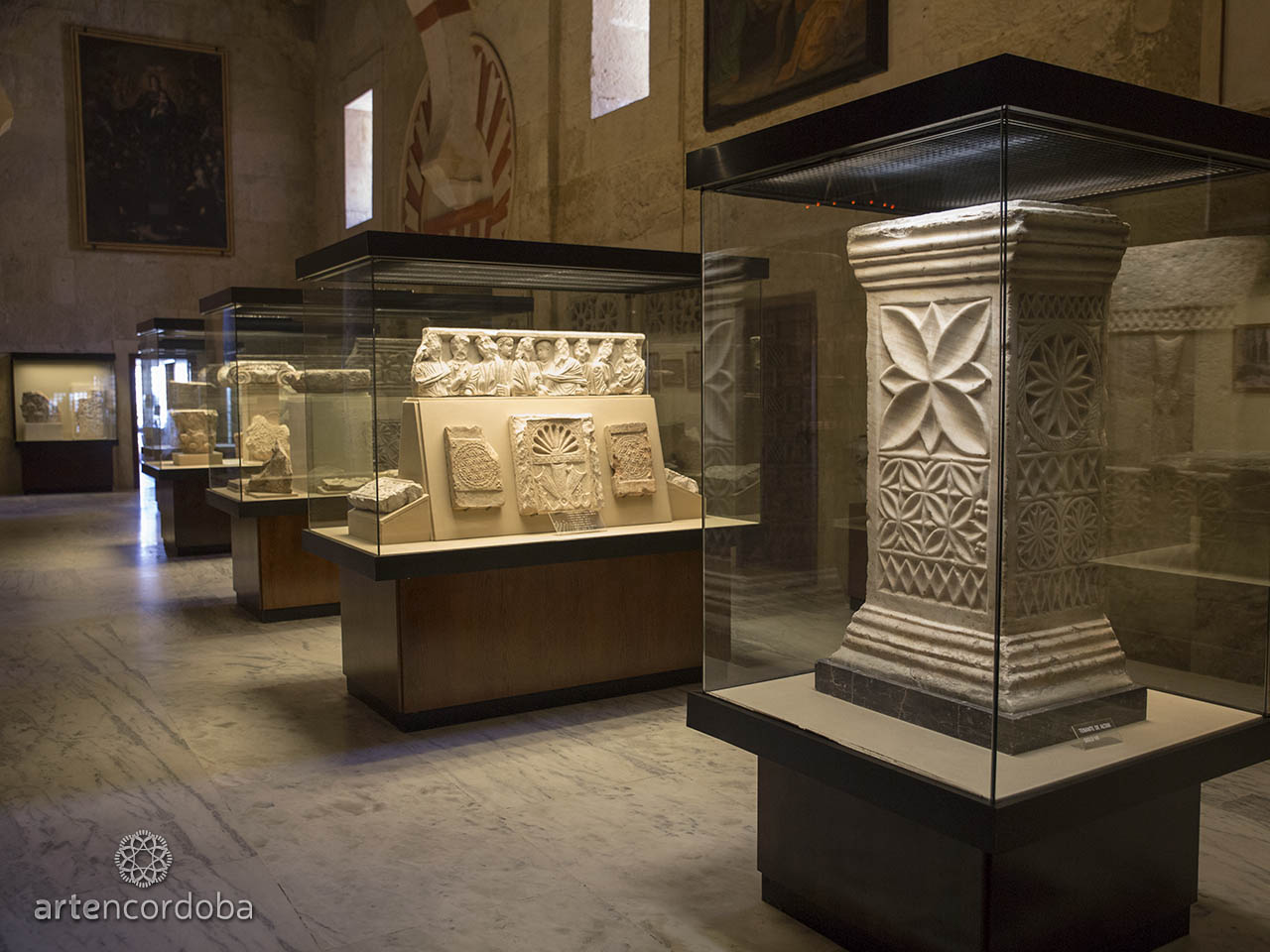
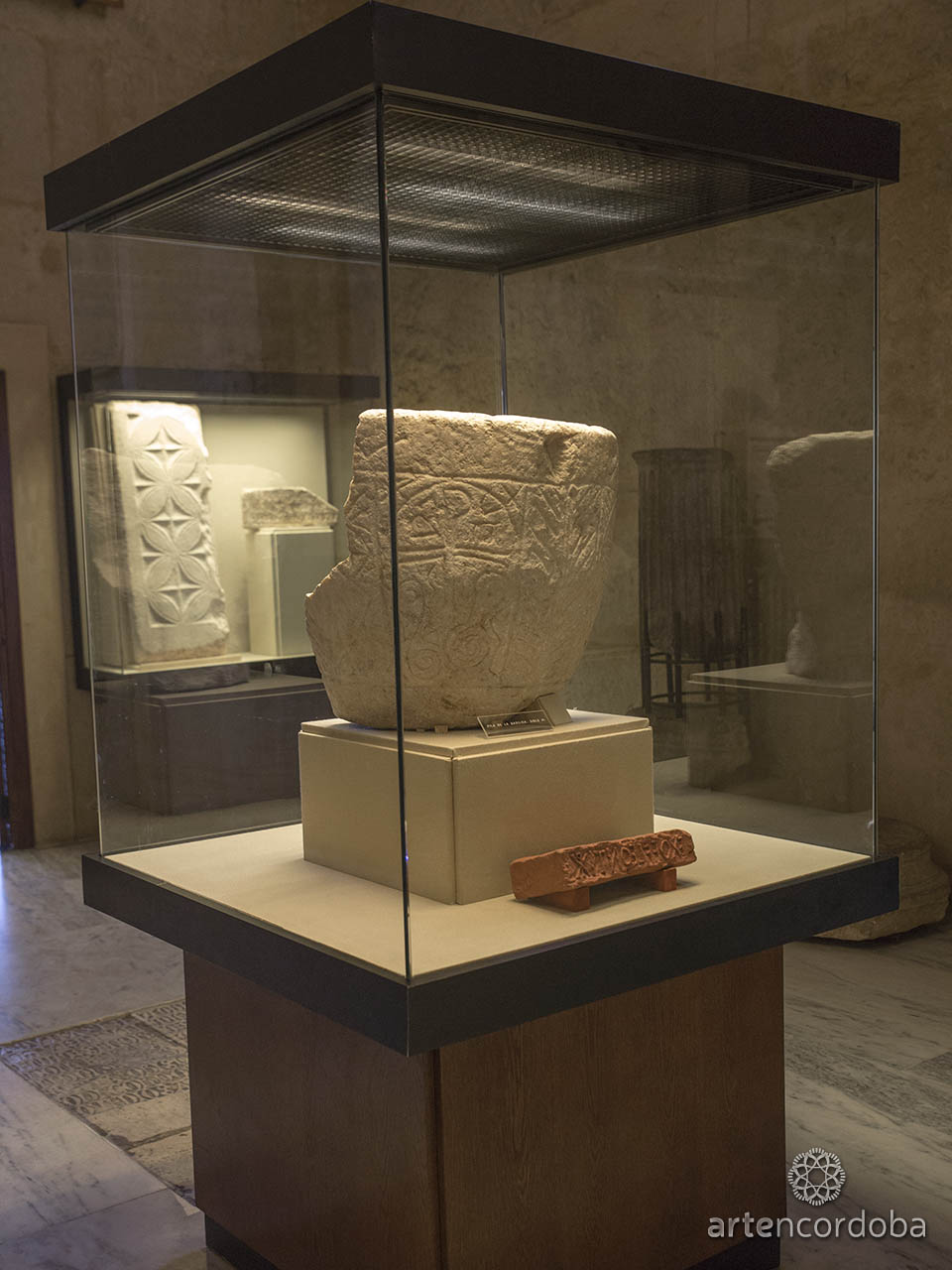
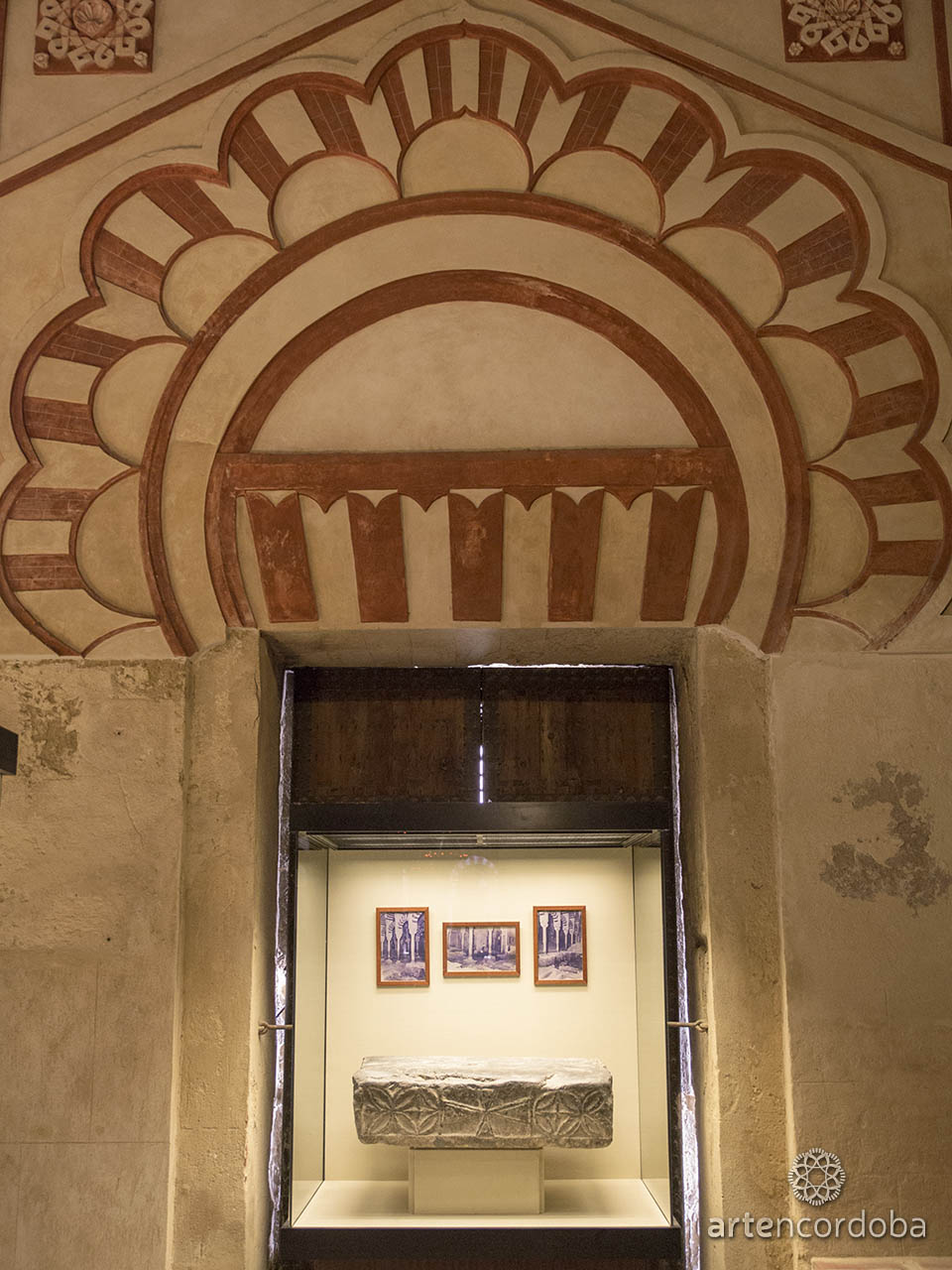
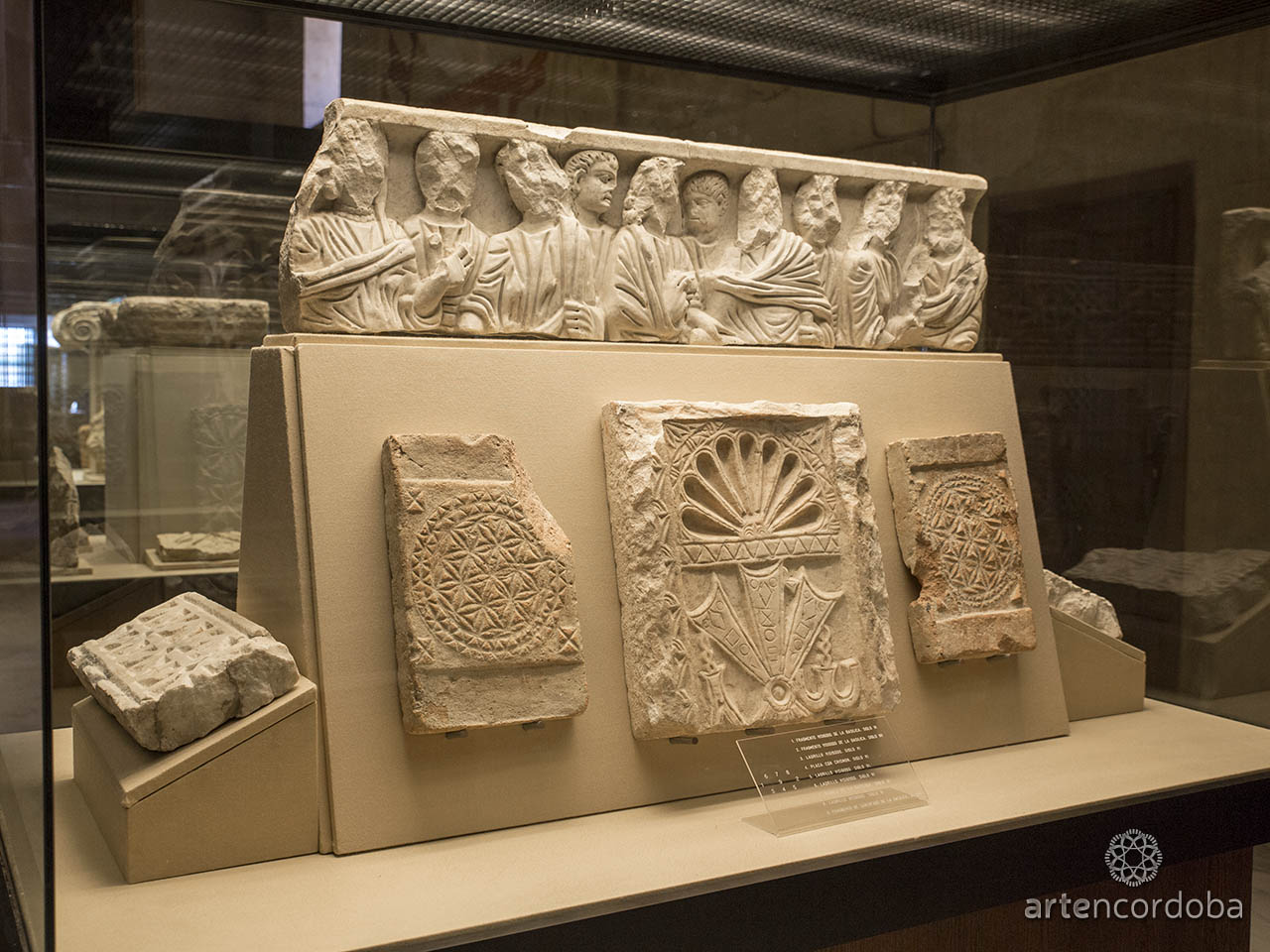
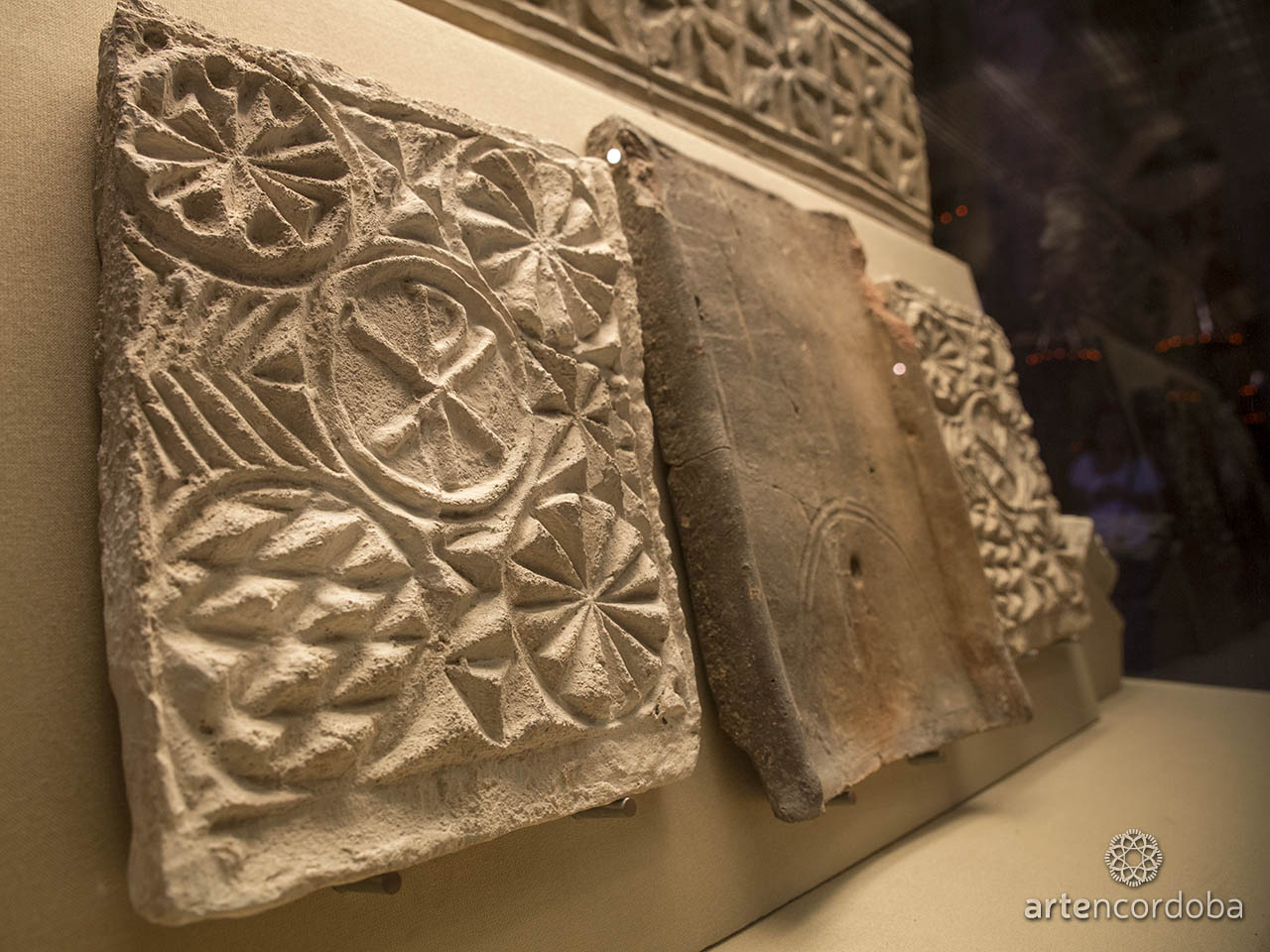
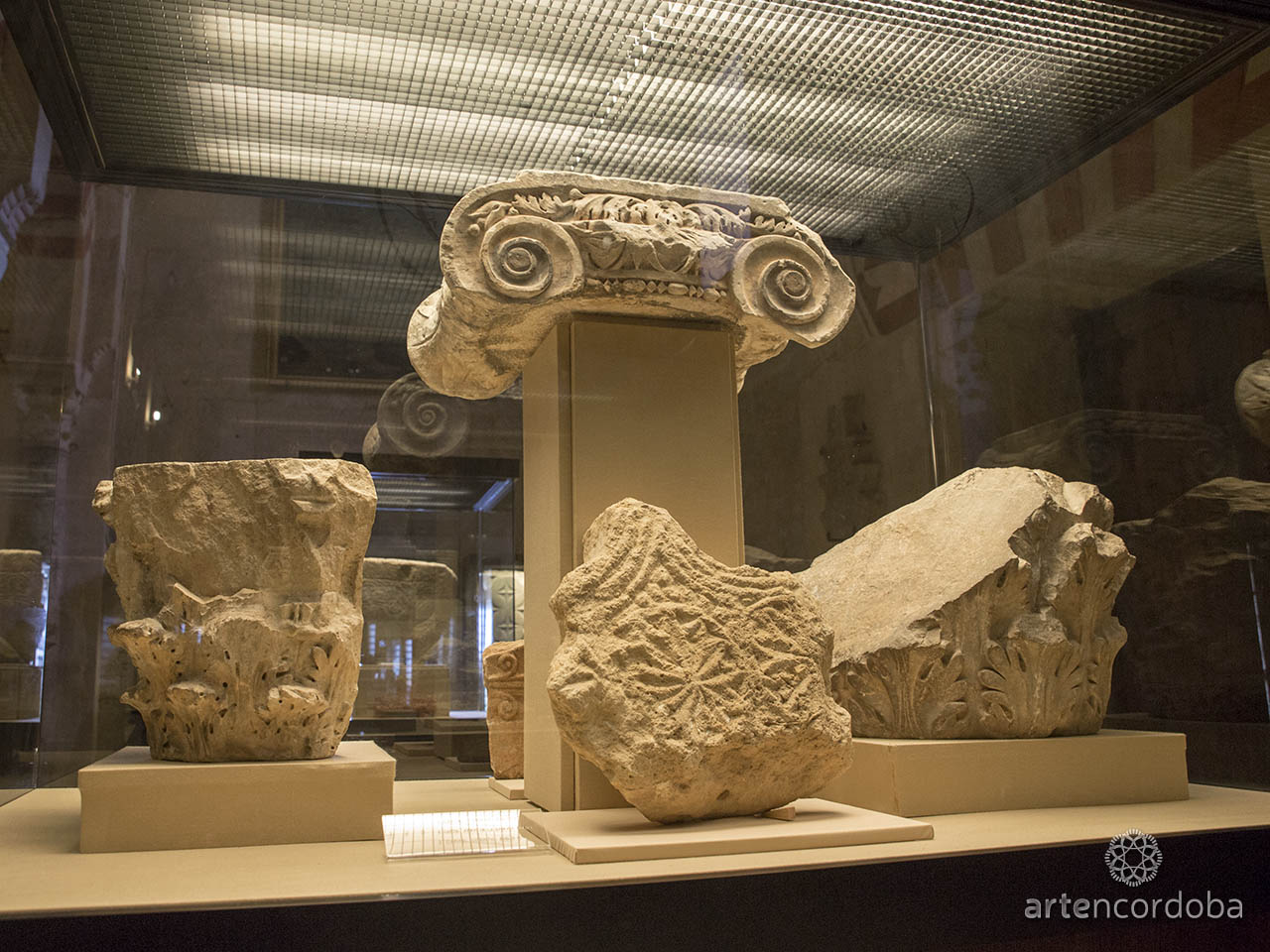
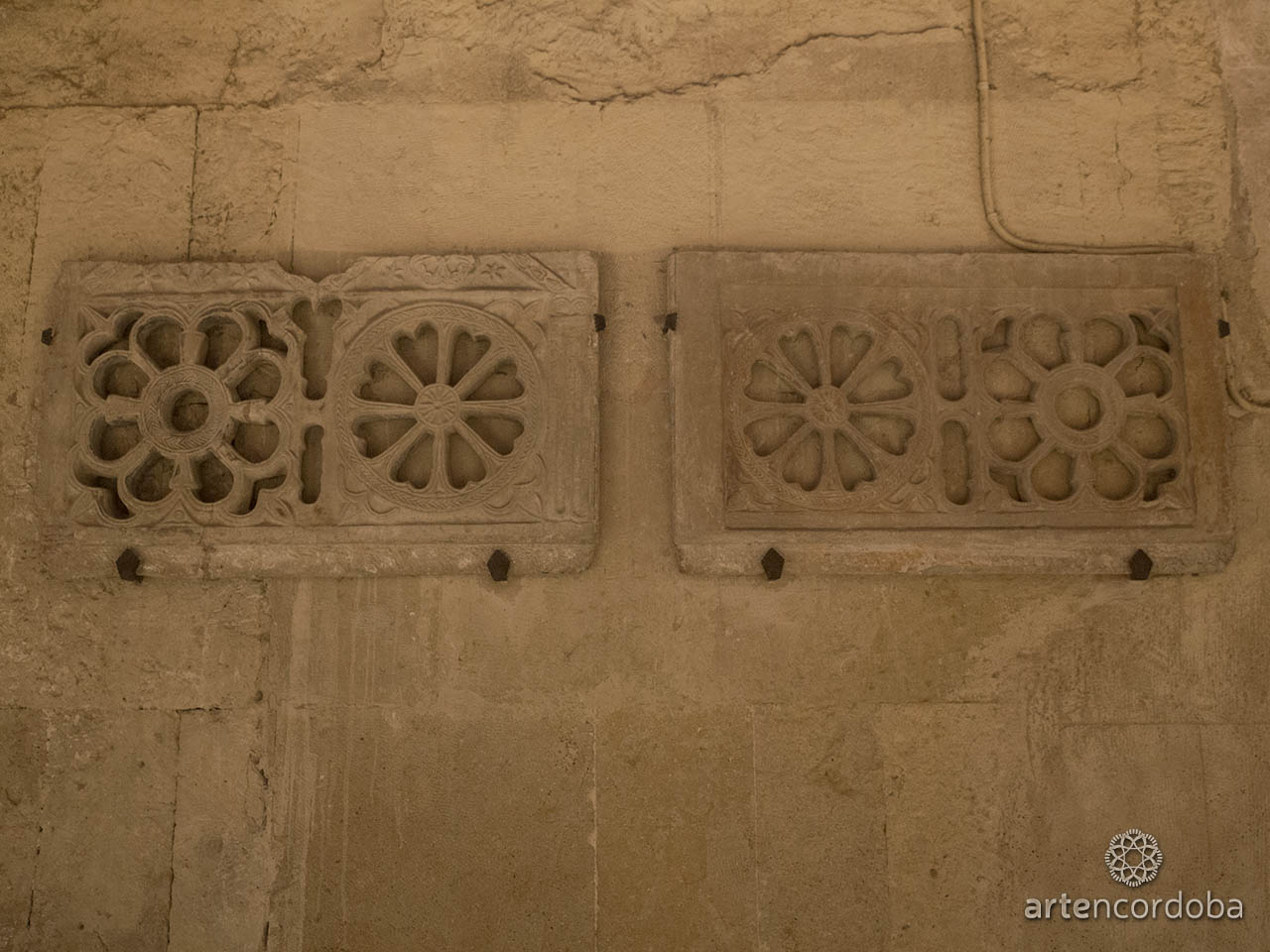
Numerous remains were unearthed in the excavation led by Don Félix, many of which are displayed in the so-called San Vicente Museum, located in the southwest corner of the Prayer Hall. A notable piece is a fragment of a “Early Christian Sarcophagus” that once supported one of the columns of the primitive Mosque. This gives us a general idea of how materials from the ancient early Christian basilica were reused—even what seemed useless was repurposed. The fragment is a sculpted frieze depicting gospel scenes and has been dated between 330 and 335 AD.
Visiting the Basilica of San Vicente
If you’re wondering what to visit in Córdoba, the best option would be the Mosque–Cathedral. This way, you could discover the former Basilica of San Vicente by choosing one of our guided tours of the Mosque–Cathedral of Córdoba. Choosing quality tourism means choosing ArtenCórdoba.
Text: J.A.S.C.