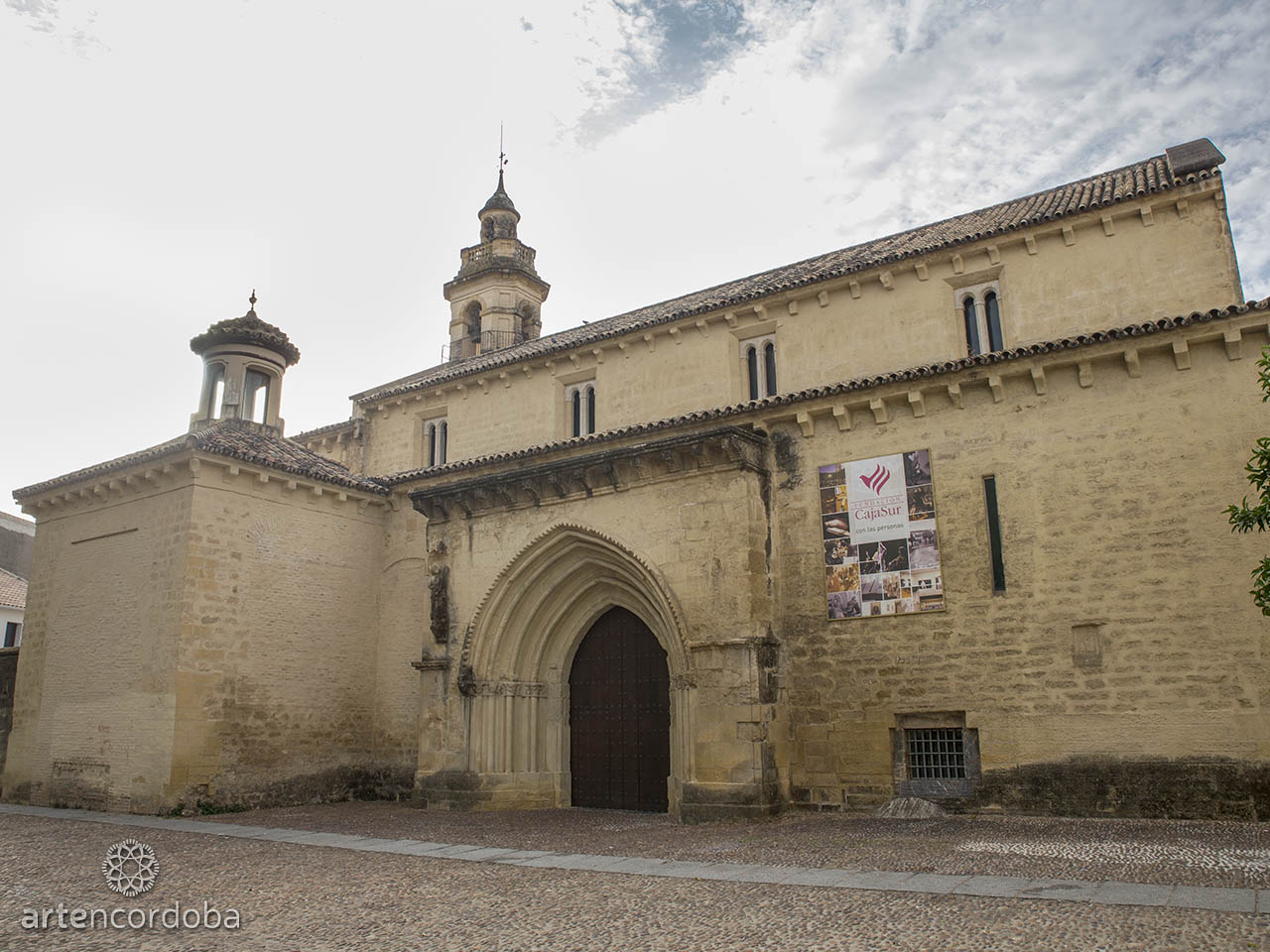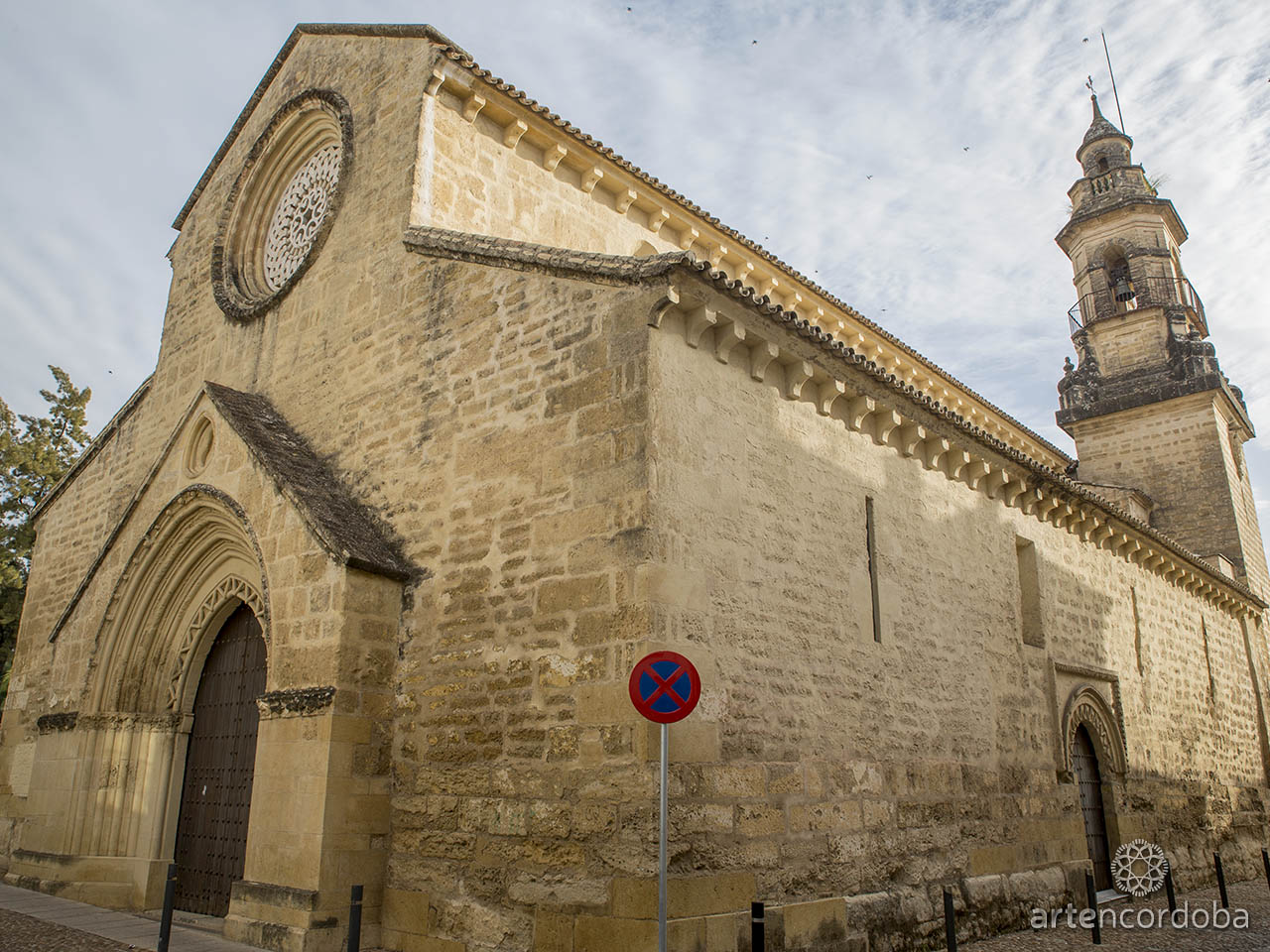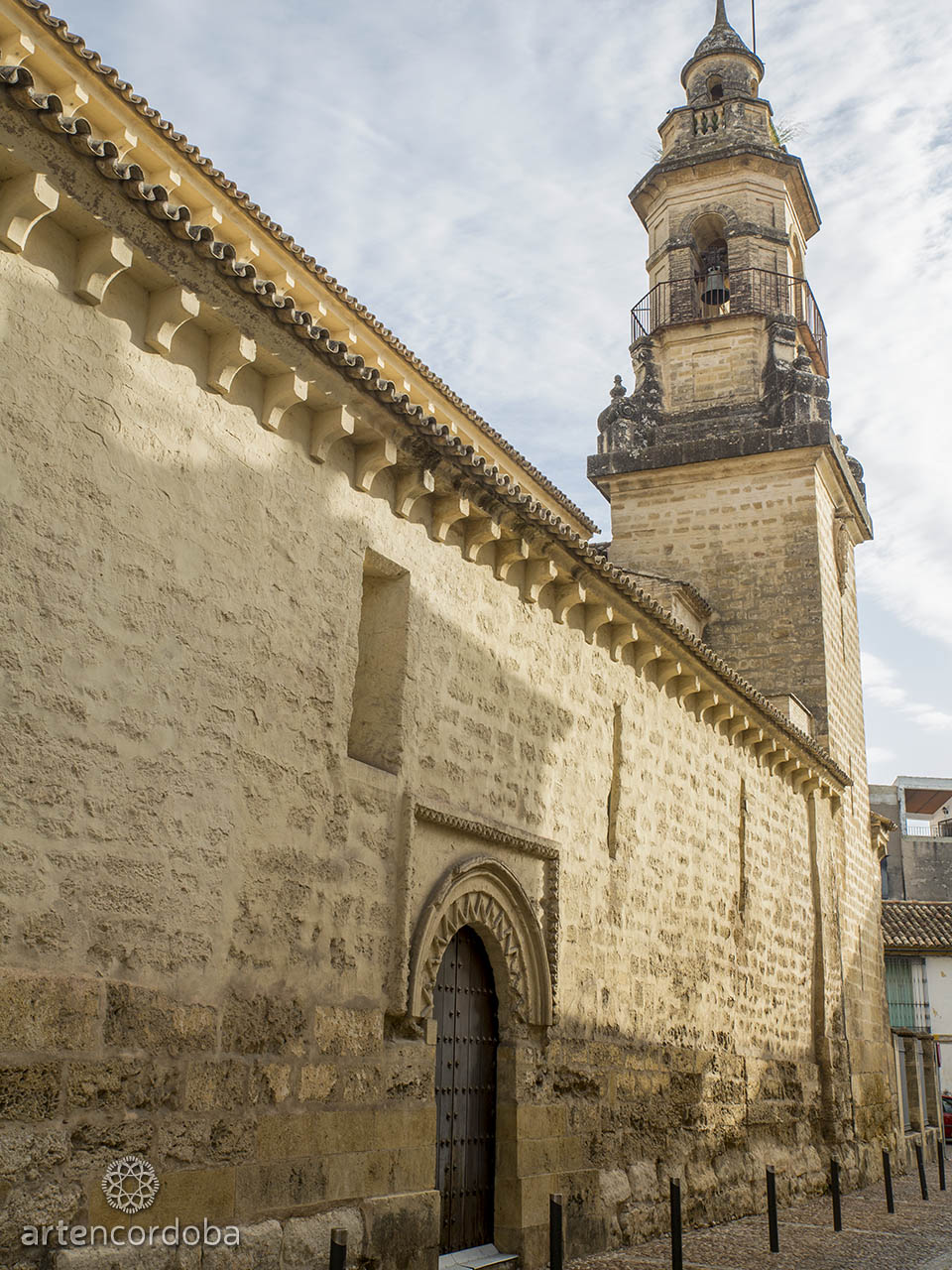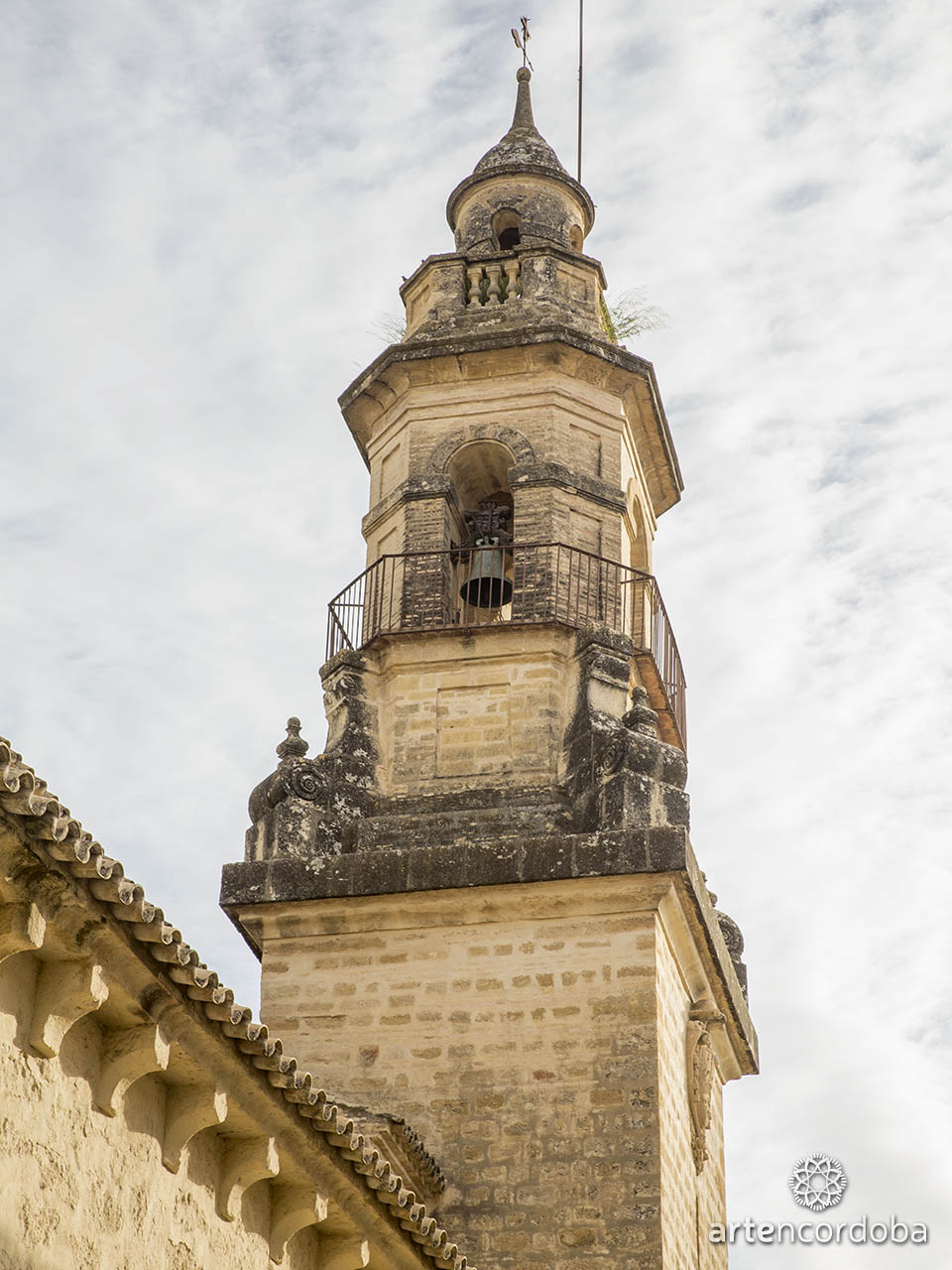






The Church of La Magdalena was one of the first temples to begin construction after the conquest of the city by Ferdinand III the Saint. Located among the neighboring districts of Santiago, San Pedro, and San Andrés, this unique parish, birthplace of distinguished citizens such as the chronicler Don Rafael Ramírez de Arellano, was characterized from the outset by its great dynamism and prosperity, where merchants’ shops blended with the houses of the highest nobility—as we can still see today in the many commemorative plaques hanging from its façades.
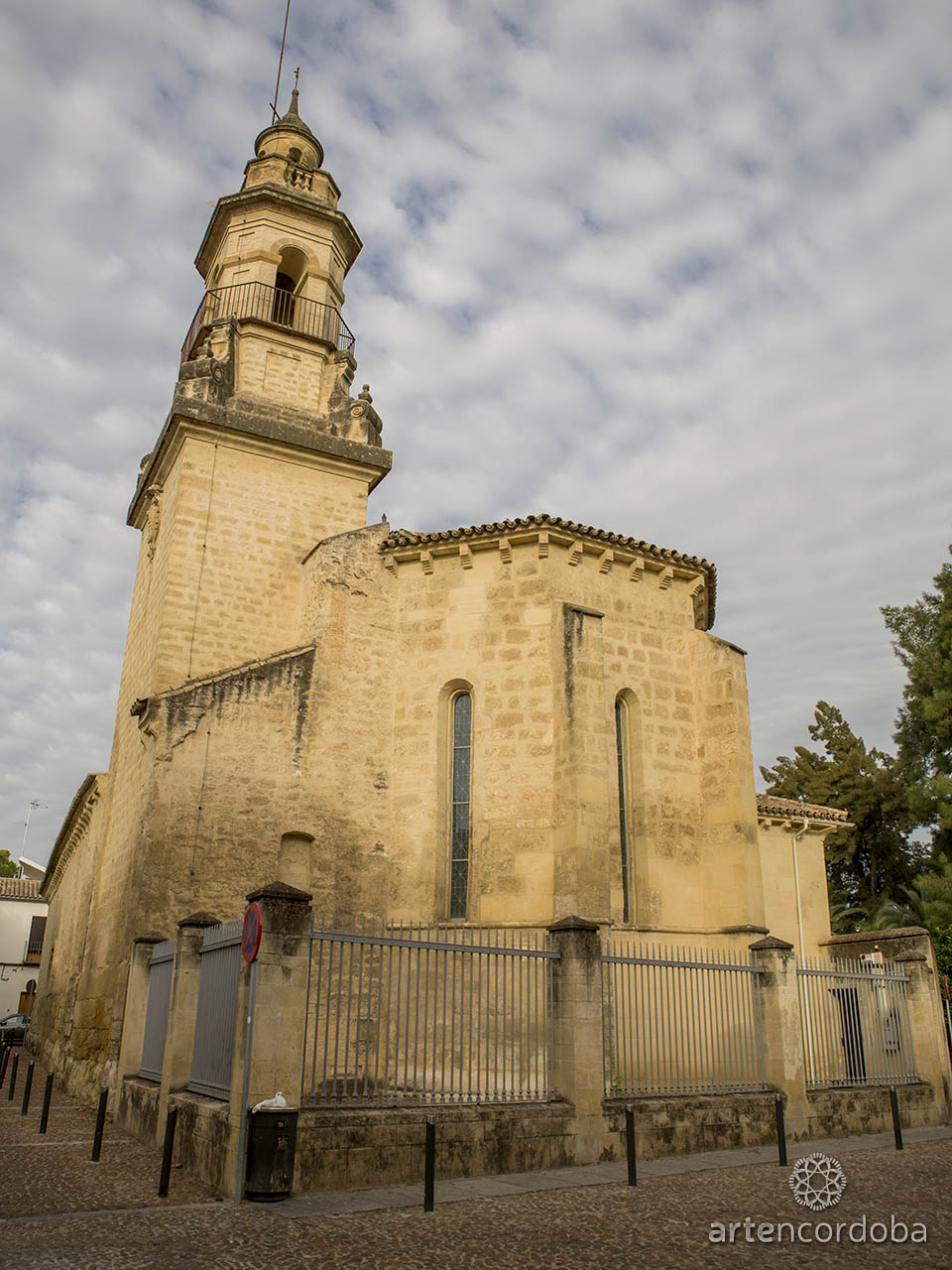
The Church of La Magdalena was one of the first Fernandine temples to be built.
The parish’s central hub was the Plaza de La Magdalena, where the church stood—and still stands—a square that today is a gardened area with benches, a fountain… a space intended for the leisure and enjoyment of the neighborhood’s residents. However, in medieval times it was used as a bullring, drawing crowds from all corners of the city.
Origins and Historical Documentation
There are very few documents that refer directly to the Church of La Magdalena, making it difficult to determine an exact date of construction. However, it is known that the works were well advanced by the late 13th century. For example, we know that Don Rodrigo Alfonso de Armenta and his wife Doña Urraca Martínez, thanks to a donation they made, were granted a chapel in the church, which later became known as the Chapel of Sorrows, located on the gospel side.
A document dated 1483 has also been preserved, in which Doña Catalina Ruiz, wife of Pedro Muñiz de Godoy, a member of Córdoba’s council, requested to be buried in a chapel of the Fernandine temple.
Transformations of the Building
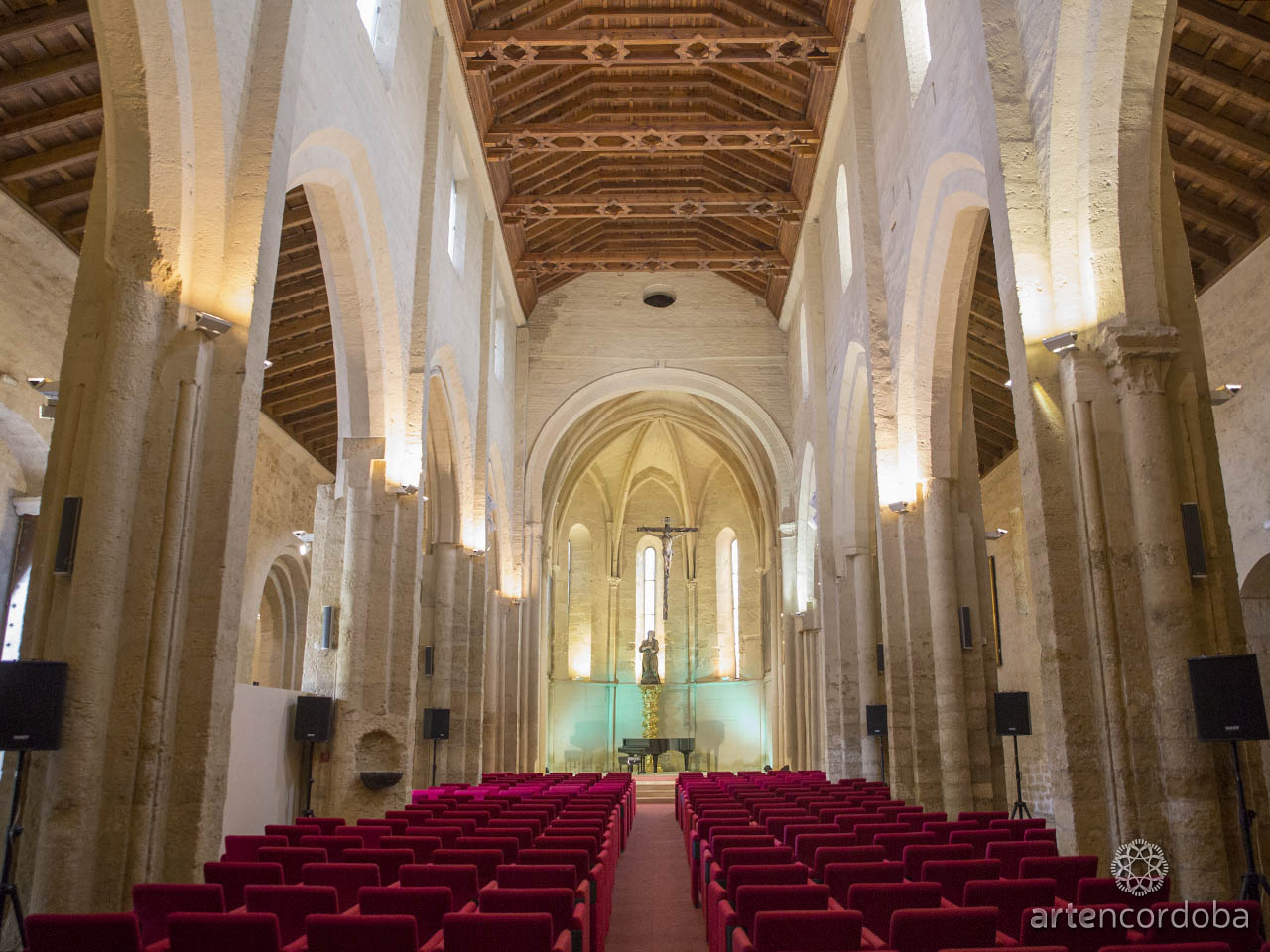
This church is no longer used for worship but hosts cultural activities.
As happened with other medieval temples in the city, the building has undergone additions and transformations over time that altered its original state. The sacristy was added in the first third of the 16th century, as well as the plaster vaults from the 18th century that for many years covered the medieval wooden ceilings, recently removed.
In the 18th century, the original tower was replaced by the current one, at which time the entrance façade of the church was blocked to accommodate the choir stalls—an operation also carried out in the central Church of San Nicolás de la Villa.
In 1990, the church suffered a major fire that nearly led to its destruction. Since then, it has no longer held religious services and has even been deconsecrated. Currently, the church is managed by the banking entity Cajasur, which organizes concerts and other cultural events.
The Parish of La Magdalena and Its Surroundings
The parish of La Magdalena occupied a large area to the east of the city, in the Ajerquía district, very close to the city wall, which in this section was defended by the so-called Torre de los Donceles. According to Teodomiro Ramírez de Arellano in his *Walks through Córdoba*: “… it owed its name to being guarded by the youngest members of the Christian army and later served as a prison for the sons of noble families of Córdoba who committed offenses.”
Remains of those early defensive structures can still be seen on Calle de la Escañuela. Of particular significance in this neighborhood is Calle Muñices, named after the Muñiz de Godoy family, a great lineage of knights who fought under numerous Castilian monarchs.
The Church of La Magdalena was very close to the city wall and the now-vanished Puerta Nueva.
Near the Church of La Magdalena stood the now-disappeared Puerta Nueva, a former eastern gate to the city, today commemorated by a small column. Through this gate, King Philip II entered the city in 1570.
Additionally, from one of the houses flanking the gate, a shot was fired at General Dupont as he prepared to enter the city in 1808. The failed shot sparked the great massacre that tragically took place in our city.
The Building
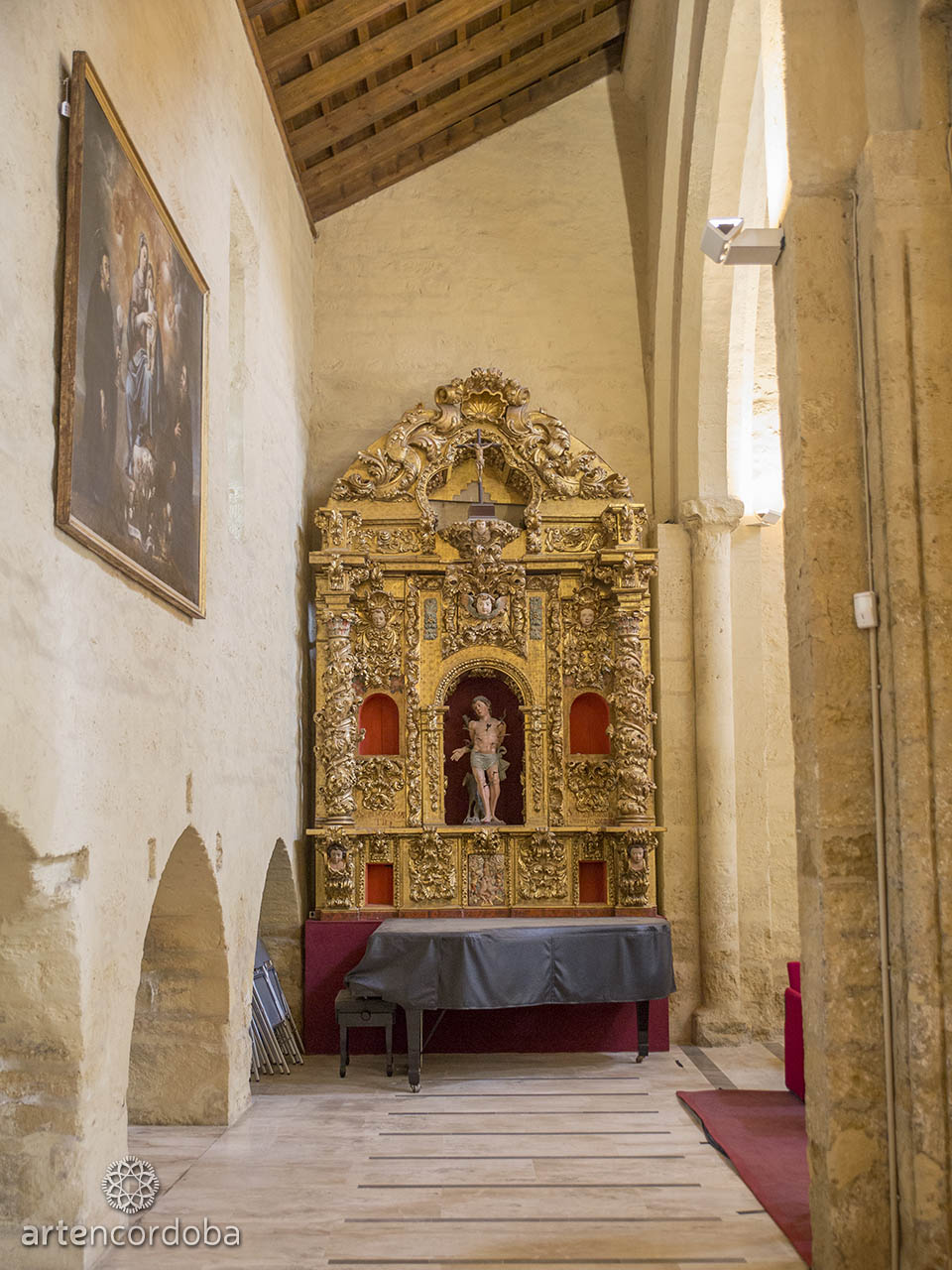
The Church of La Magdalena is no longer a place of worship. For this reason, we have chosen to briefly describe the interior and focus more on what you will be able to observe if you decide to visit the church.
The Interior of the Temple
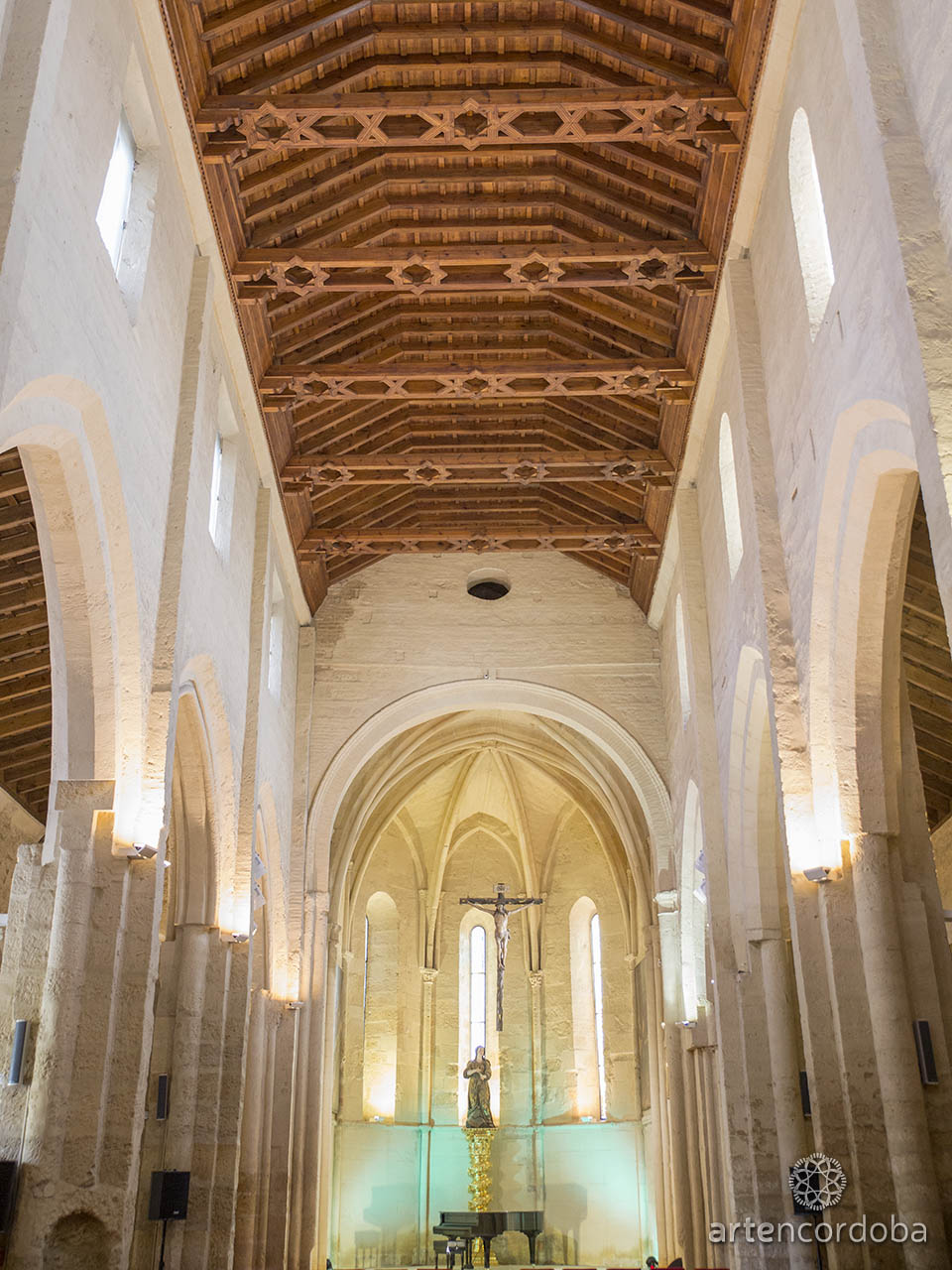
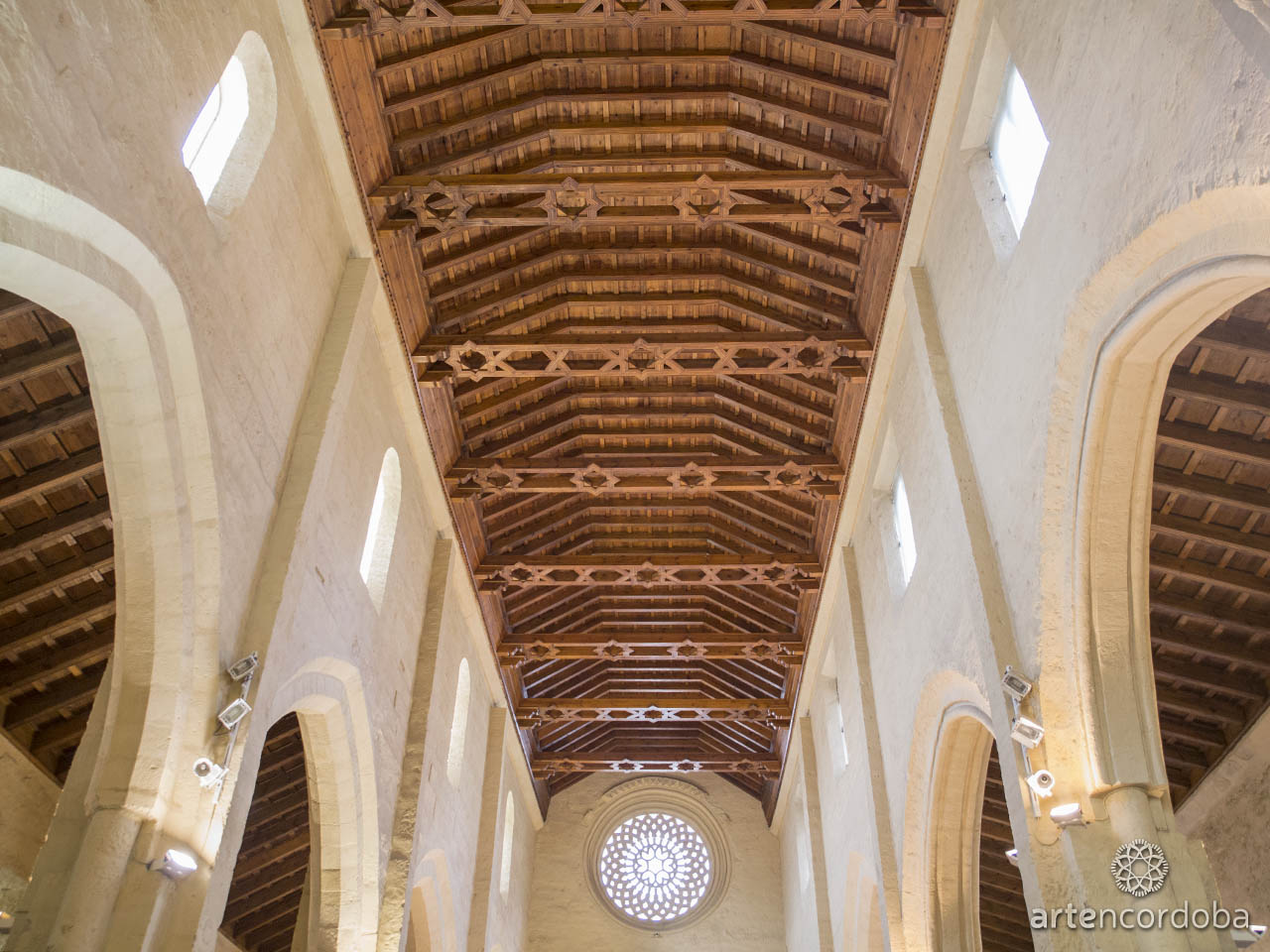
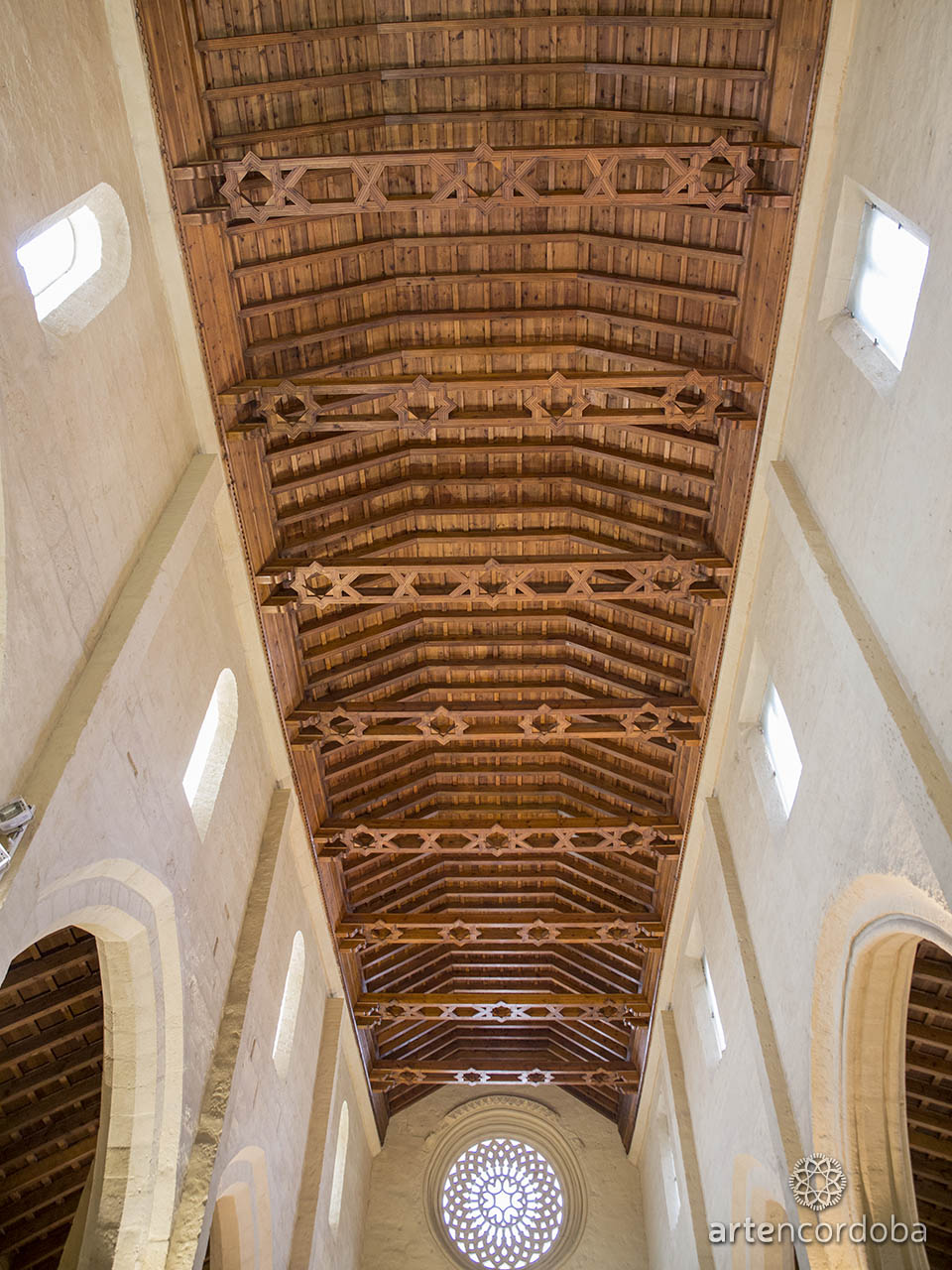
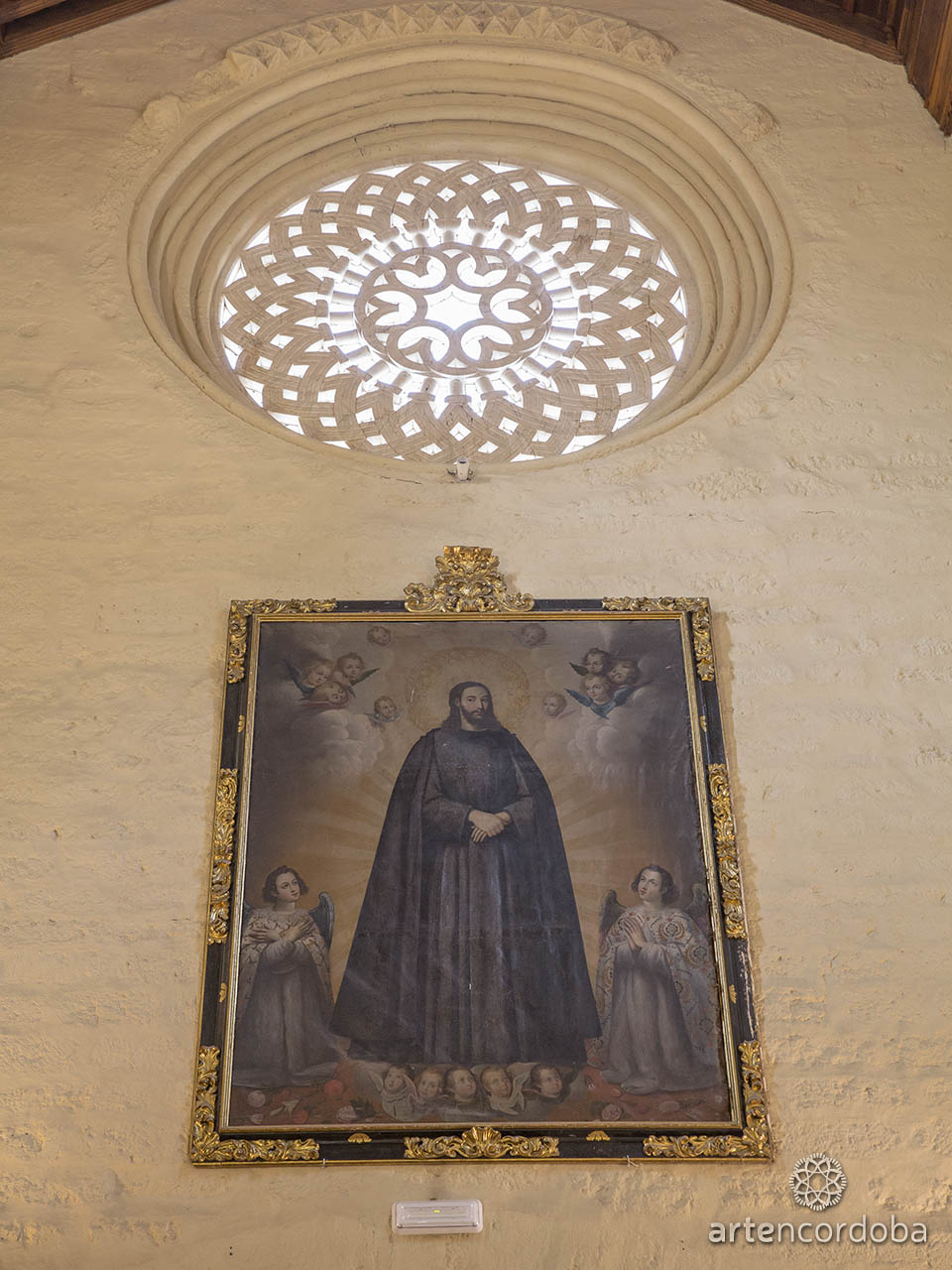
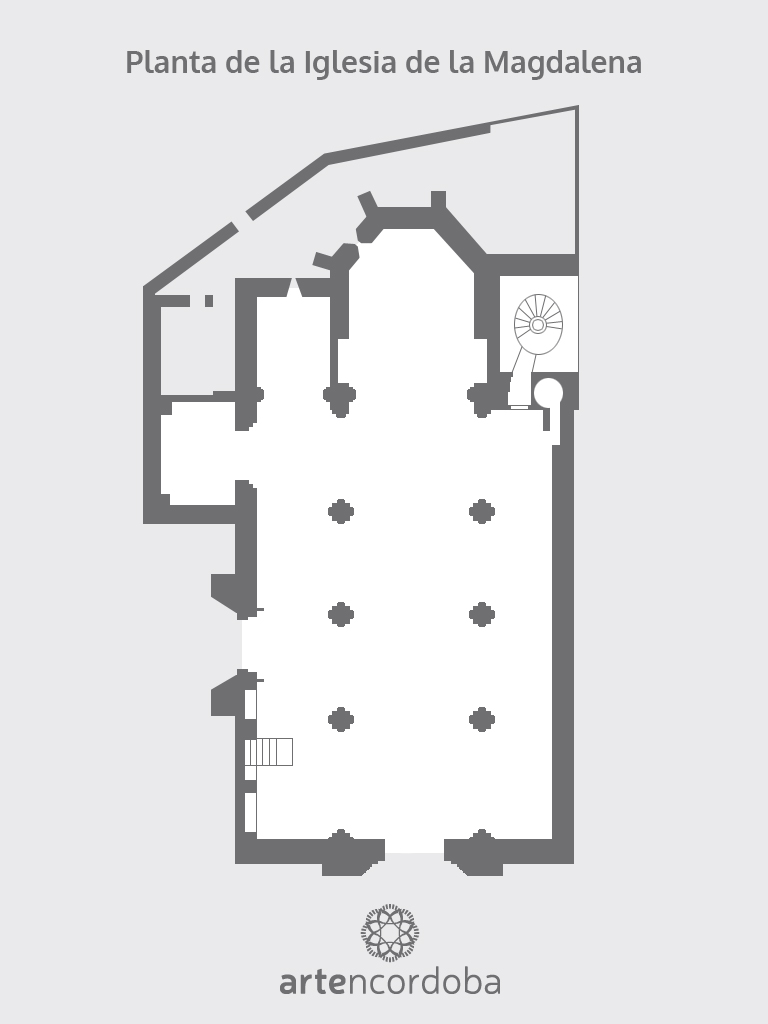
With a slightly irregular and slanted layout, it features three parallel naves, the central one being wider and taller than the side ones. These three naves are composed of three rows of pointed arches supported by columns attached to large quadrangular pillars. Above the arches is the traditional load-bearing wall, which supports the thrust of the wooden coffered ceiling, restored according to the traditional design of the Fernandine Churches. Simple semicircular openings, along with the rose window on the main façade, provide lighting to the nave.
The Apse and the Main Altar
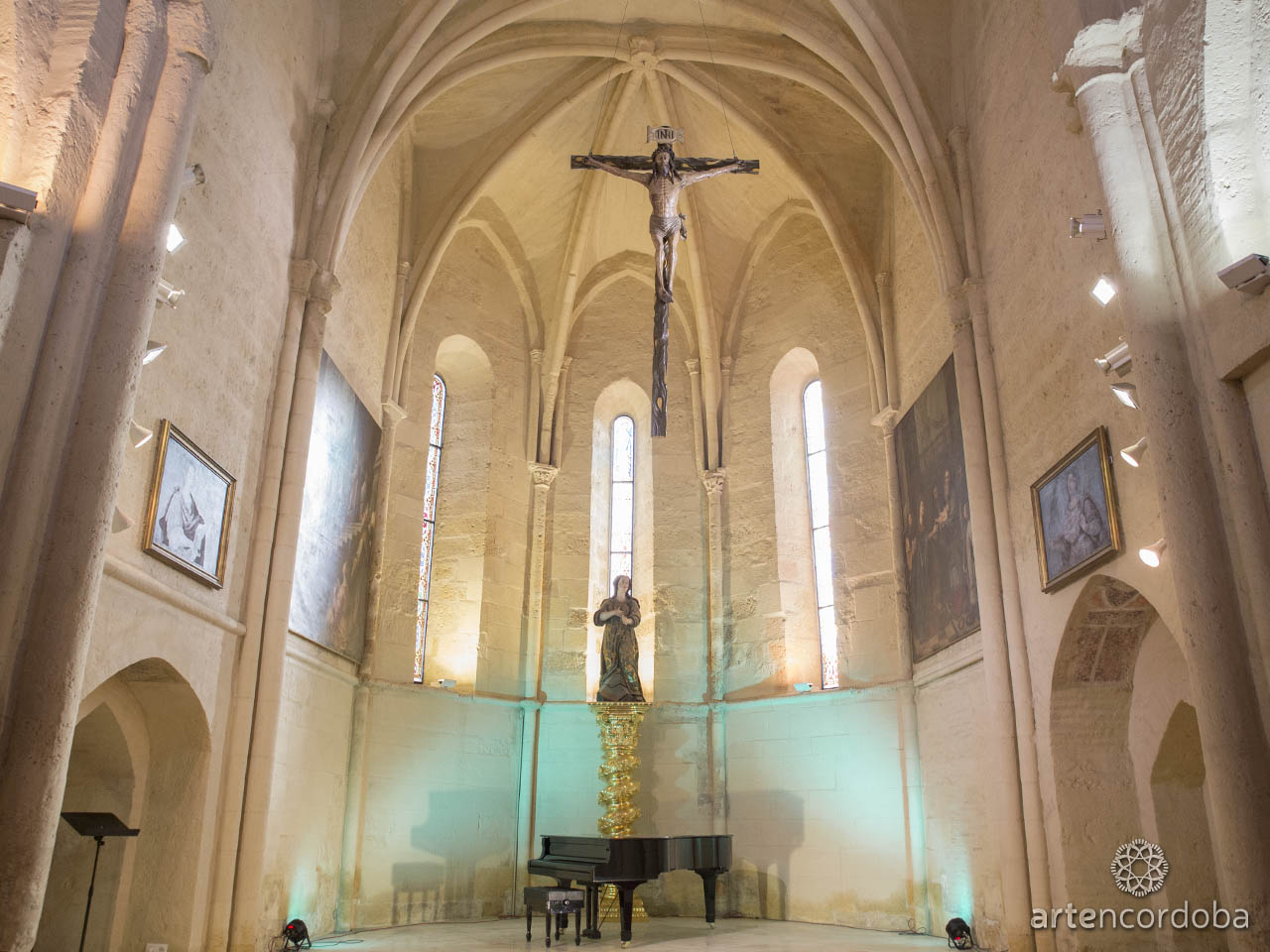
The apse follows a well-known layout in Córdoba, with a central polygonal apse, marked on the exterior by buttresses that support the vaults, and straight side apses. A semicircular triumphal arch gives access to the Main Altar, which is covered by a typical Gothic ribbed vault with a keystone decorated with vegetal motifs, the same type of vault that covers the other apses. Of particular interest is the now-sealed pointed opening that once led to the epistle apse, as it retains traces of polychrome on its intrados, though the motifs are barely distinguishable.
Chapels and Singular Spaces
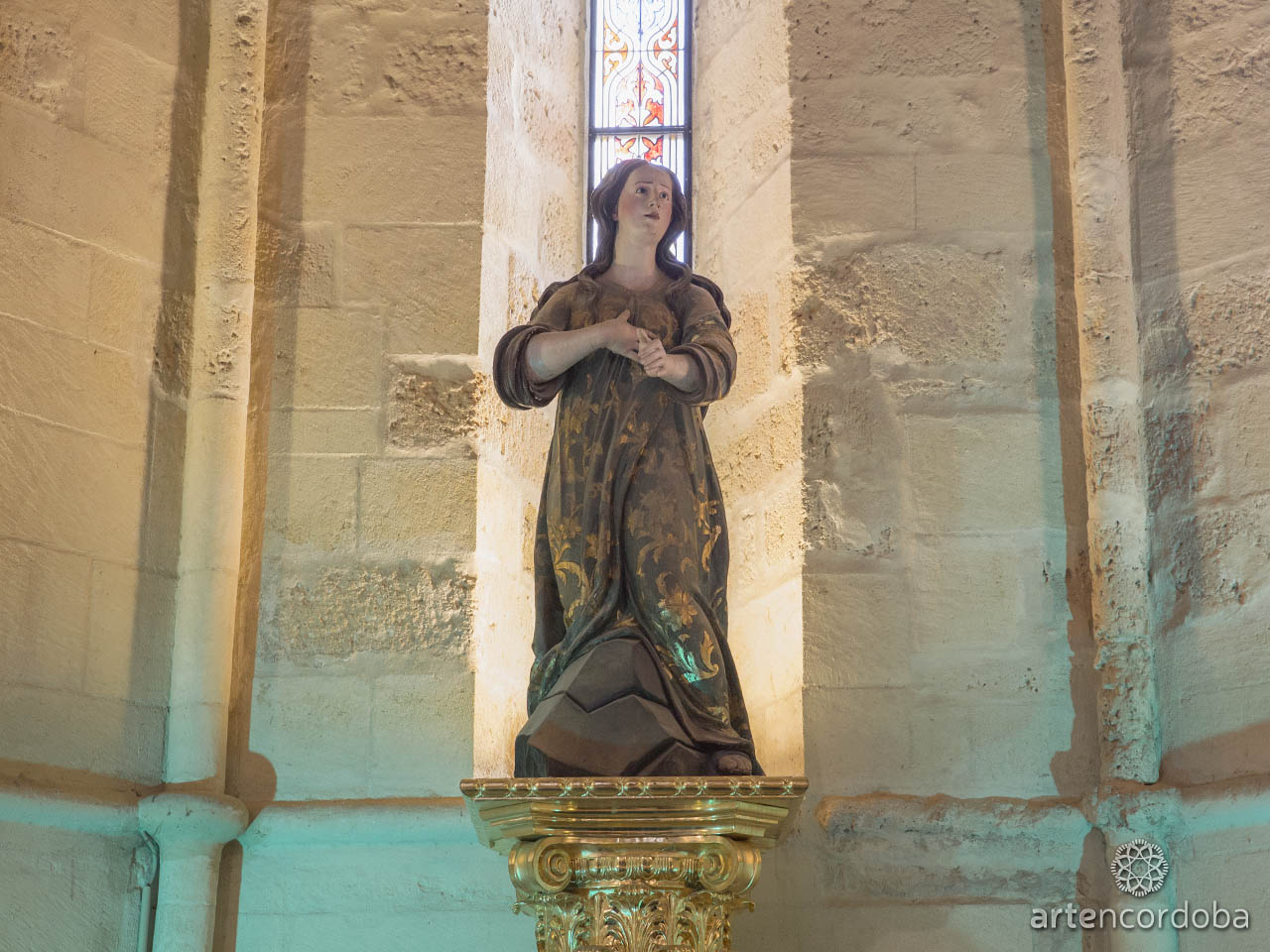
On the gospel side, aside from the funerary arcosolia, a square space stands out, covered by a dome and topped with a lantern, accessed through a molded semicircular arch. Inside, there is a small empty niche, which surely once held an important image. This is undoubtedly the aforementioned Chapel of Sorrows, founded in 1413 by Don Rodrigo Alfonso de Armenta.
The Portals
Gospel Portal
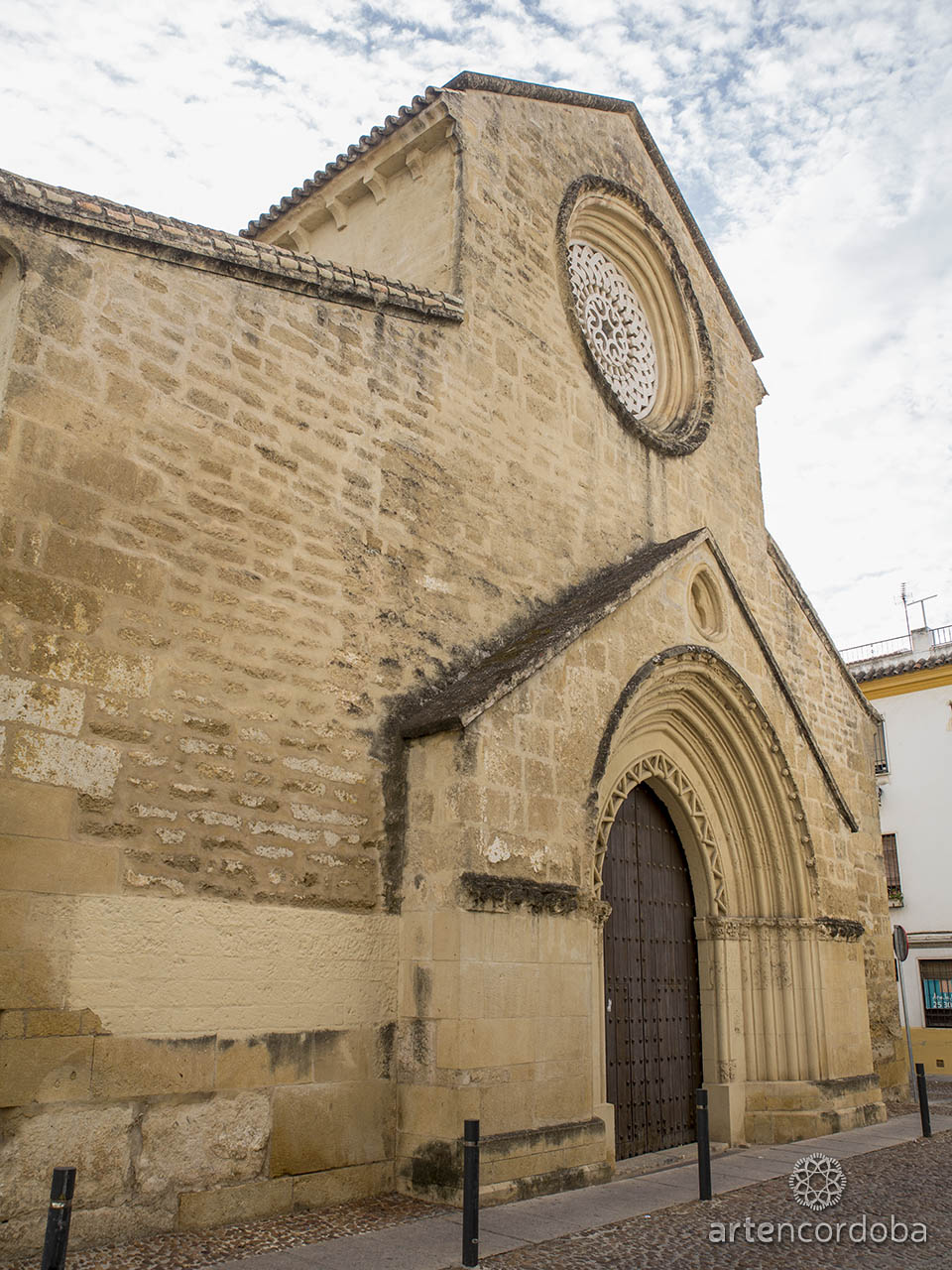
Set in relief, the Gospel Portal follows the typical design used in Fernandine Churches. A large pointed entrance arch, composed of several archivolts resting on slender columns, leads inside. To its left are the remains of a sculpture representing Archangel Gabriel, though nothing remains of the Virgin Mary figure that should have stood on the opposite side, forming together the Annunciation of Mary. The ensemble is crowned by a stone canopy, supported by modillions carved with scrolls cut by plain ribbons.
Main Portal
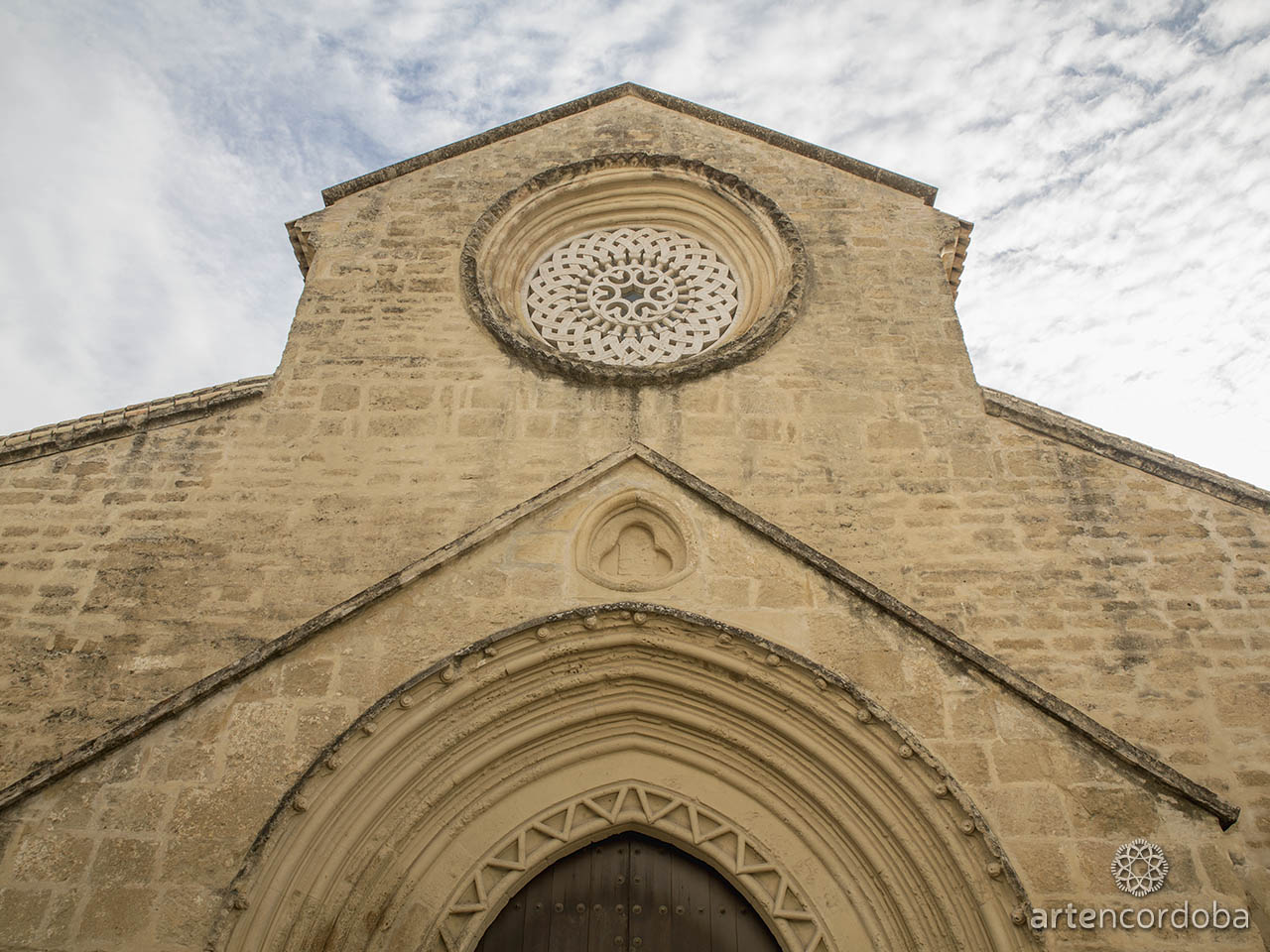
The Main Portal, also set in relief, features a similar layout, with notable decorative motifs, such as sawtooth designs on the intrados or, alternatively, ball-like shapes with two holes on the extrados. Above the portal is a blind trilobed oculus, which may once have held a statue. Above it, the restored rose window.
Epistle Portal
The Epistle Portal stands out for its simplicity. It consists of a molded semicircular arch decorated with diamond-point motifs, all framed by a plain alfiz adorned with the same diamond patterns.
The Tower
The current tower replaced the medieval one at the end of the 18th century, under the bishopric of Don Antonio Caballero y Góngora, who financed the work—hence his coat of arms appears carved on it. With a square floor plan, it is divided into three levels. The first has no decoration; the second, framed by four large scrolls, features beveled corners and on each side a semicircular opening for the bells. The top level also has chamfered corners and is topped with a lantern.
Guided Tour of Fernandine Churches
If you wish to discover the Fernandine Churches, don’t hesitate to book one of our guided tours. We will pay special attention to the Church of La Magdalena. We are experts in the interpretation of Córdoba’s historical heritage. If you have chosen to enjoy tourism in Córdoba, choose a quality option—choose ArtenCórdoba.
Text: J.A.S.C.