





As we mention in the section concerning the Plaza del Potro, the Collation of San Nicolás de la Ajerquía became a very important economic and commercial center in the city, and moreover, in this place, a large part of the artisanal guilds of Córdoba were concentrated. The economic boom attracted merchants, fairgoers, travelers… coming from everywhere, which, over the years, led to a large number of inns, taverns, and guesthouses being established in its surroundings.
Historical Context
The Posada del Potro of Córdoba has inspired artists such as Quevedo and Cervantes.
One of the streets with the greatest concentration of this type of establishment was named Calle Mesones, now Calle Lucano. Although many of them survived until the early twentieth century, the vast majority have been destroyed and replaced by more modern businesses such as hotels, hostels, or souvenir shops, among other examples.
Amidst this atmosphere of commercial hustle and roguery, our Posada del Potro was located in the square of the same name. The truth is that it was, at that time, a brothel, or in other words, a house of prostitution—a profession, moreover, recognized and approved by the city authorities. Interestingly, brothels are still present, although to a lesser extent than 20 or 30 years ago, in the Calles Lucano or Rey Heredia and surrounding areas.
Architecture of the Posada del Potro
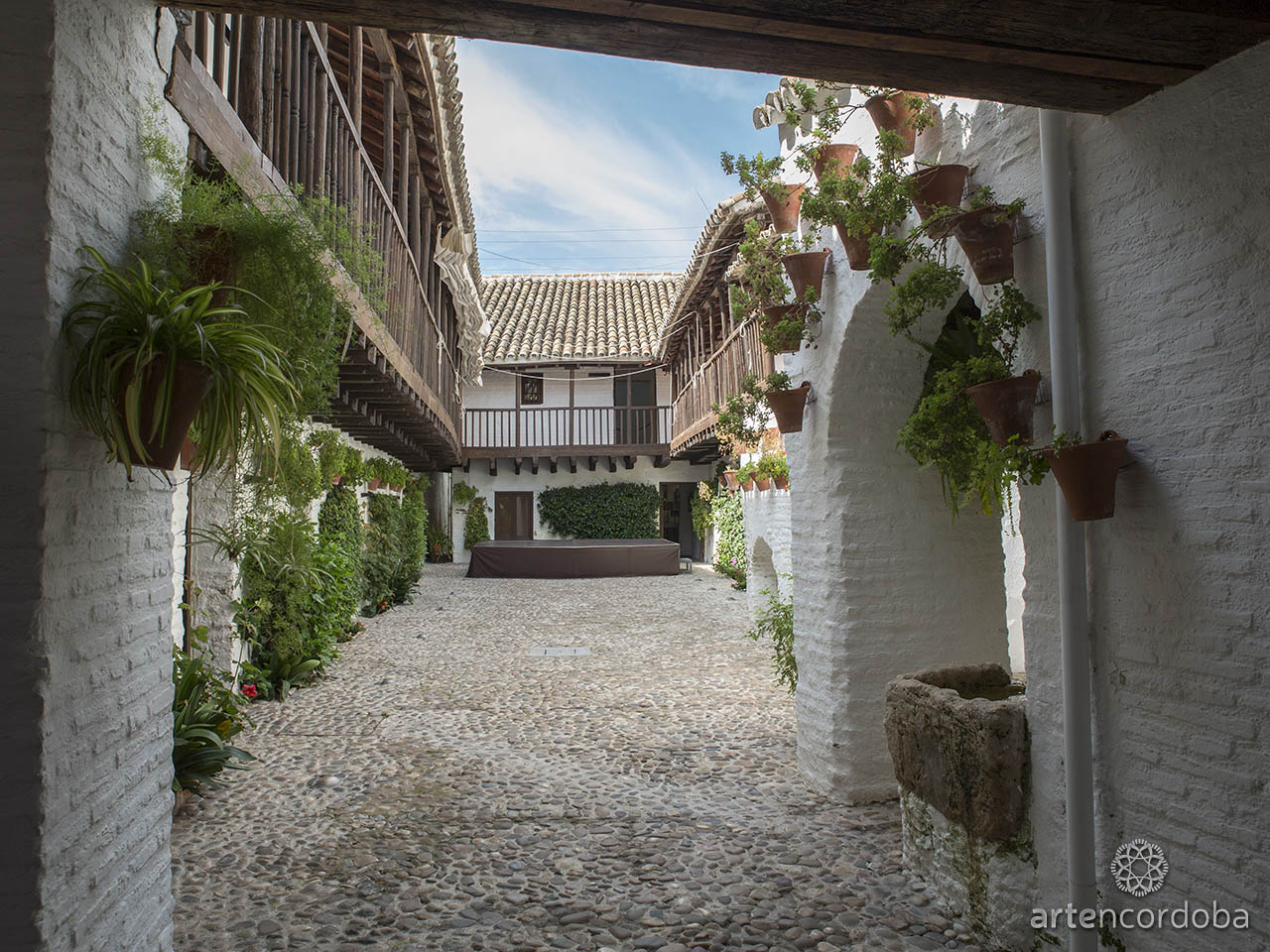
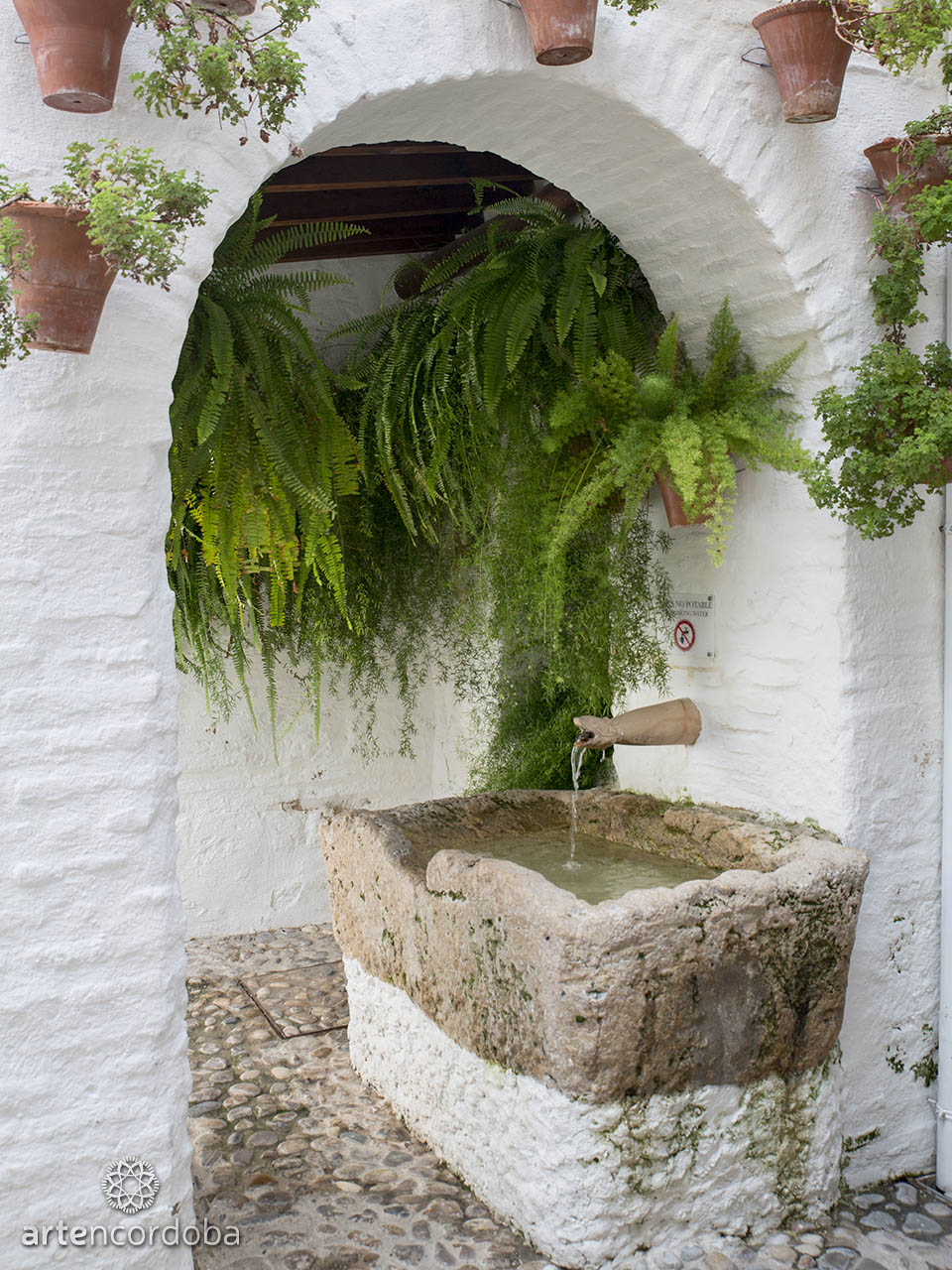
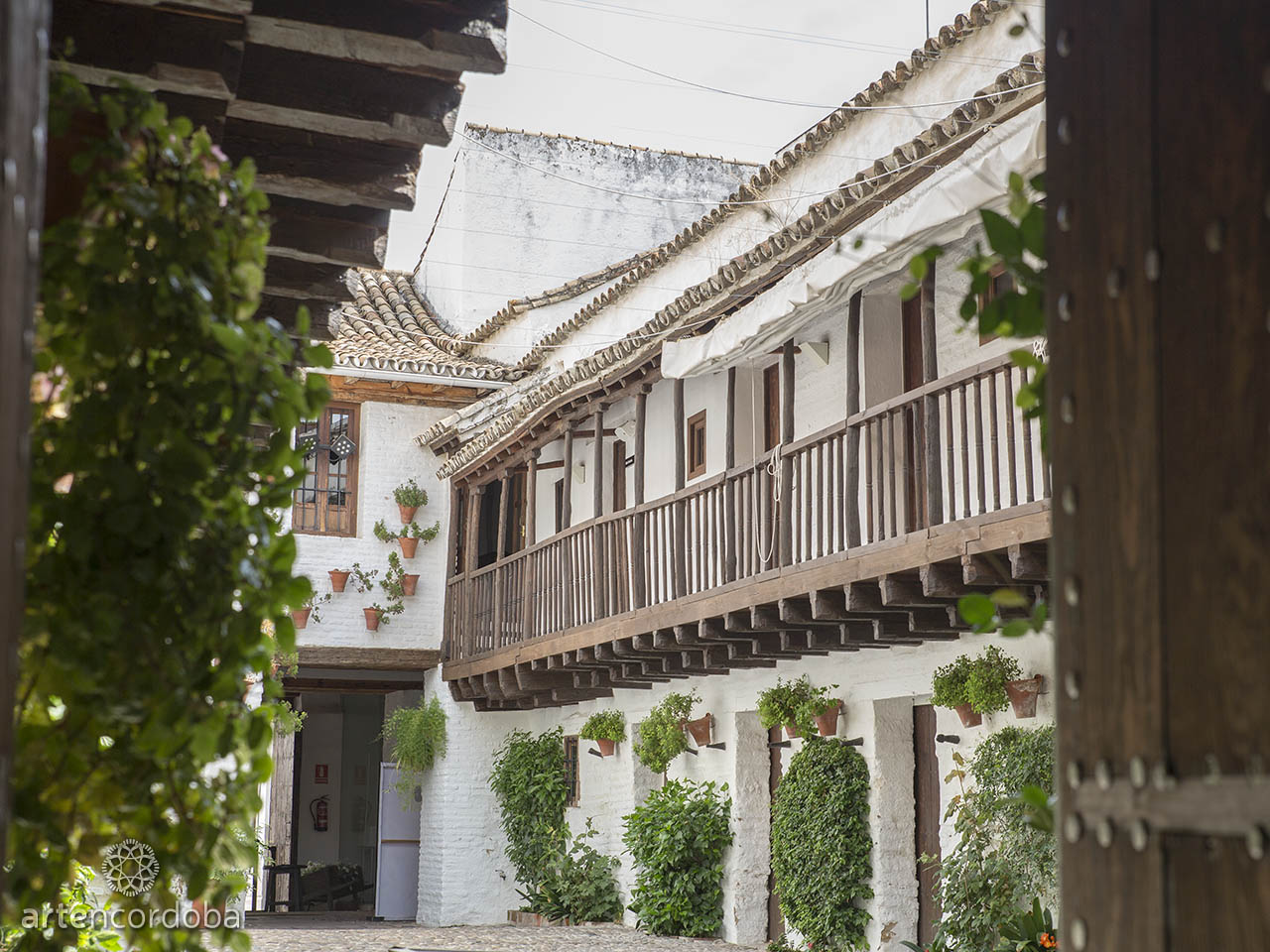
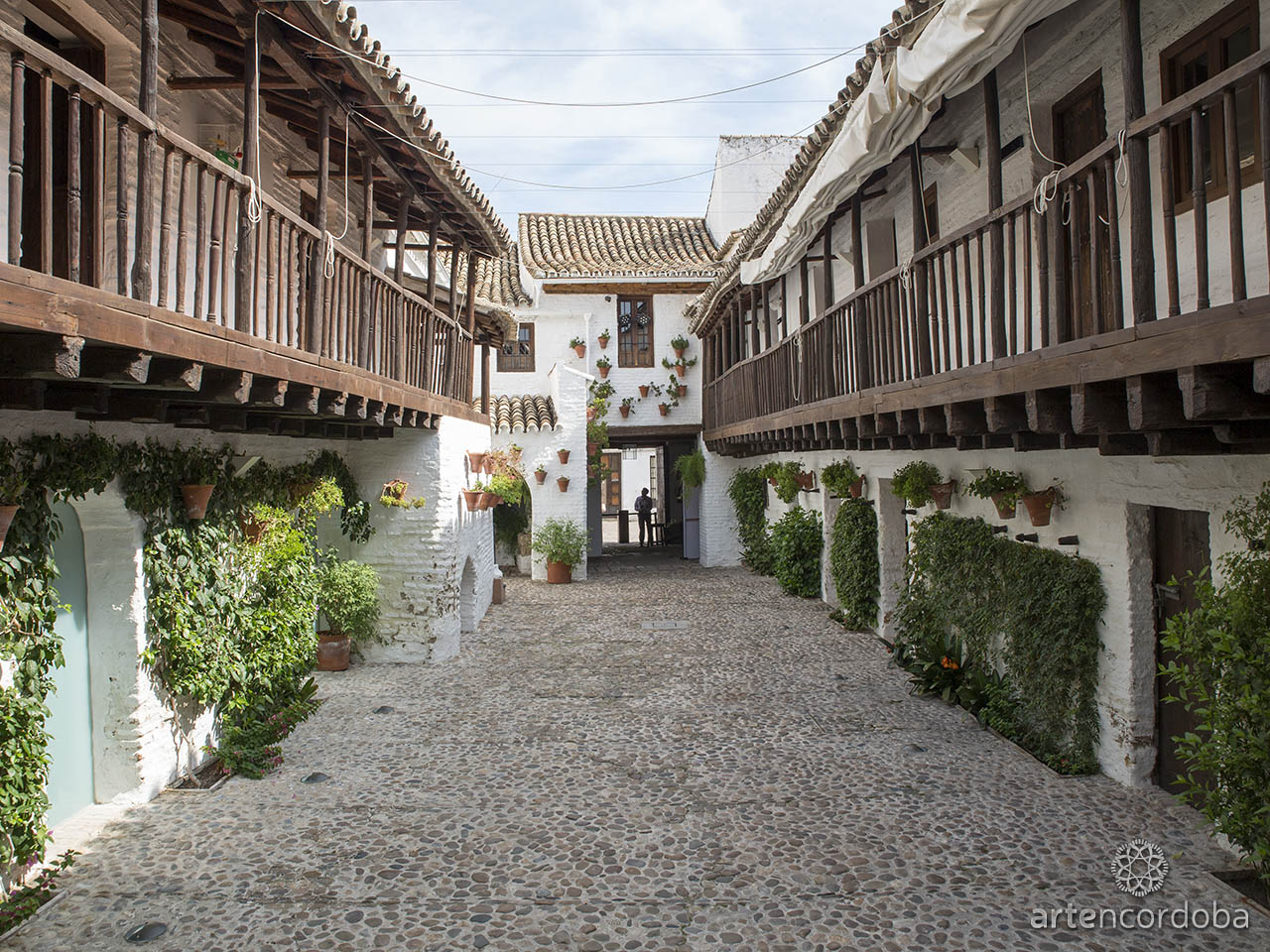
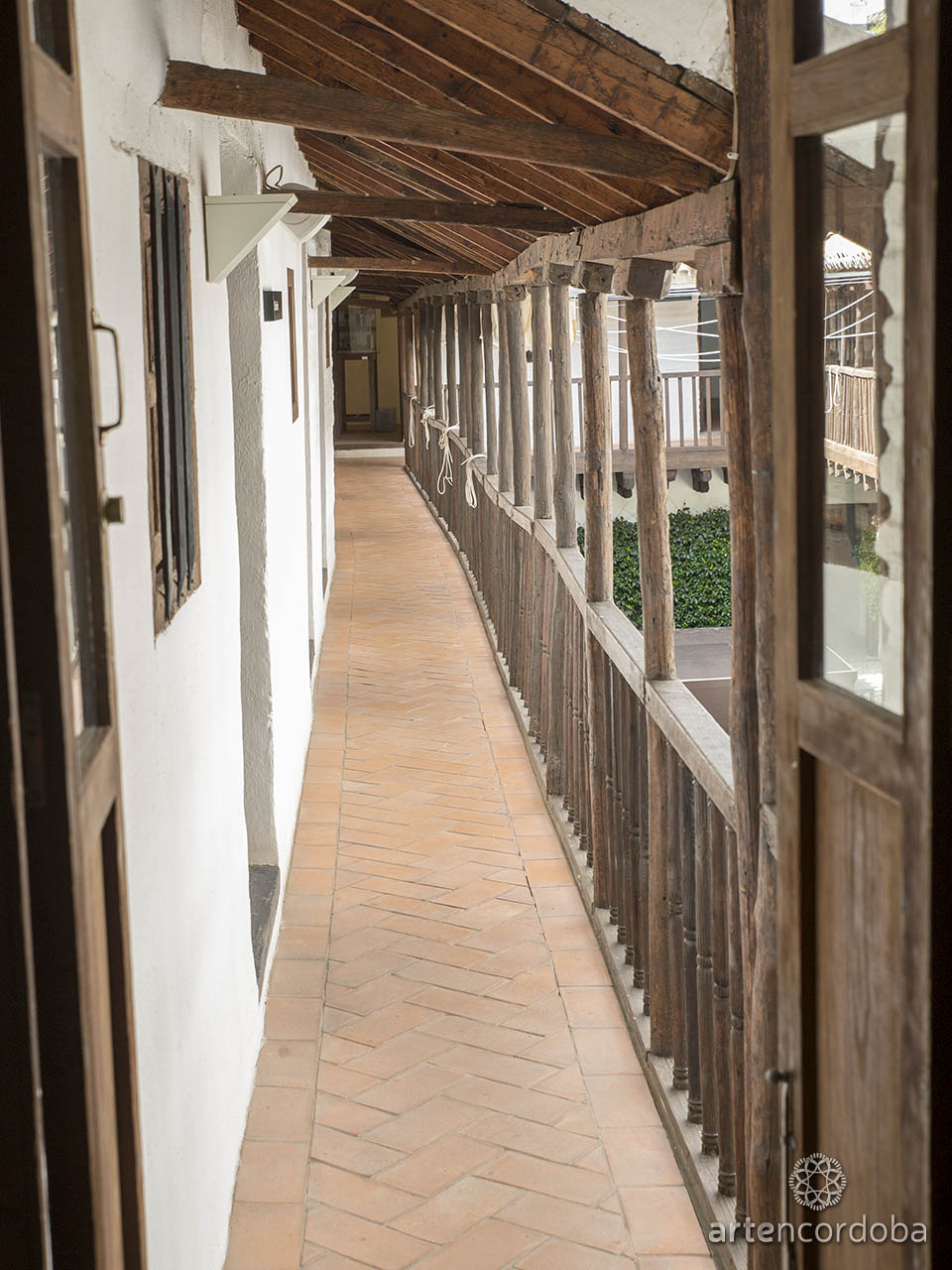
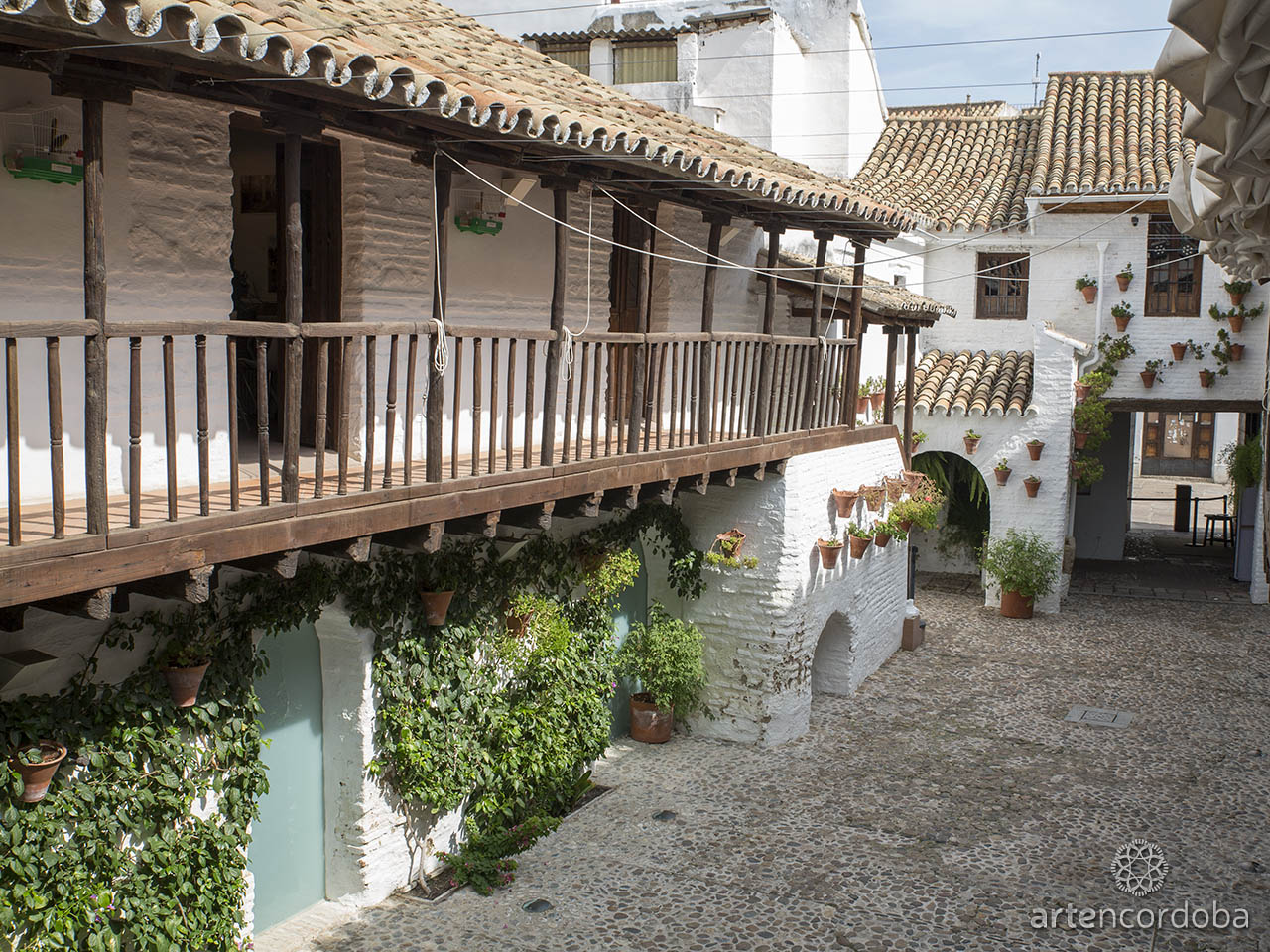
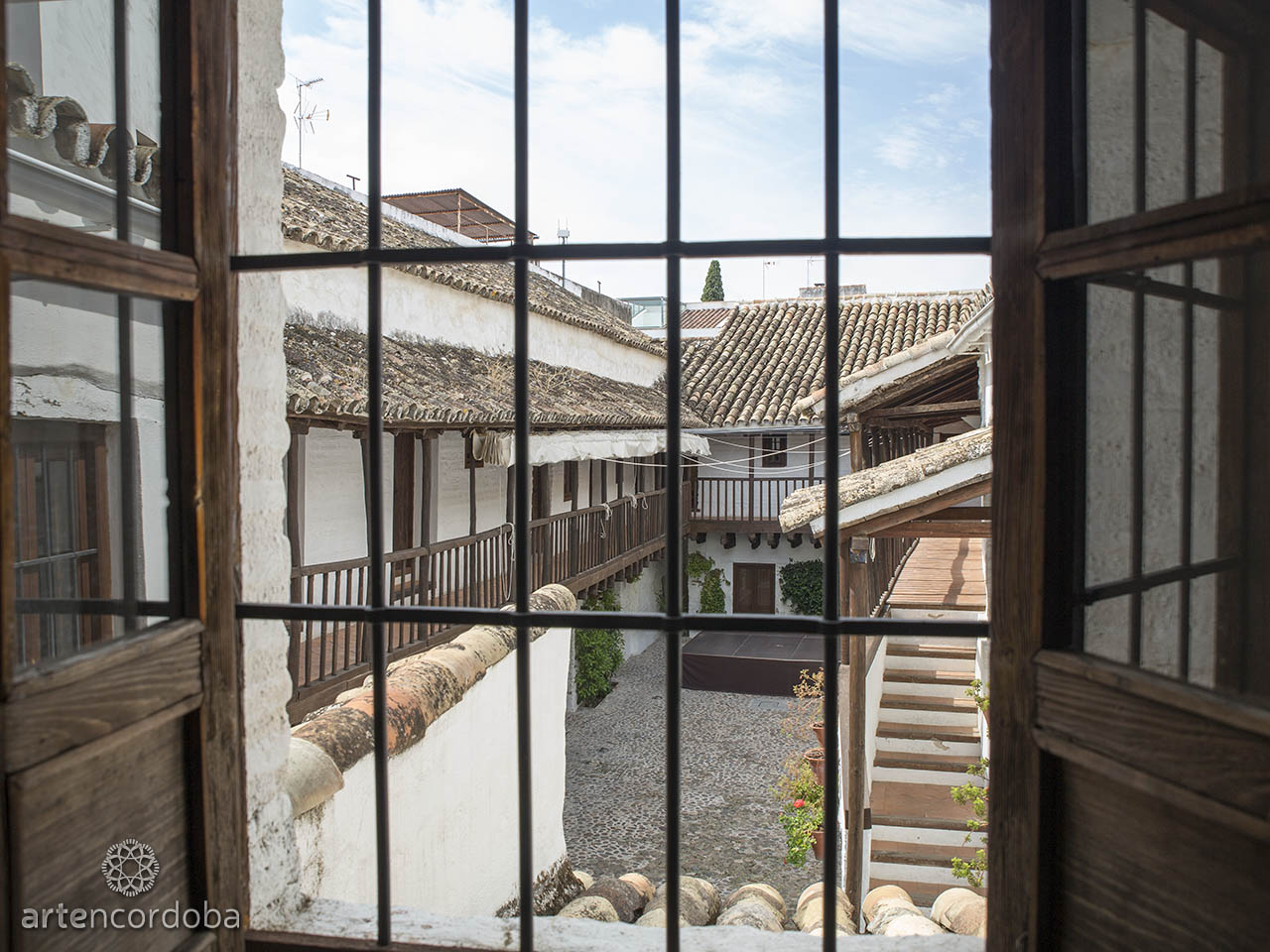
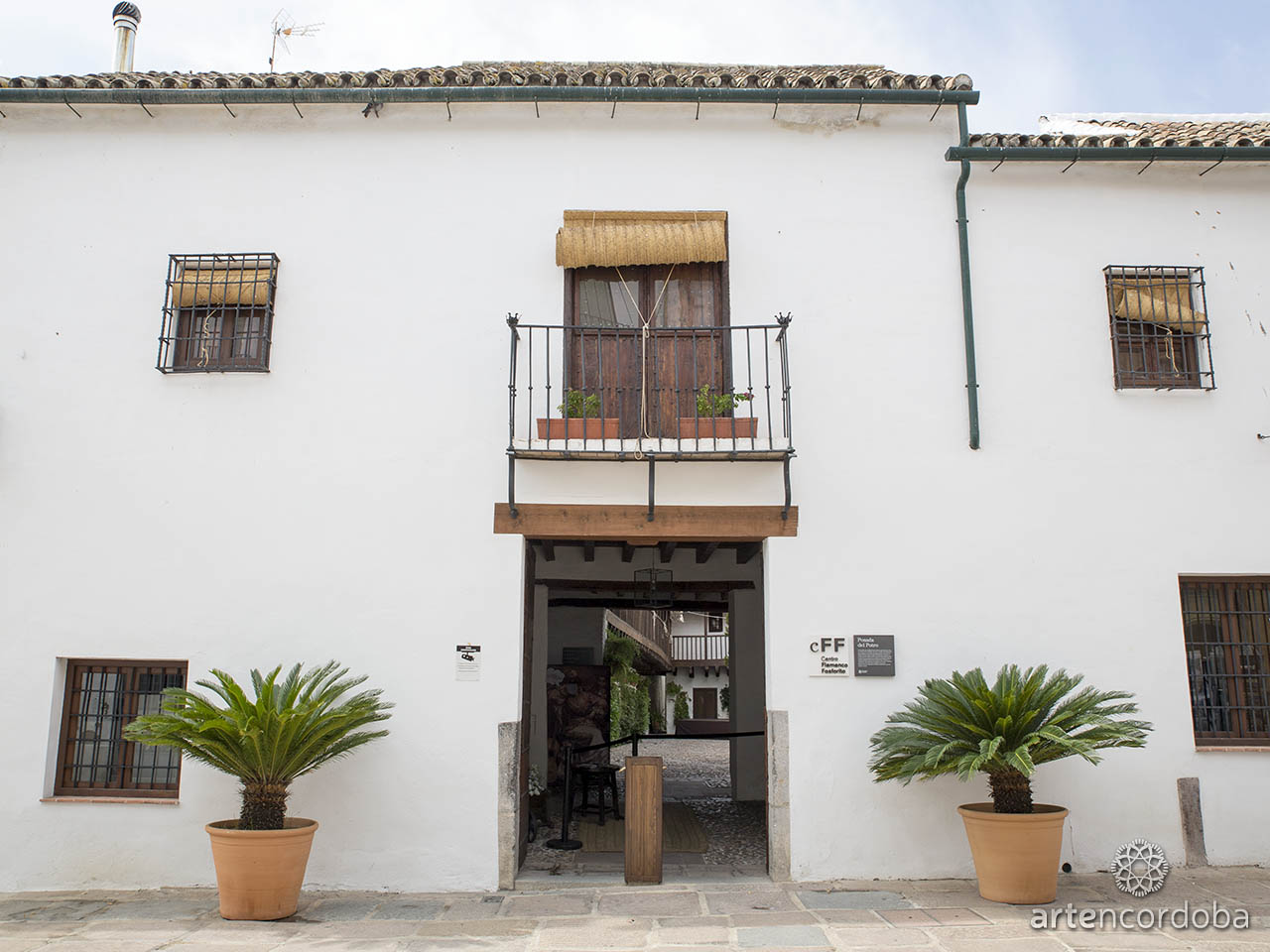
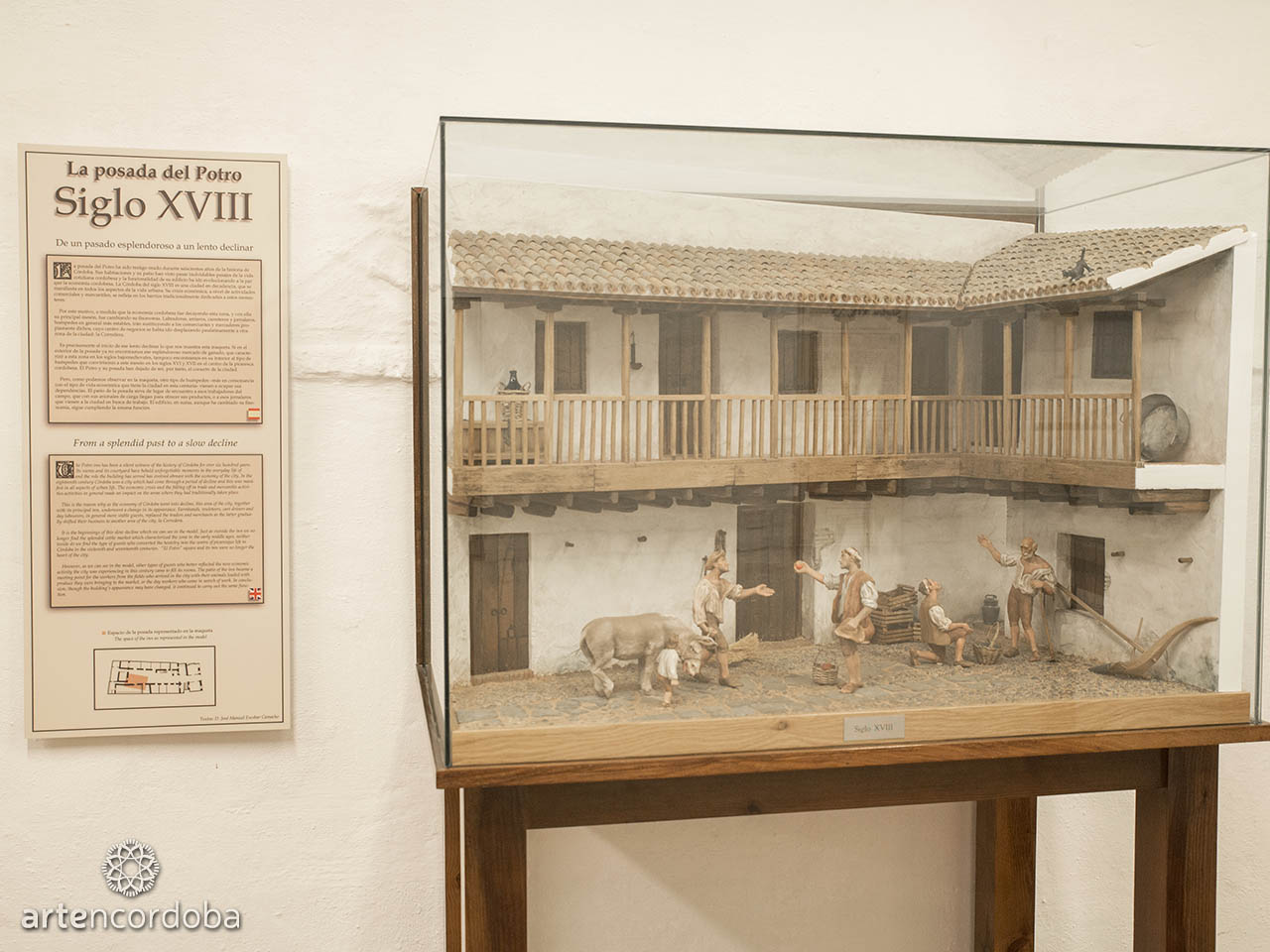
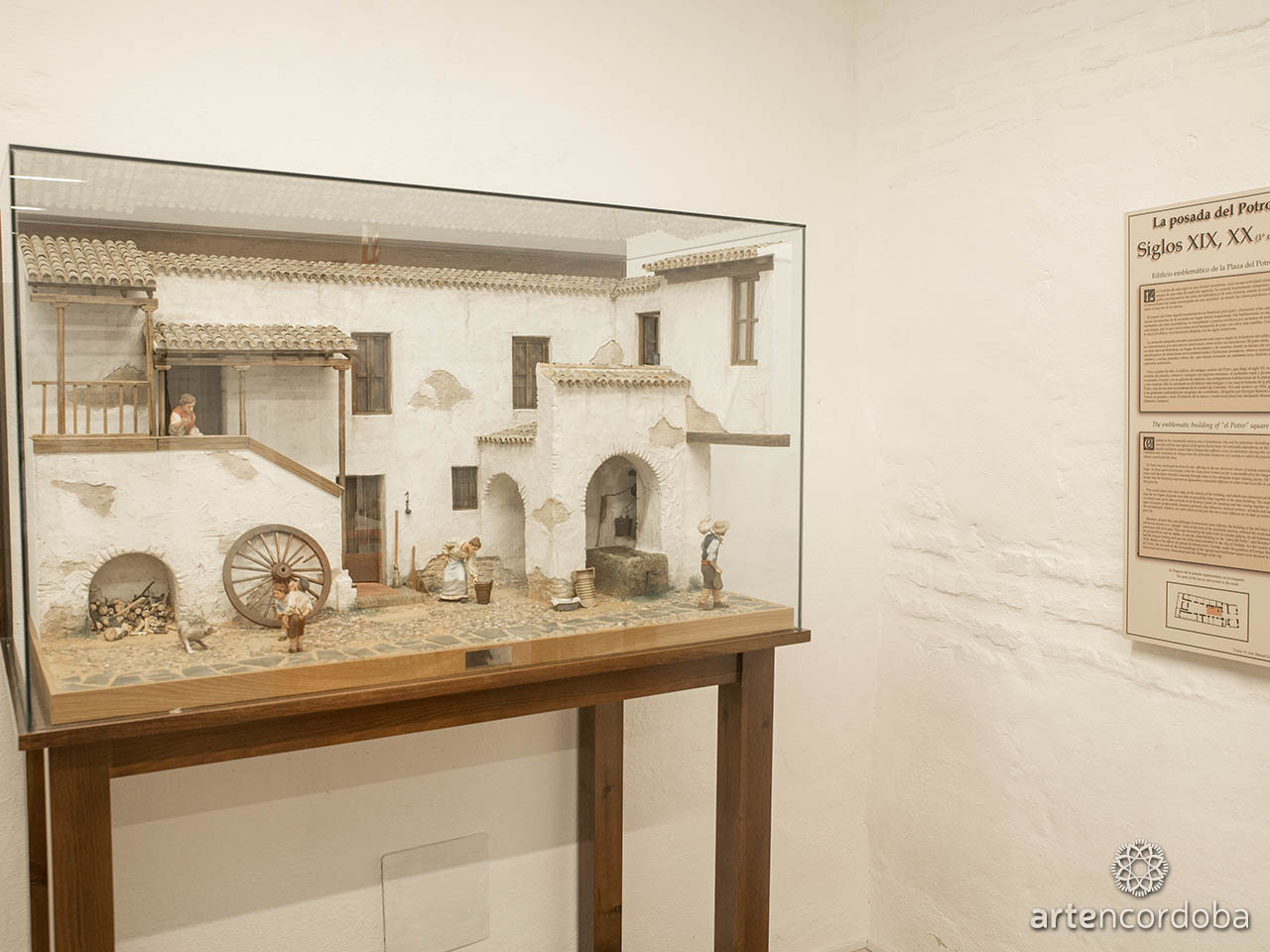
With its simple, smooth, whitewashed facade, the building displays from the outside its two floors, accessed through a small wooden lintelled doorway. Inside, what stands out is its beautiful and spacious courtyard, irregular yet almost rectangular, from which the different rooms—arranged, as mentioned, on two levels—are accessed. The second floor, which can be reached by stairs, features a balustraded gallery with wooden ceilings. Of particular interest is the contrast between the white walls and the brown and green tones belonging to the woodwork and plant decorations, respectively.
Legends and Stories
There are many legends and stories about the Posada del Potro of Córdoba.
The Posada del Potro, besides serving as inspiration for artists of the stature of Francisco de Quevedo and Miguel de Cervantes himself, has been the protagonist of numerous legends, such as the one involving a Captain in the army of Pedro I the Cruel: The soldier decided to spend a rainy night at the tavern, carrying a large suitcase which was noticed by the innkeeper, a man of bad reputation in the neighborhood. When the captain went to his room, a young girl warned him about the innkeeper, which made him stay awake all night. At dawn, the innkeeper entered secretly through a trapdoor to rob the soldier, but the captain caught him, and quickly fled to Seville to tell the King himself. In time, the monarch came in person to investigate, and when he saw it was true, he ordered the innkeeper to be executed, tying him to a window and having him disjointed by several colts. In the end, it was discovered that the young woman was the daughter of a man whom the innkeeper had killed, and she ended up marrying the captain.
Evolution and Use of the Building
The Posada del Potro maintained its original function until the mid-19th century, when the area lost its commercial importance, causing its main source of income, mostly from traders, to decrease significantly. From that moment, the building was used as a “tenement house” until the middle of the last century, after which it was abandoned. But in the 1970s, Don Manuel Salcedo Hierro, then Deputy Mayor of Culture of the Córdoba City Council, rescued it from more than 20 years of neglect.
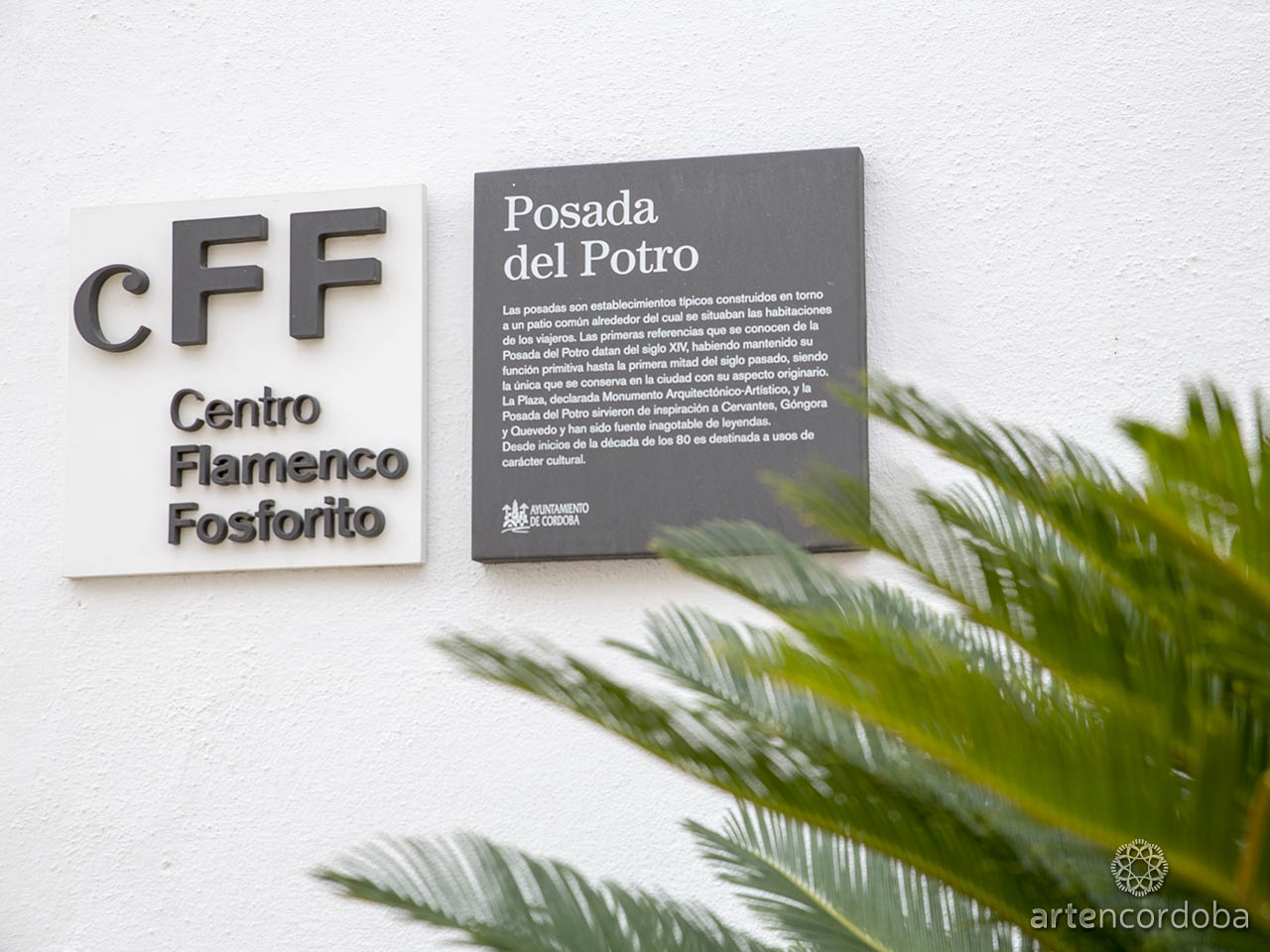
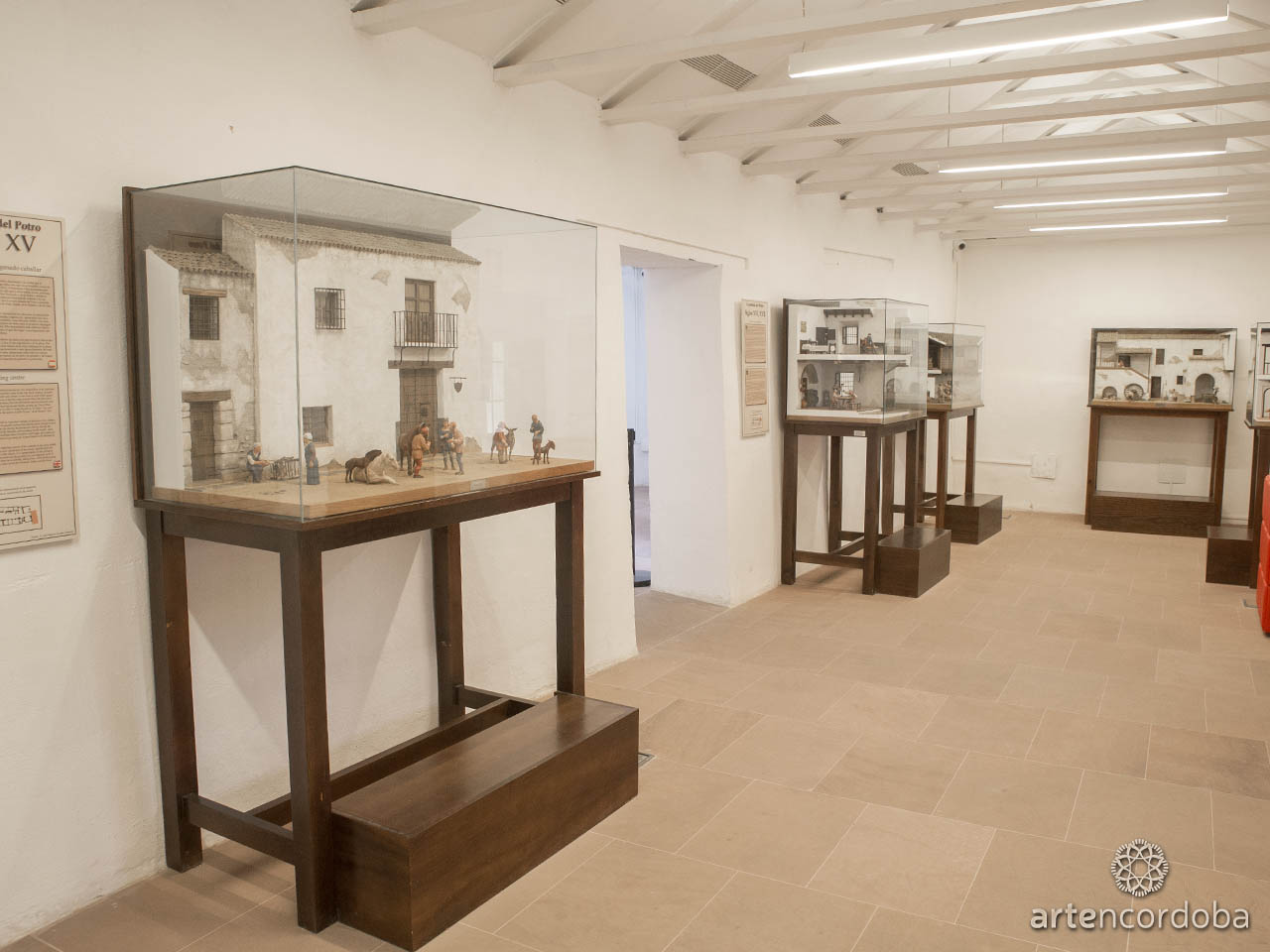
Currently, the Posada del Potro has become the headquarters of the museum that Córdoba has dedicated to the singing artist Fosforito and, ultimately, to the tradition of flamenco in our city. This is none other than the Fosforito Flamenco Art Center.
Visiting the Posada del Potro
If you are wondering what to visit in Córdoba, a good option would be the Posada del Potro, choosing one of our guided tours. To opt for quality tourism is to opt for ArtenCórdoba.
Text: J.A.S.C.