





It is possible to trace the various stages of the urban development of the Roman city through the strategies employed for its water supply, as Ángel Ventura states in the Archaeological Guide of Córdoba, and this is exactly what we will attempt to do in the following lines.
Water supply during the Republican period
The Republican period was characterized by the exploitation of the city’s abundant underground aquifers, supplying the population with water through wells. With the arrival of Augustus, as previously mentioned, a process of monumentalization of the city began, which also led to a notable reinforcement of the hydraulic infrastructure.
The first aqueduct of Córdoba: Aqua Augusta
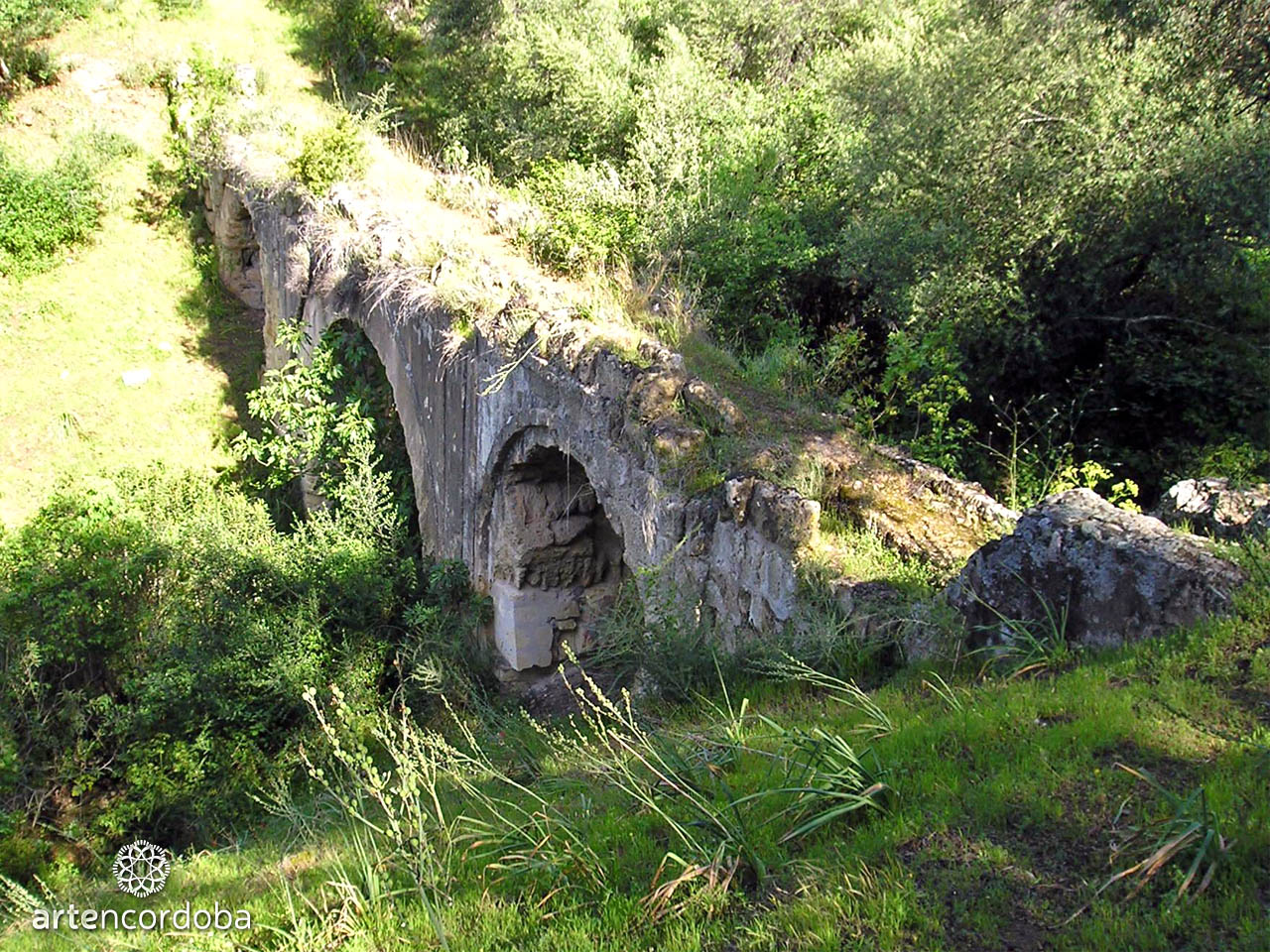
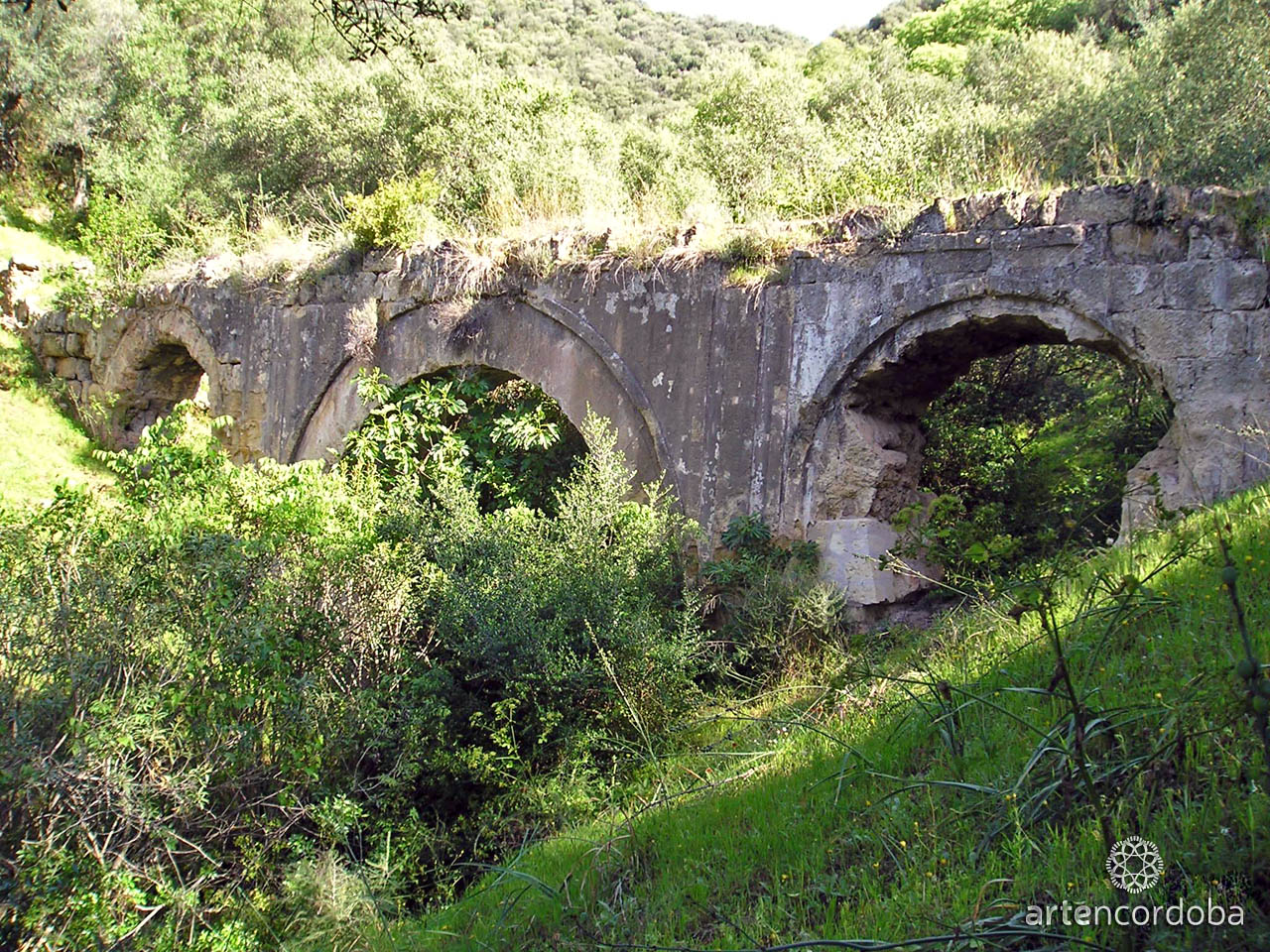
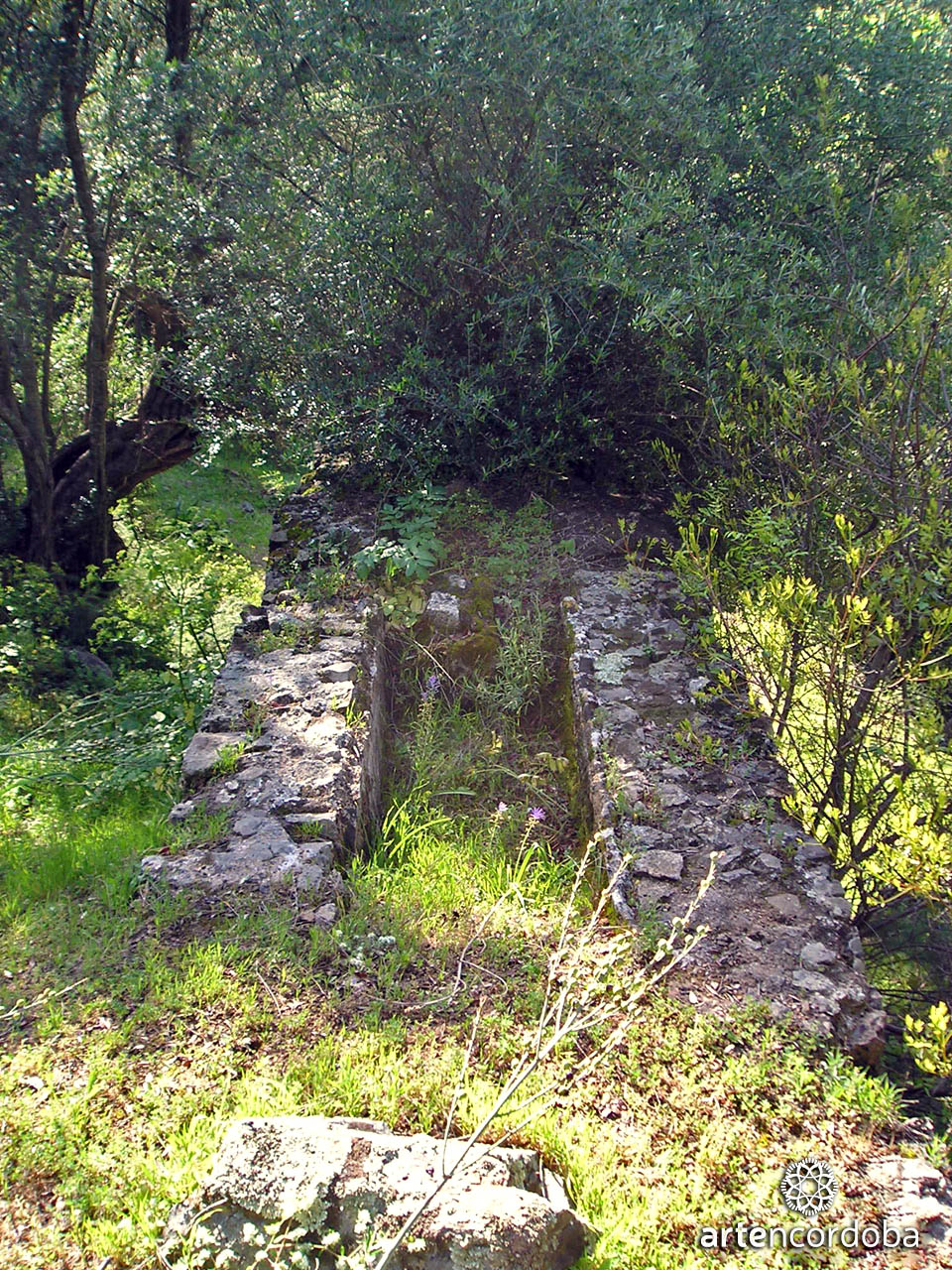
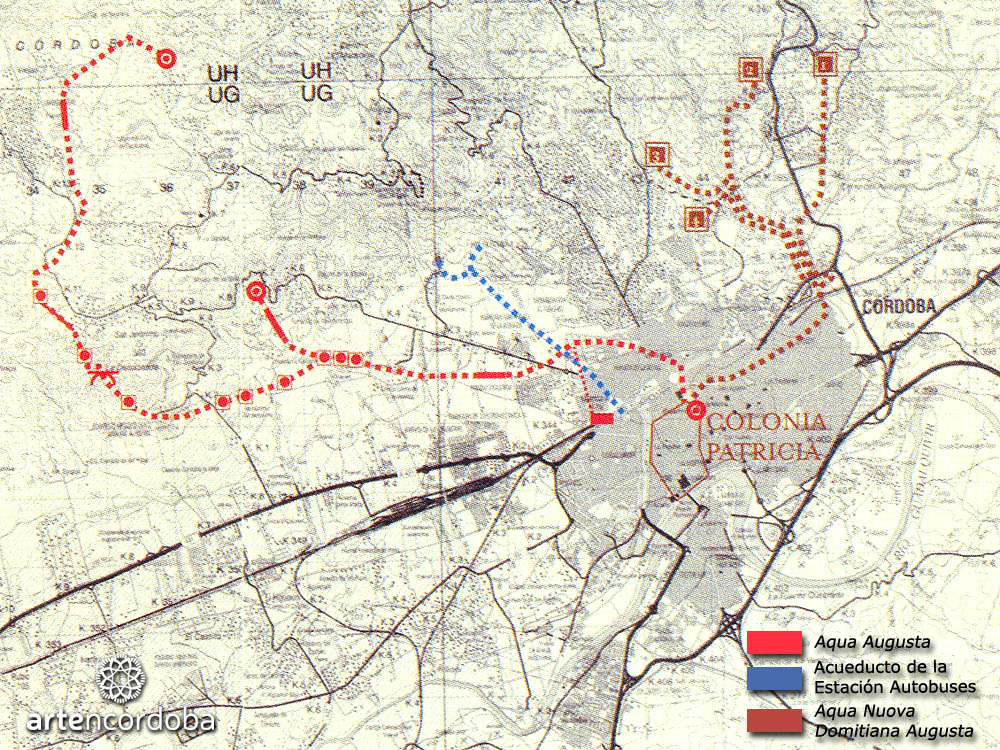
At this point, the first aqueduct of Córdoba was born, known then as Aqua Augusta, and later called Aqua Vetus, or Valdepuentes today. Originating in the northwest of the Cordoban mountains, sheltered by the Sierra Morena, this exceptional aqueduct supplied the city with between 25,000 and 35,000 cubic meters of water per day, after a journey of nearly 19 km, much of it underground.
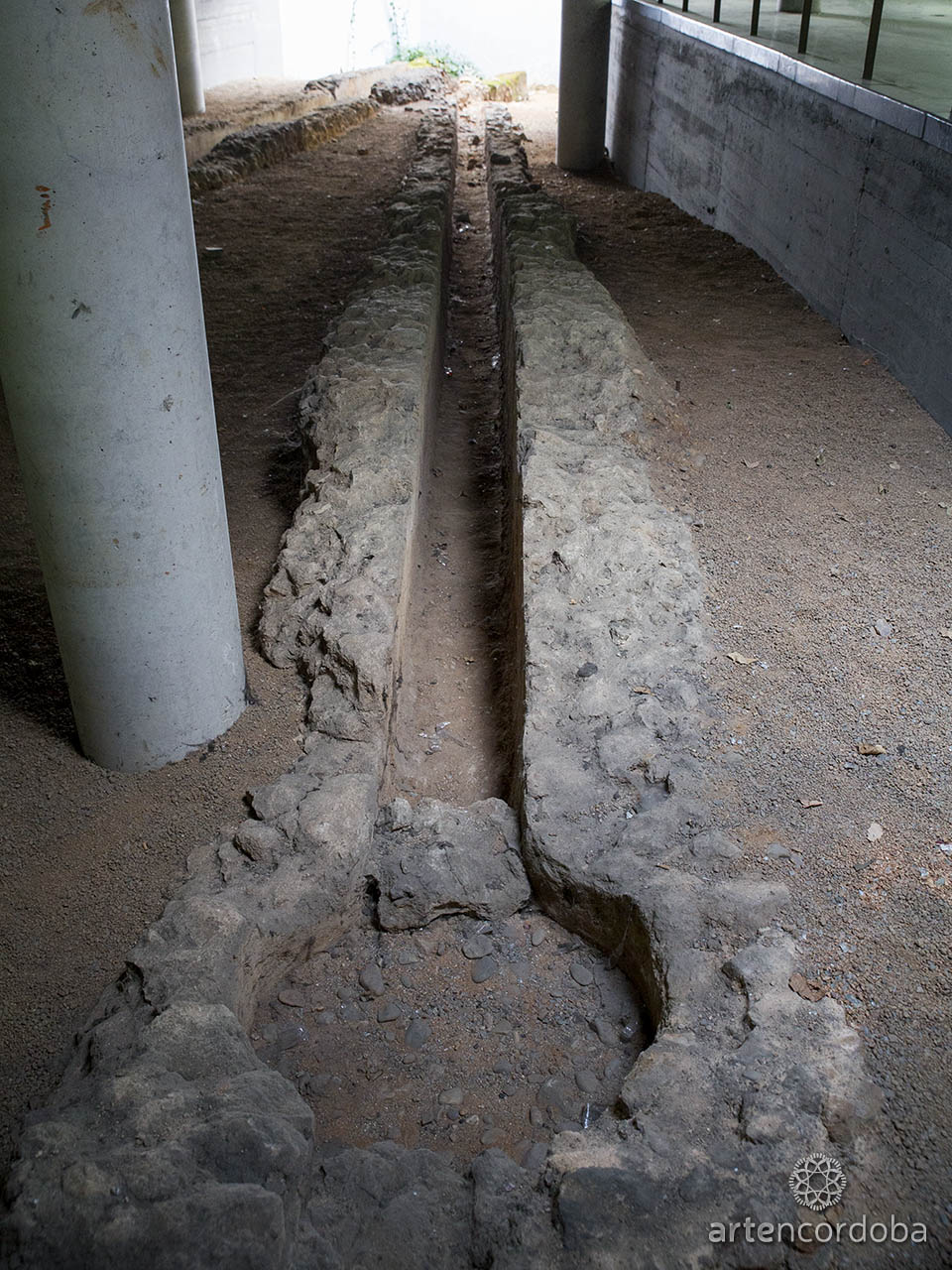
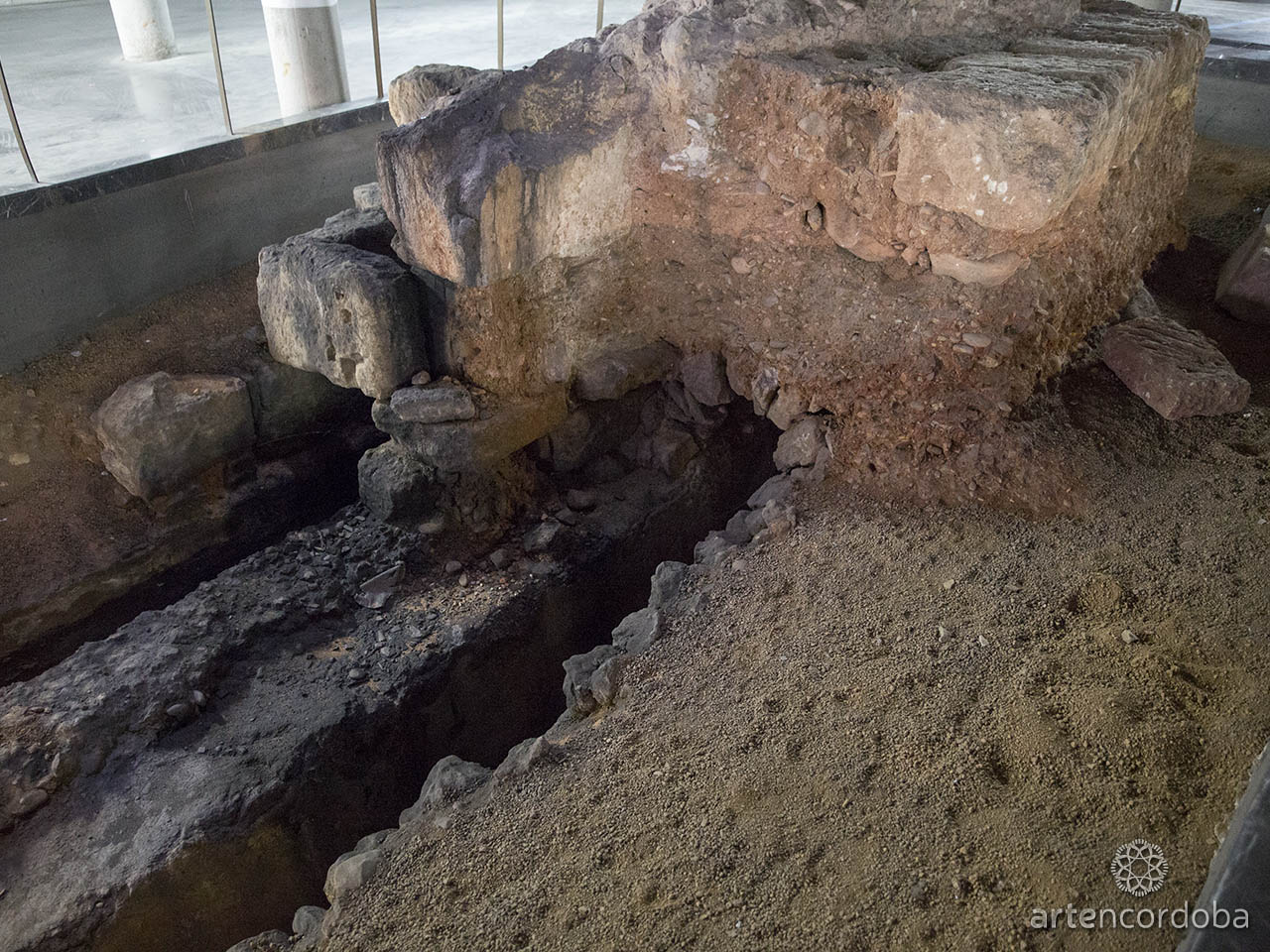
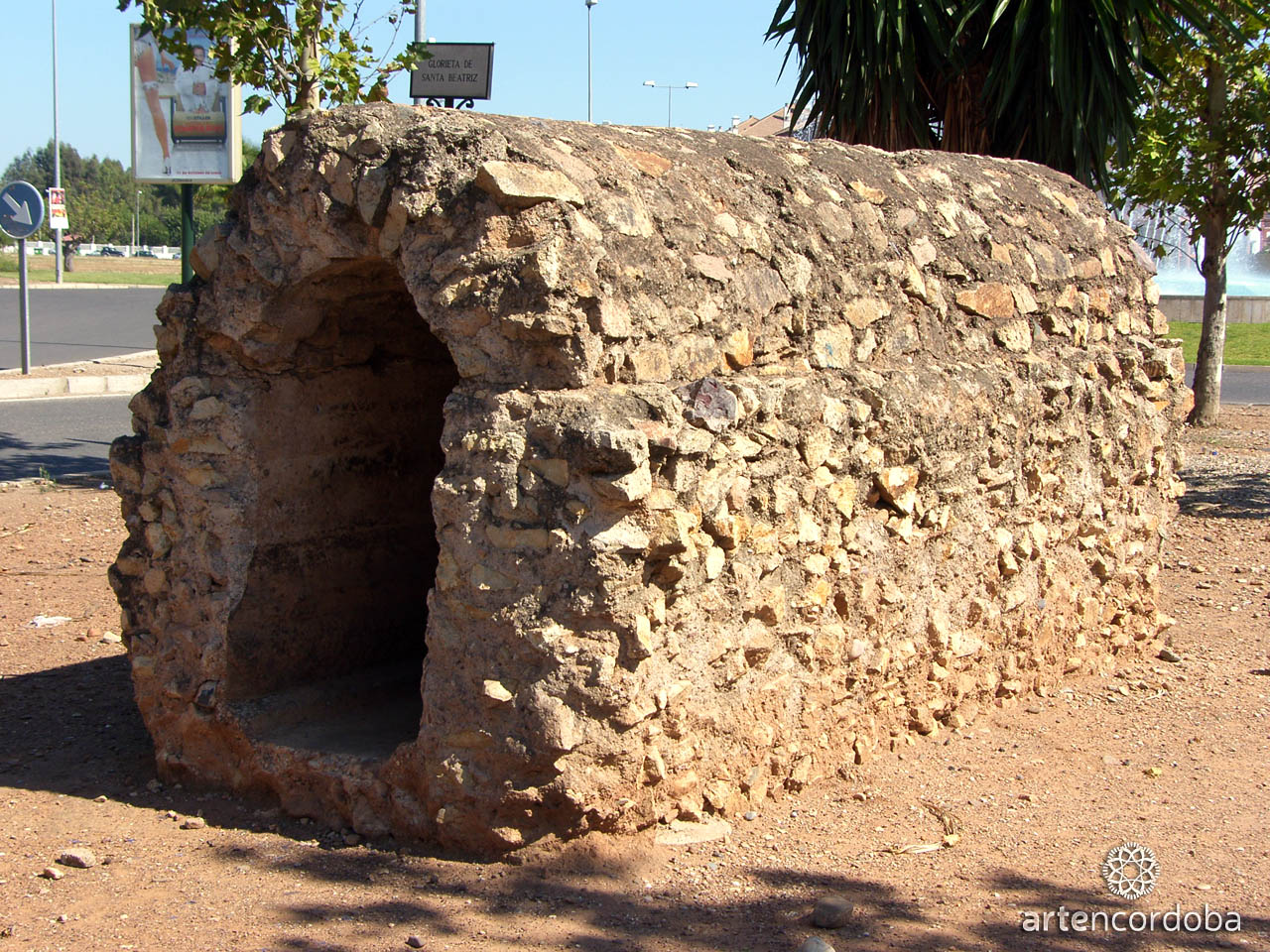
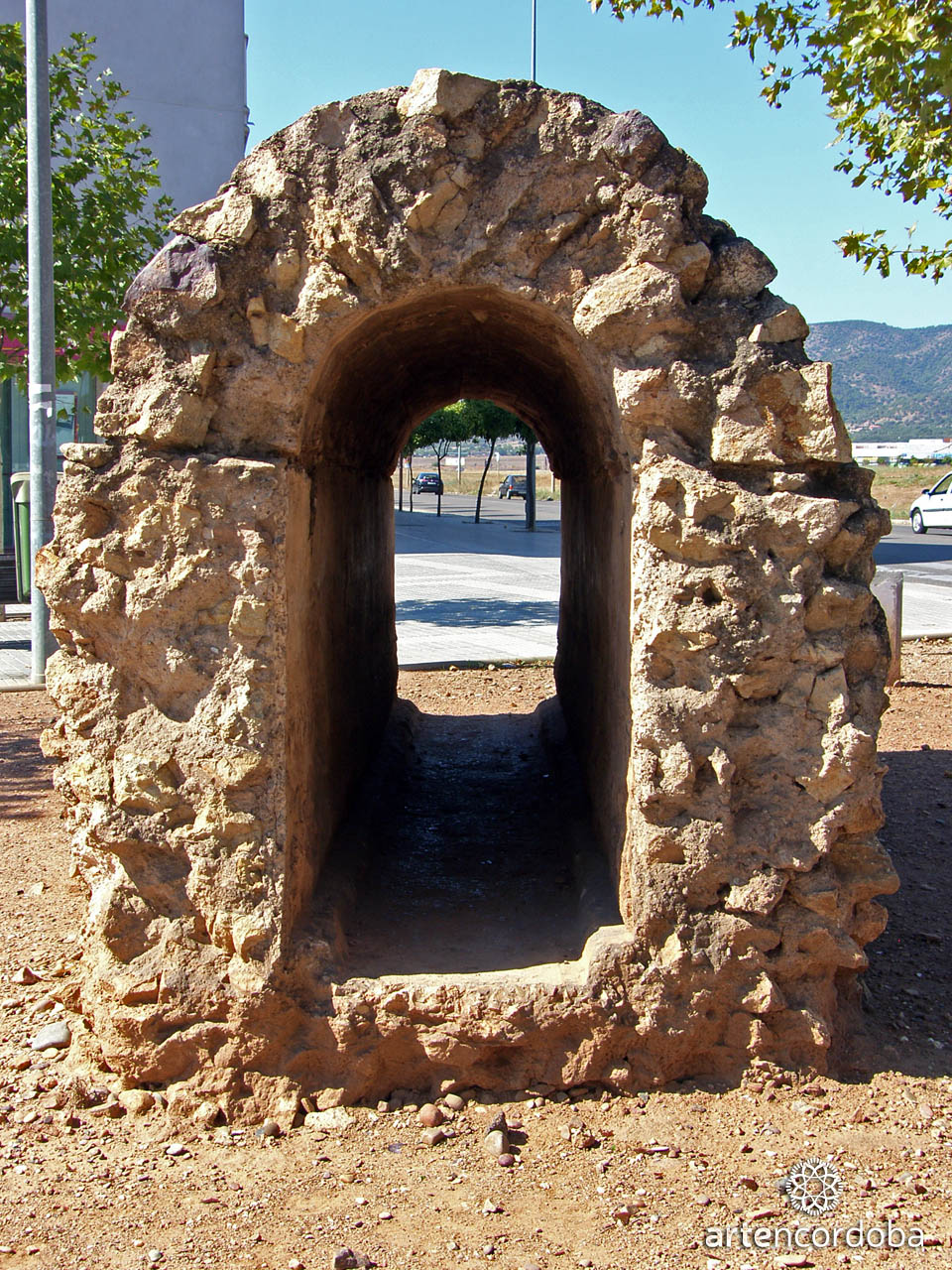
We have preserved important remains, such as the fragment displayed on Avenida de la Arruzafilla, where we can see that it was a vaulted conduit, made of opus caementicium and coated with opus signinum, a mortar used to waterproof the chamber.
Public fountains and water distribution
It is known that during the time of Emperor Tiberius, the duumvir Lucius Cornelius financed at his own expense the construction of a set of public fountains, which were decorated with bronze spouts in the form of masks. Based on the dimensions of the aqueduct and the texts of Vitruvius, some have speculated that there may have been over a hundred fountains in Córdoba, not counting private supply to houses and public buildings, throughout the 1st century AD.
The second aqueduct: Aqua Nova Domitiana Augusta
We are in a period of economic, social, and political prosperity in the city, which is reflected in continuous urban growth, with buildings becoming more important and monumental. This led to the construction of the city’s second major aqueduct, known as Aqua Nova Domitiana Augusta, built during the reign of Emperor Domitian (81–96 AD).
Unlike its predecessor, the new aqueduct brought water from the northeast of the Cordoban mountains, with remains of up to four branches found near the Arroyo Pedroche. Smaller in size than the one built during the Augustan period, the Aqua Nova Domitiana Augusta was about 14 km long, and it is believed to have supplied the city with around 20,000 cubic meters of water per day.
Combined with the approximately 30,000 cubic meters from the previous aqueduct, they made Corduba one of the best-supplied cities in Roman Hispania.
The third aqueduct and the expansion beyond the city walls
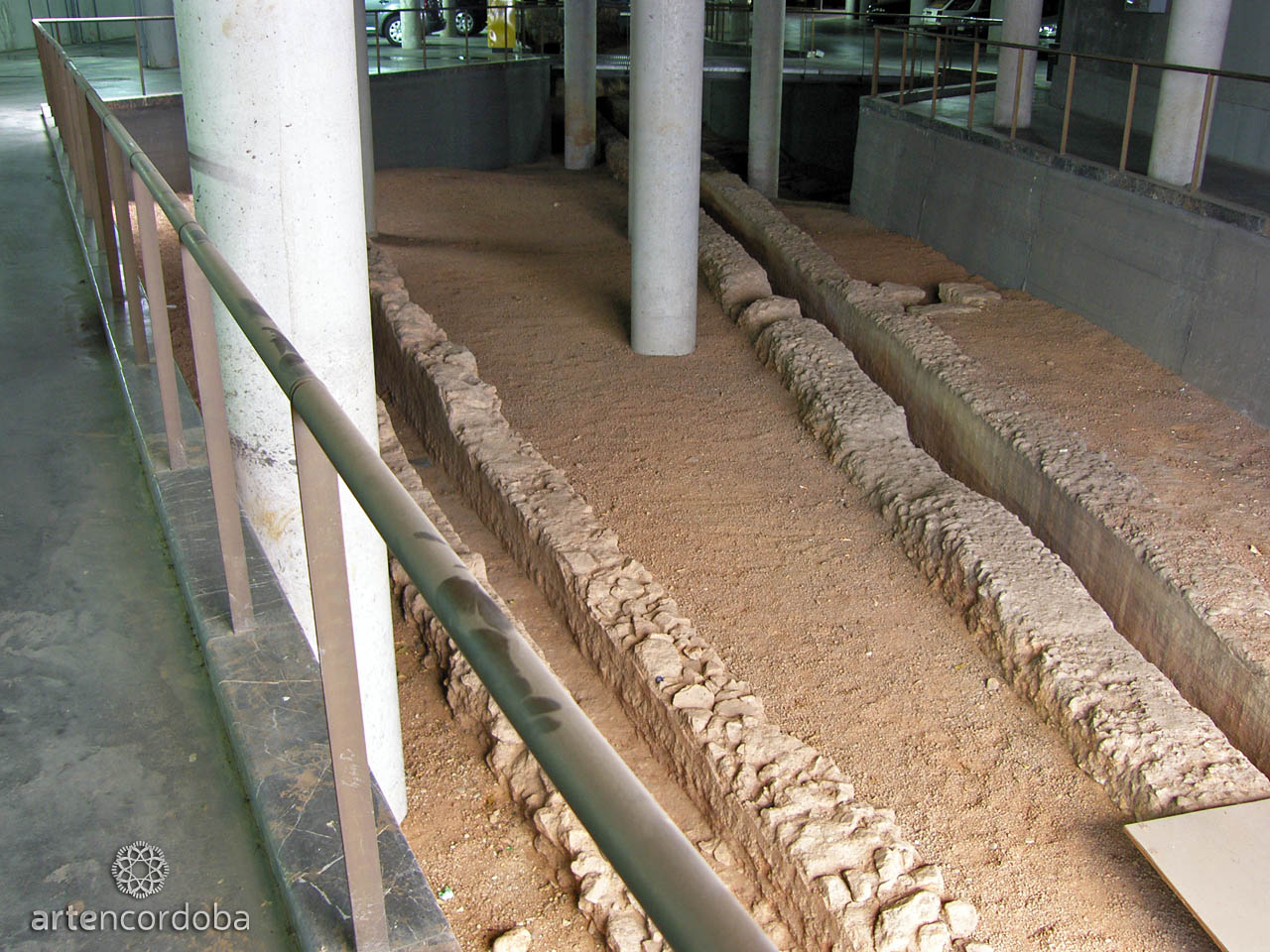
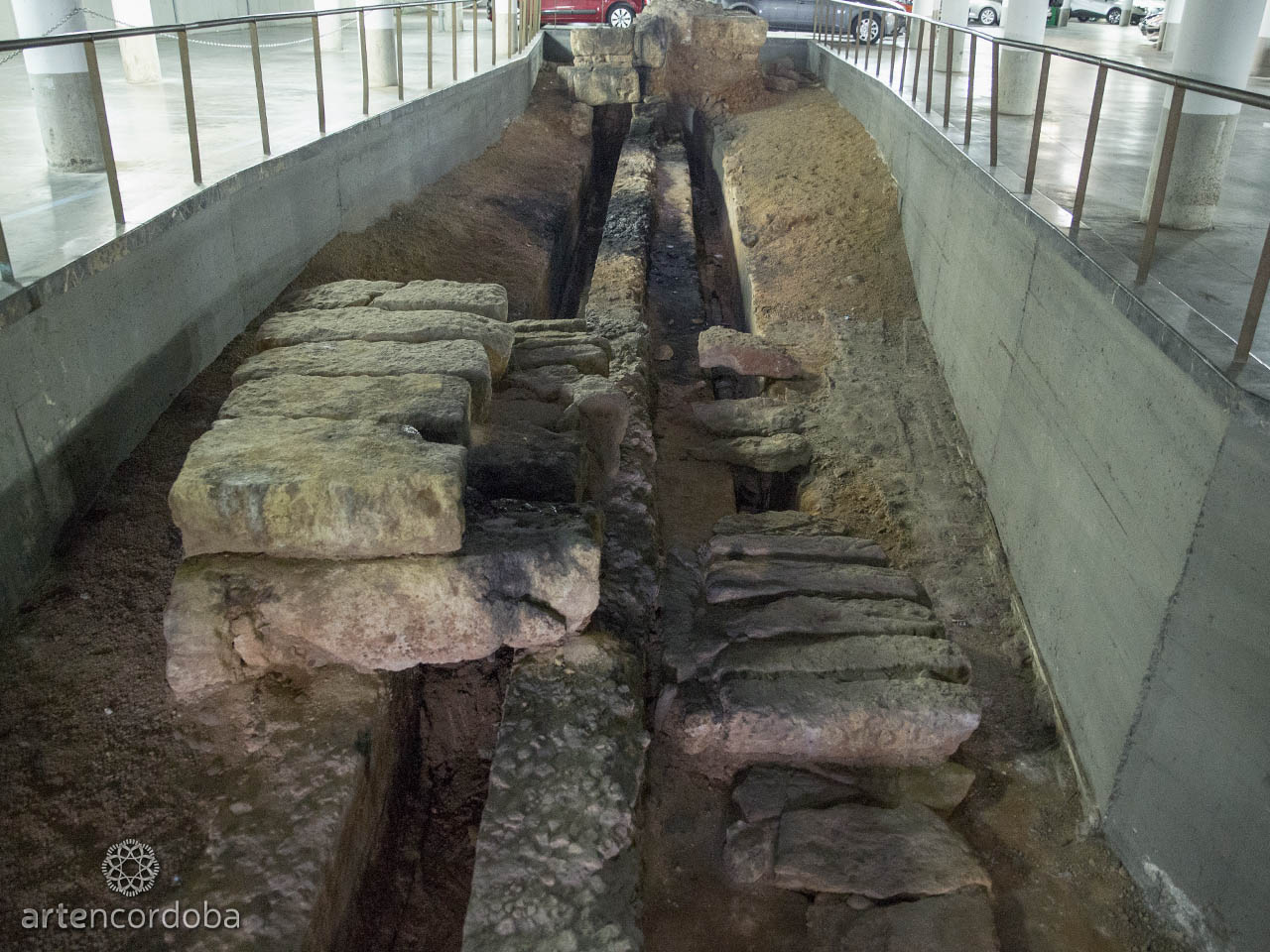
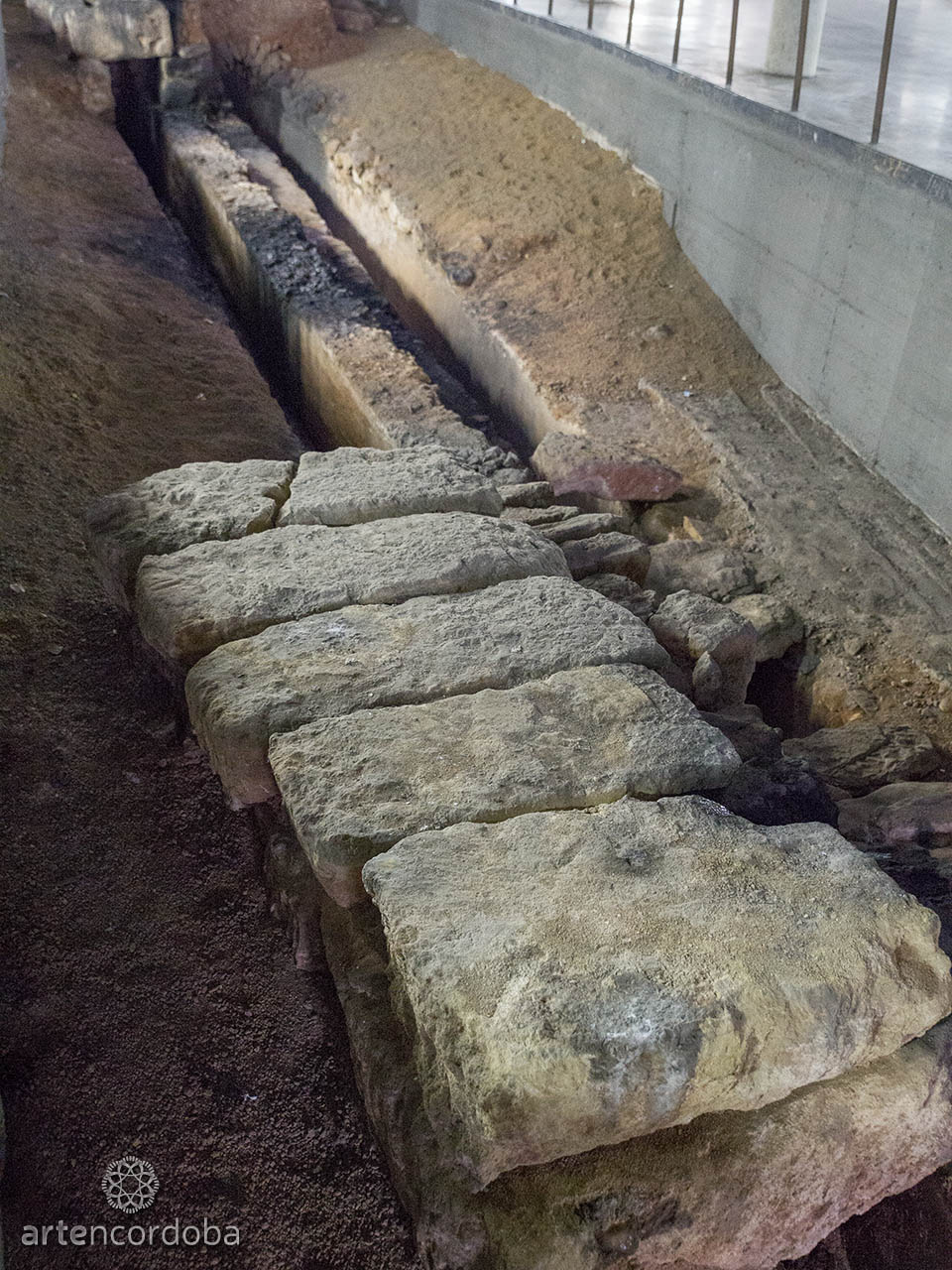
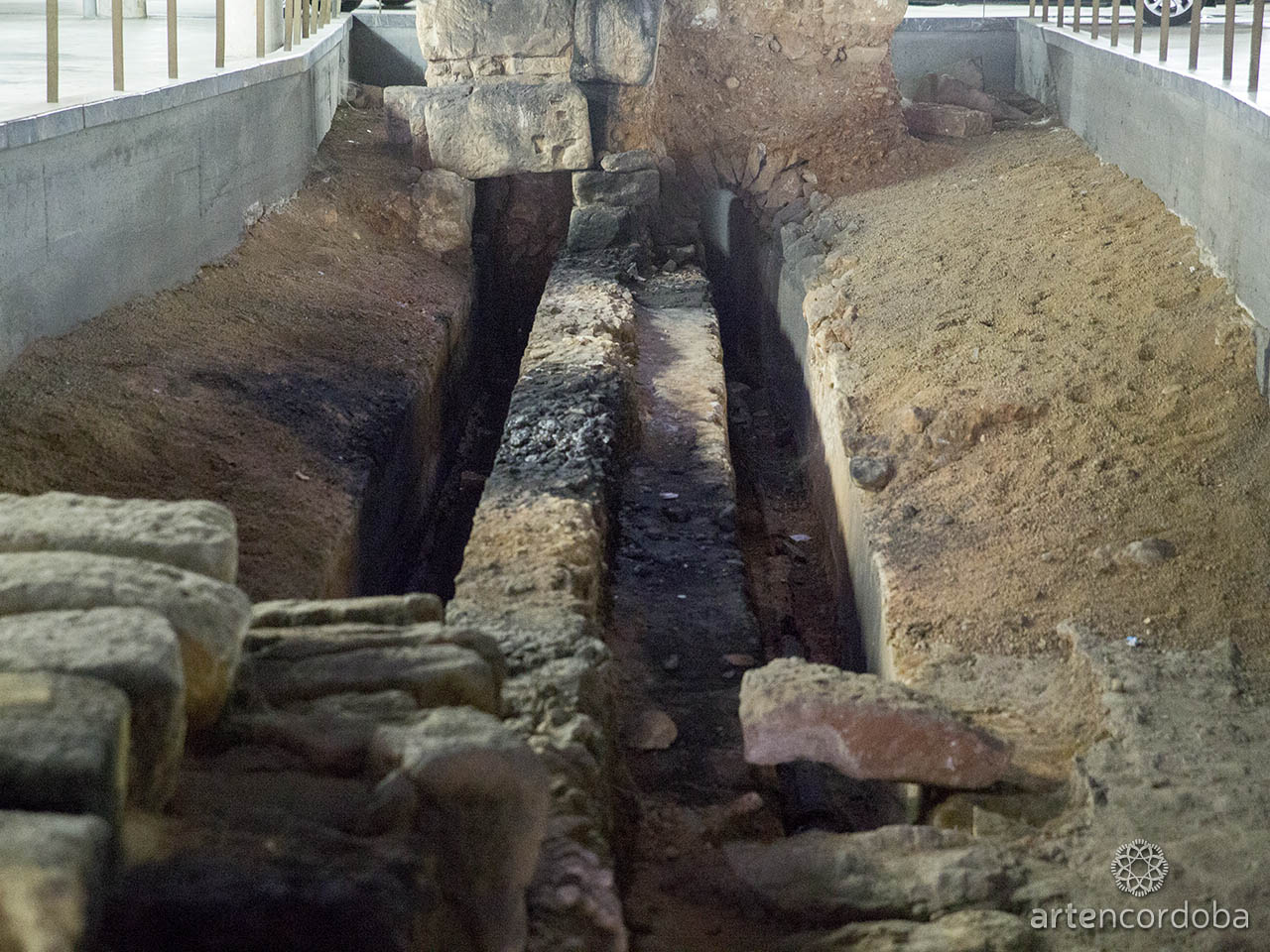
Although the city’s needs seemed to be covered by the two aqueducts, a third one is known to have been built between the 2nd and 3rd centuries AD. Its construction appears to be linked to the residential areas located outside the city walls, as well as to various public buildings, among which the Palatial Complex of Maximianus Herculeus (Cercadilla), located a few meters from the remains found, may be included.
We do not know the name it originally received, due to the absence of epigraphic remains, although it is currently known as the Bus Station Aqueduct, since that is where the remains have been located since their inauguration in October 1998.
Guided tours and Roman Córdoba
If you are not sure what to do in Córdoba, we recommend discovering Roman Córdoba by booking one of our guided tours. There, we will dedicate a special chapter to the aqueducts. Choose to do quality tourism with qualified staff—don’t hesitate, ArtenCórdoba is the best option.
Text: J.A.S.C.