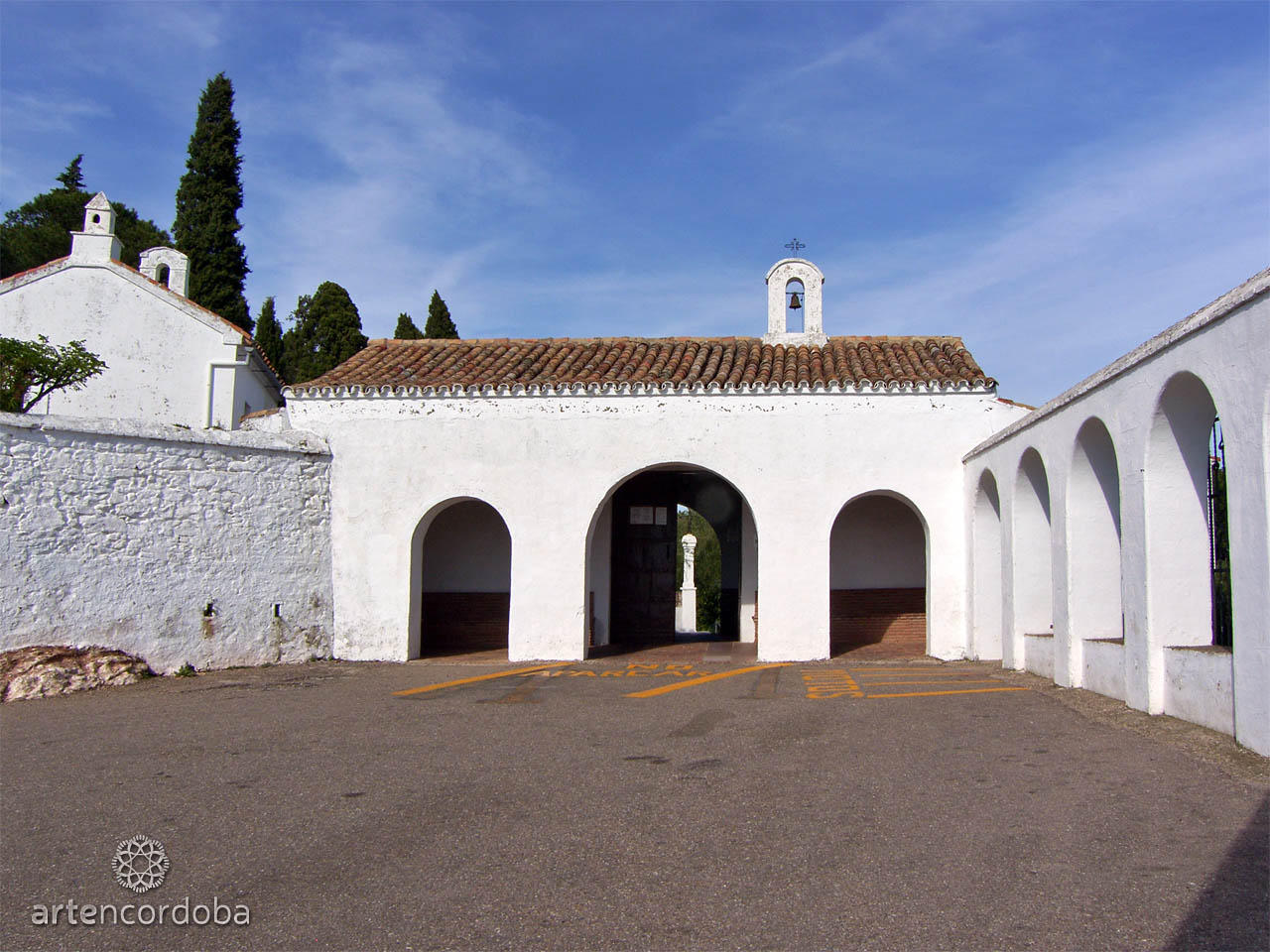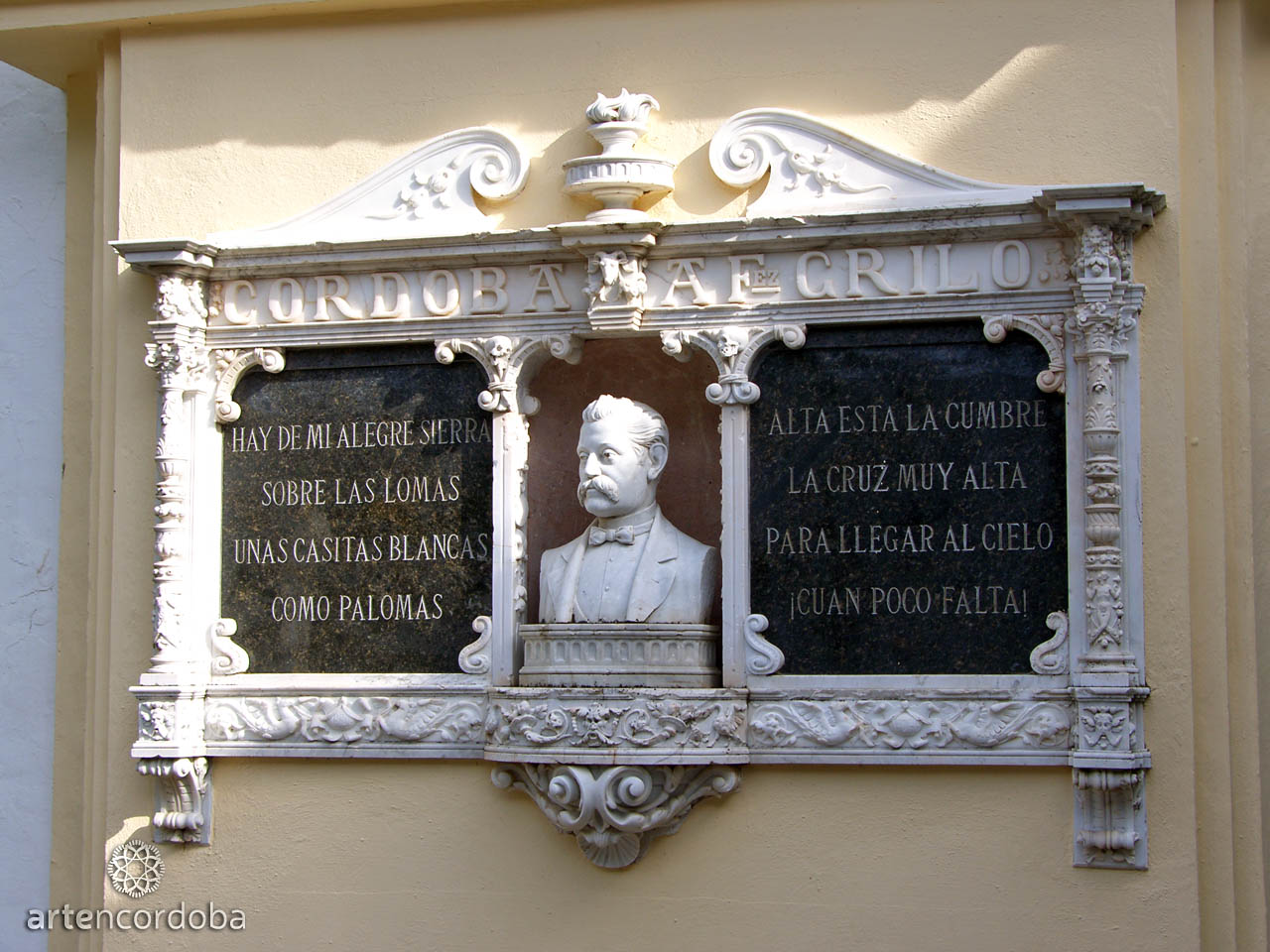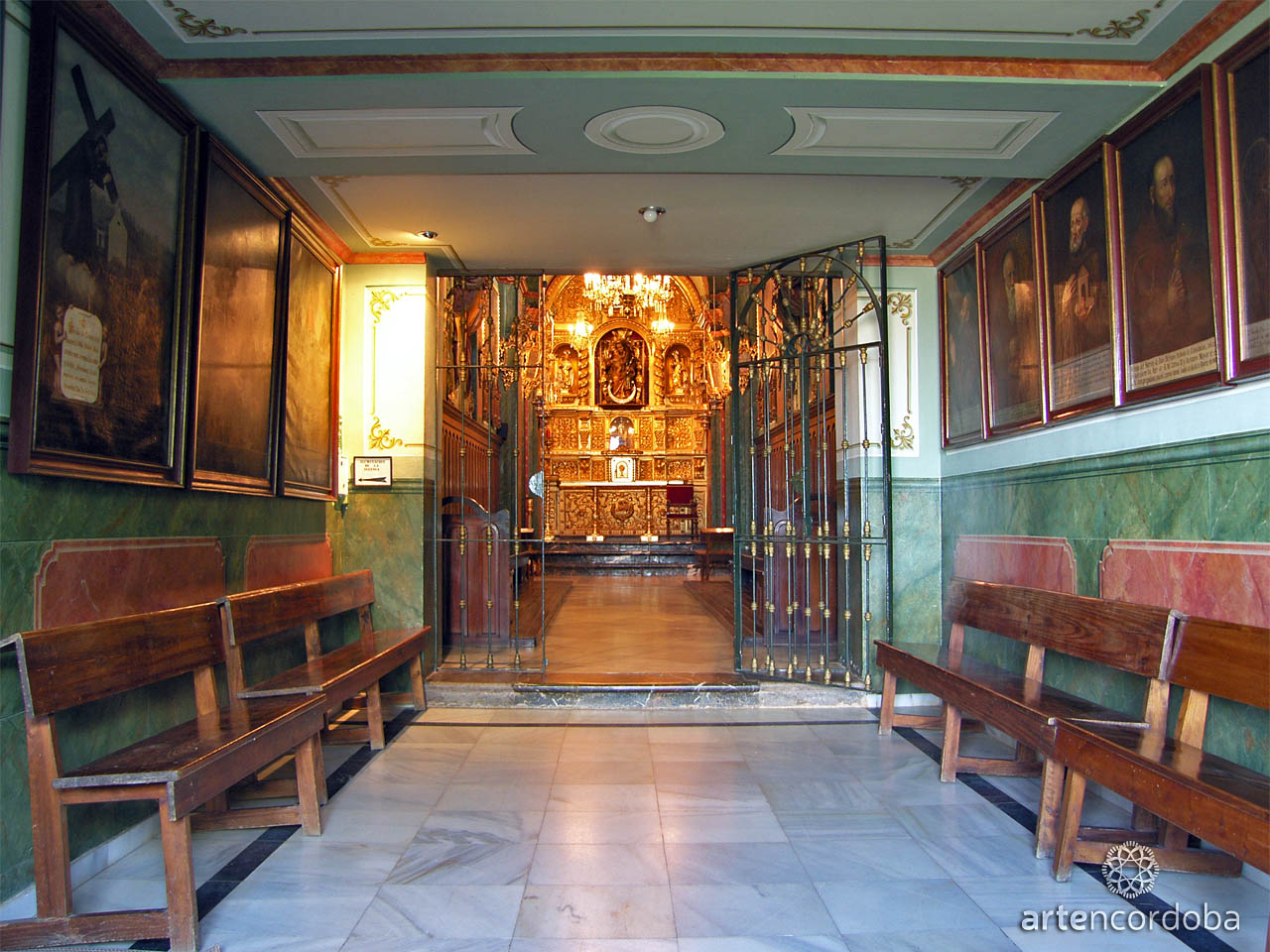






Above the old gateway to the Hermitages of Córdoba, a brief inscription summarizes in just two words what the visitor will experience during their visit: “Blessed Solitude“. As soon as you enter, in the entrance hall, some inscriptions invite reflection: “Stop in your tracks and take note / that this place invites you / to die in life / in order to live in death“.
Panoramas and surroundings of the Hermitages
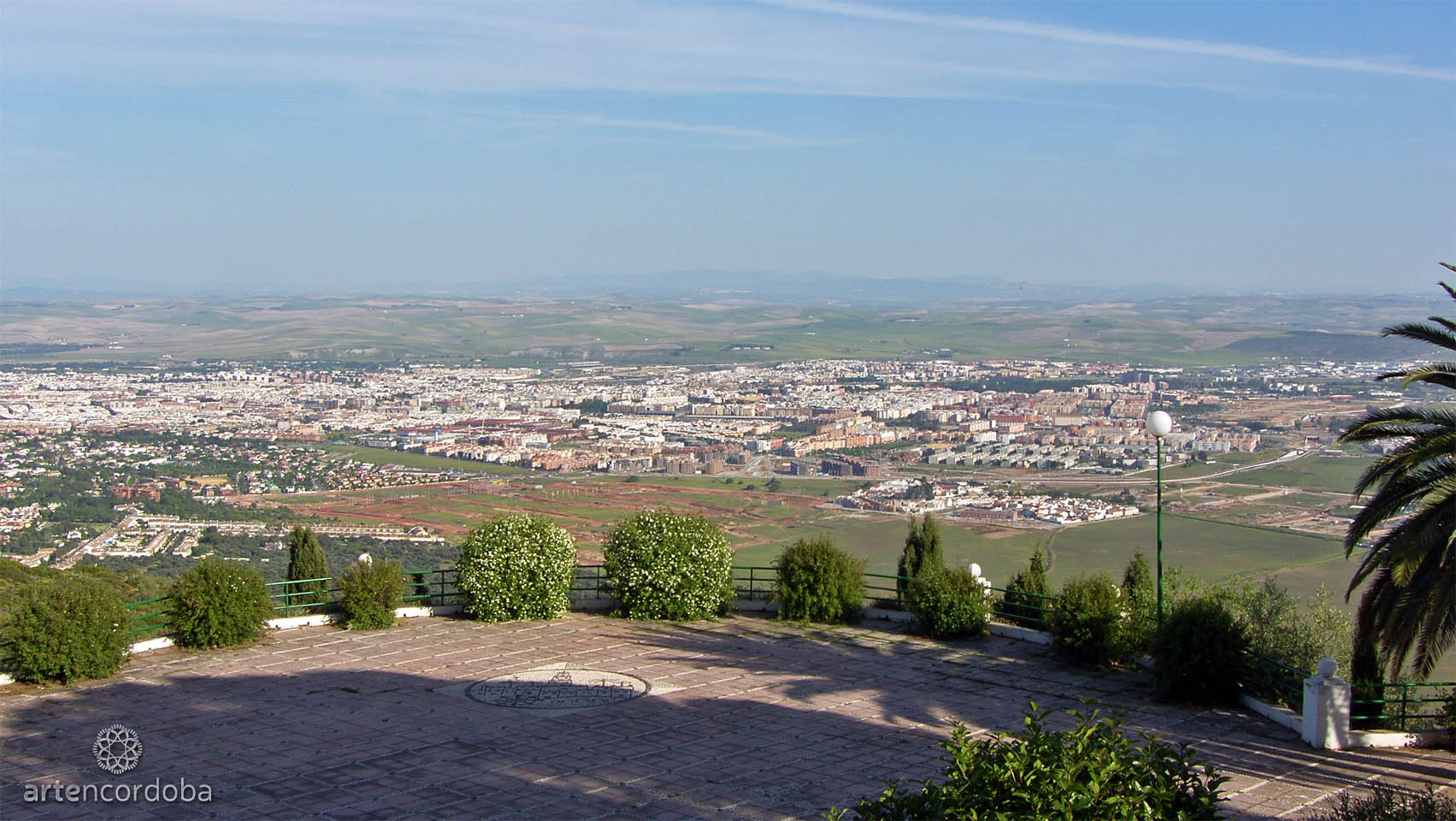
If we ascend to the Hermitages, we can see the entire city of Córdoba from the “Balcony of the World“.
The hermits who, from the early 18th century, occupied this hermitage-filled desert, thanks to the donation of the land by Cardinal Salazar, disappeared from this place in 1958, when their religious model declined, and the last of them, Juan Vicente de la Madre de Dios, died that same year. It was at this time that the bishopric decided to hand the grounds over to the Discalced Carmelites, the religious order closest to this way of life.
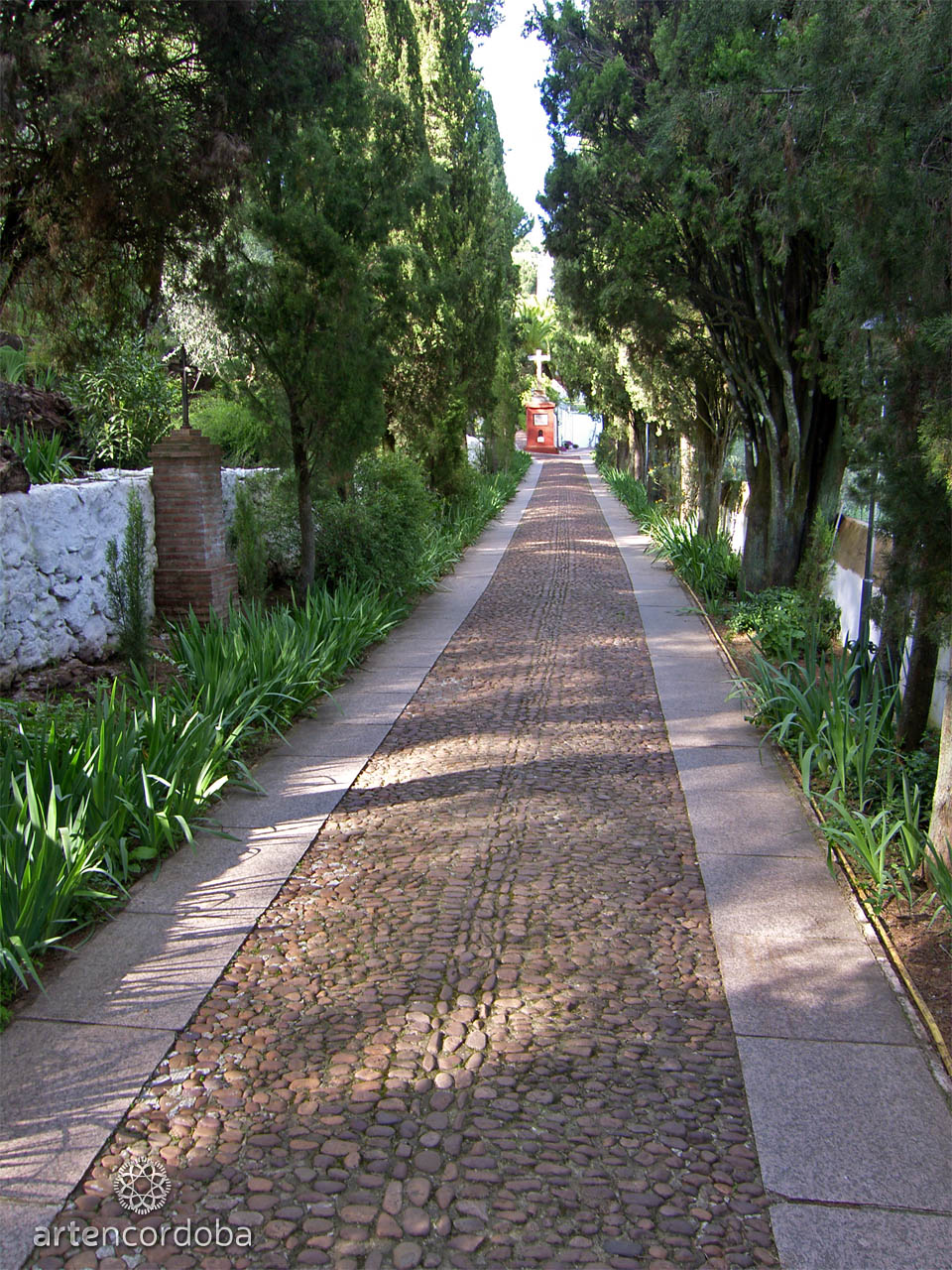
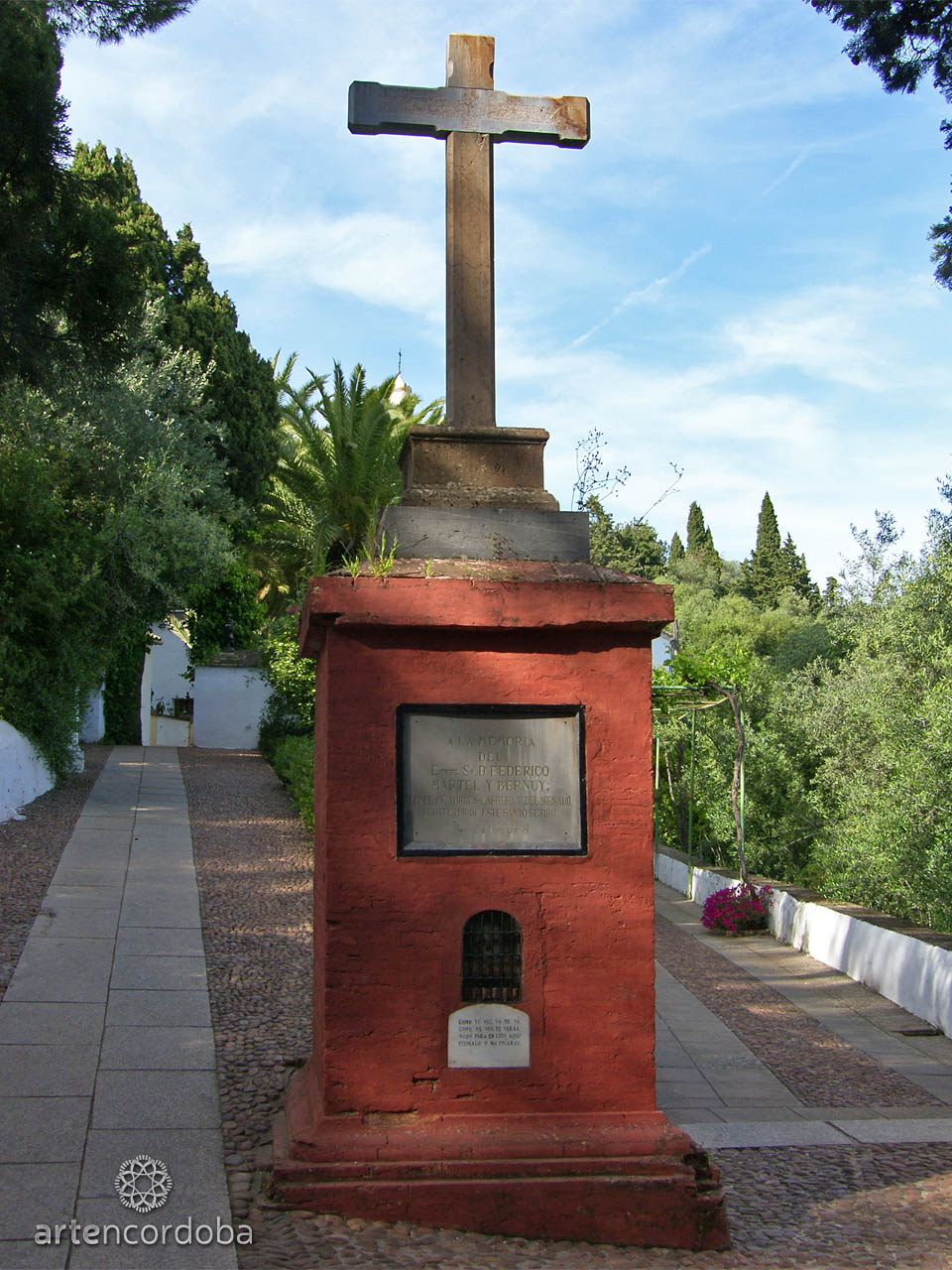
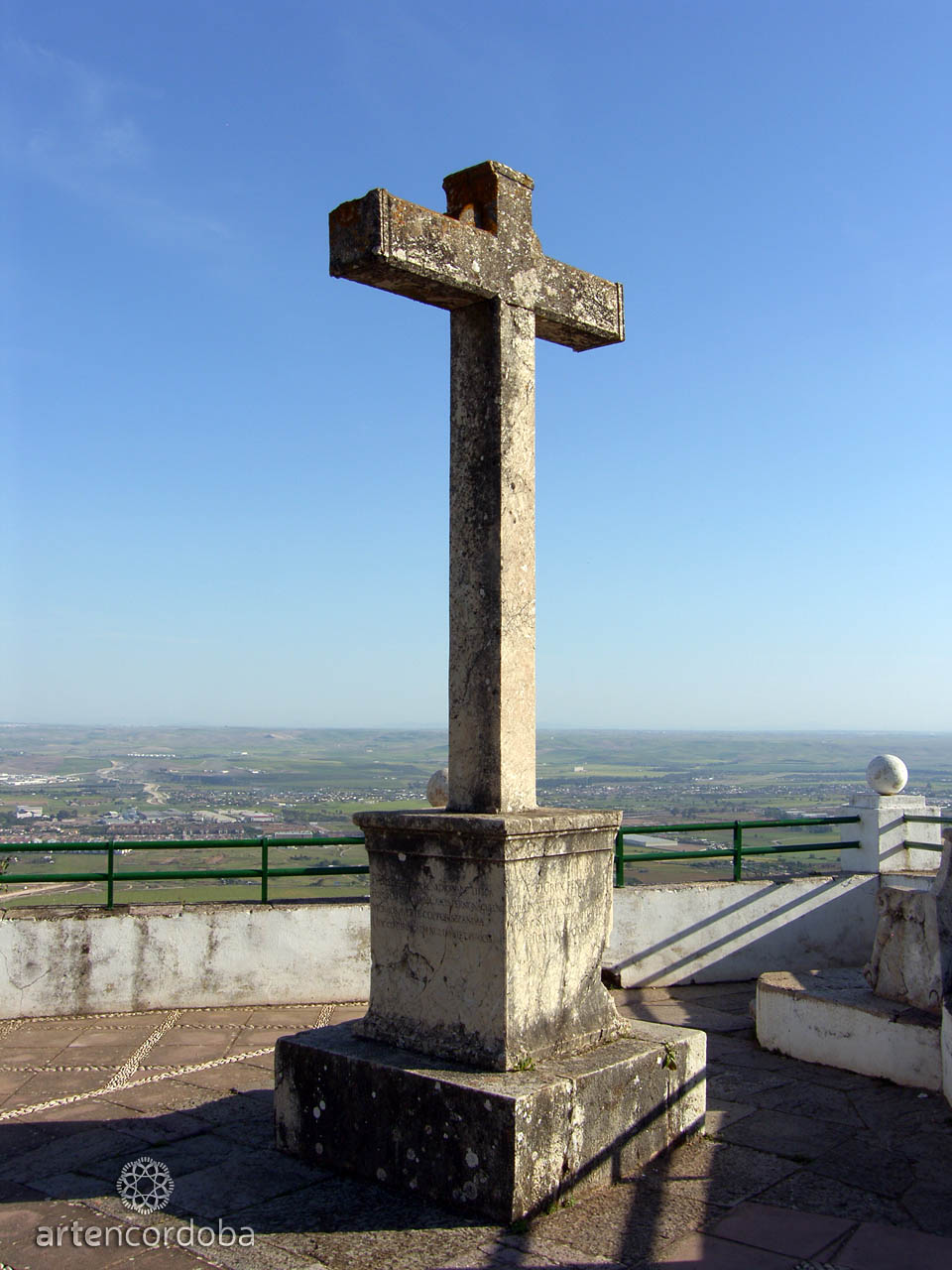
But the memory of the hermits, though absent, remains in the place, encouraged by eschatological texts and the peace of the cemetery, inspired by its tall cypresses pointing skyward. A cobbled path, called the Cypresses Path, gently leads us to the hermitages. At the end of the trail, a red brick plinth serves as the base for the simple Cross of the Humilladero, erected “in memory of the Hon. Mr. Federico Martel de Bernuy, Count of Torres-Cabrera, and the mentioned one, protector of this holy retreat“. Beneath the plaque is a small niche that houses a skull along with an inscription that reads: “As you see yourself, I once saw myself; / as you see me, so shall you be. / All ends like this here. / Think about it and you shall not sin“.
The hermitages and the church
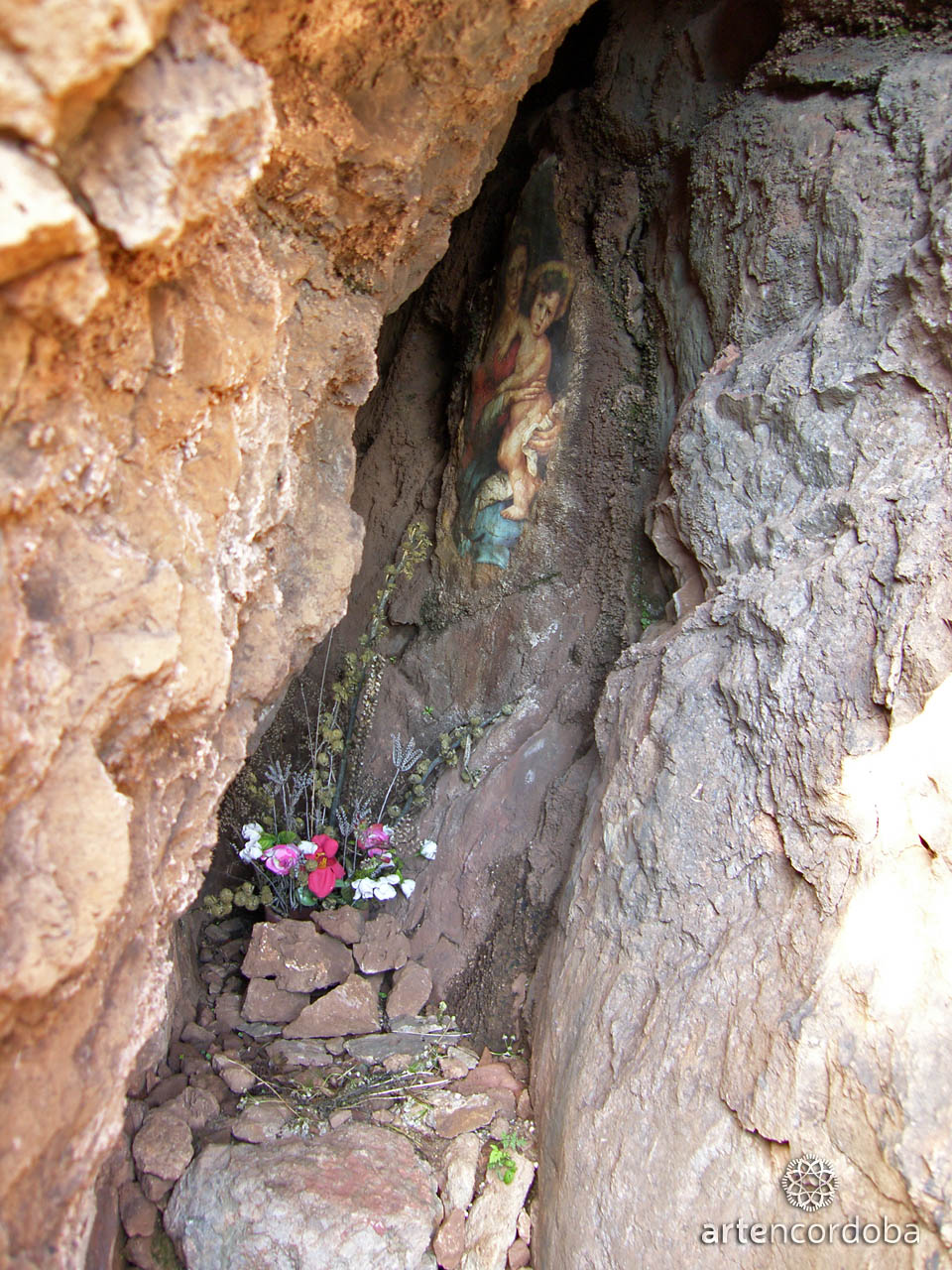
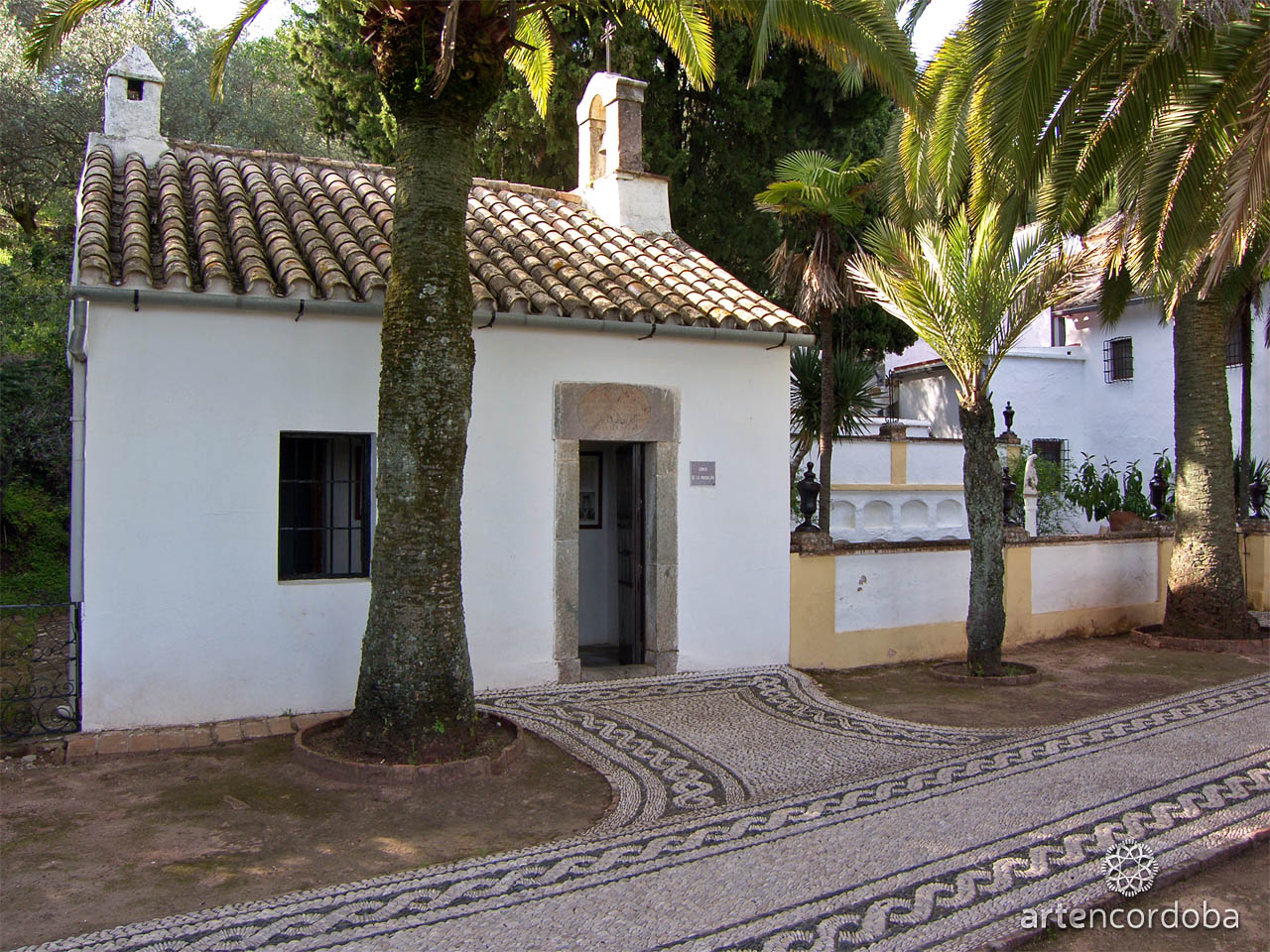
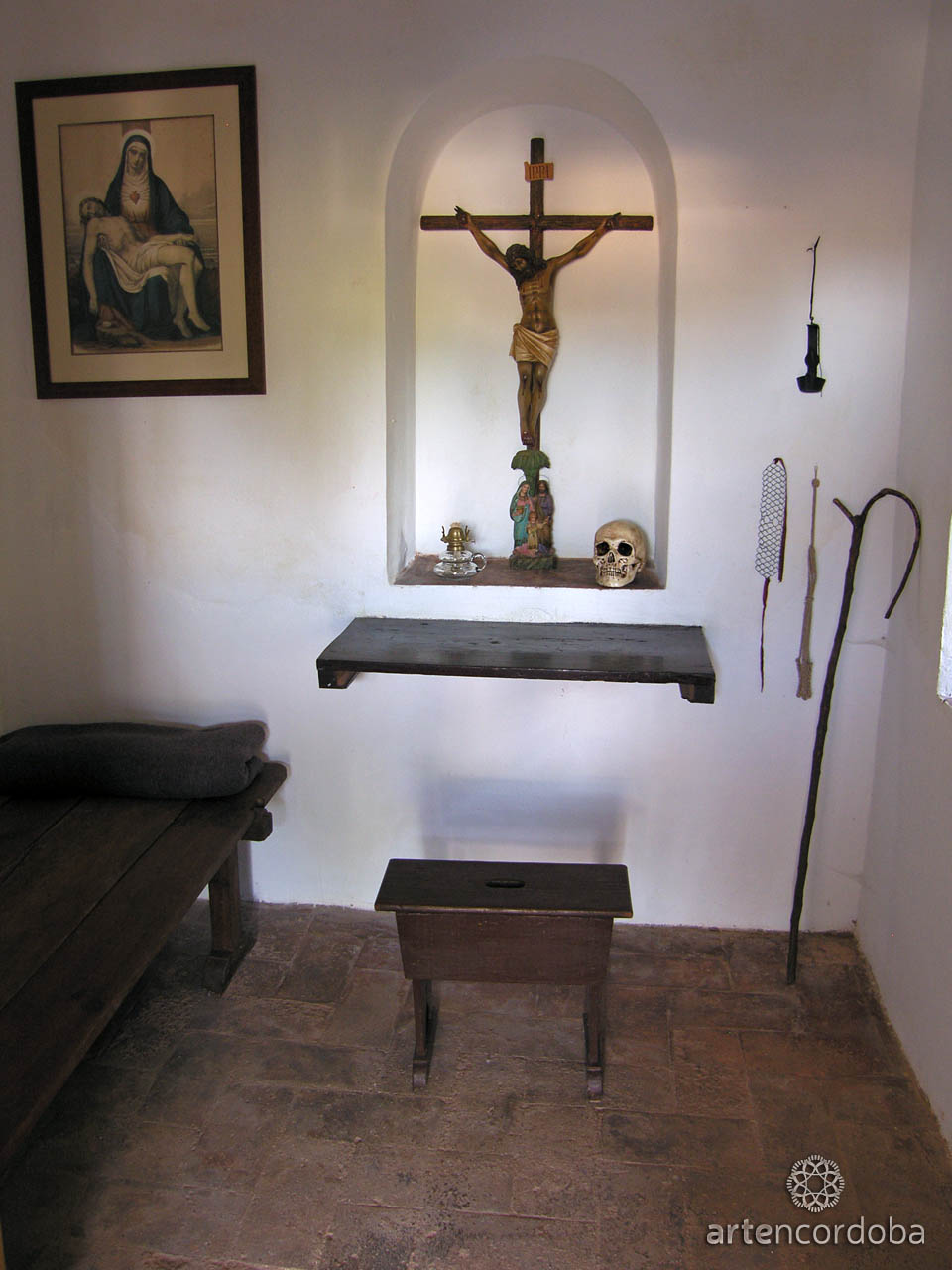
Before arriving at the church, a large plain filled with palm trees draws attention, in which the Hermitage of Magdalena stands out, built in the year 1798 “by devotion and at the expense of the Hon. Duke of Arión“, according to an inscription. It still preserves the staff and bed of its last inhabitant, as well as other objects used by the hermits. The hermitage contains twelve niches, which, once occupied, were sealed and finally whitewashed without placing any name. It is surprising that there is always one open niche, waiting to be occupied by another deceased.
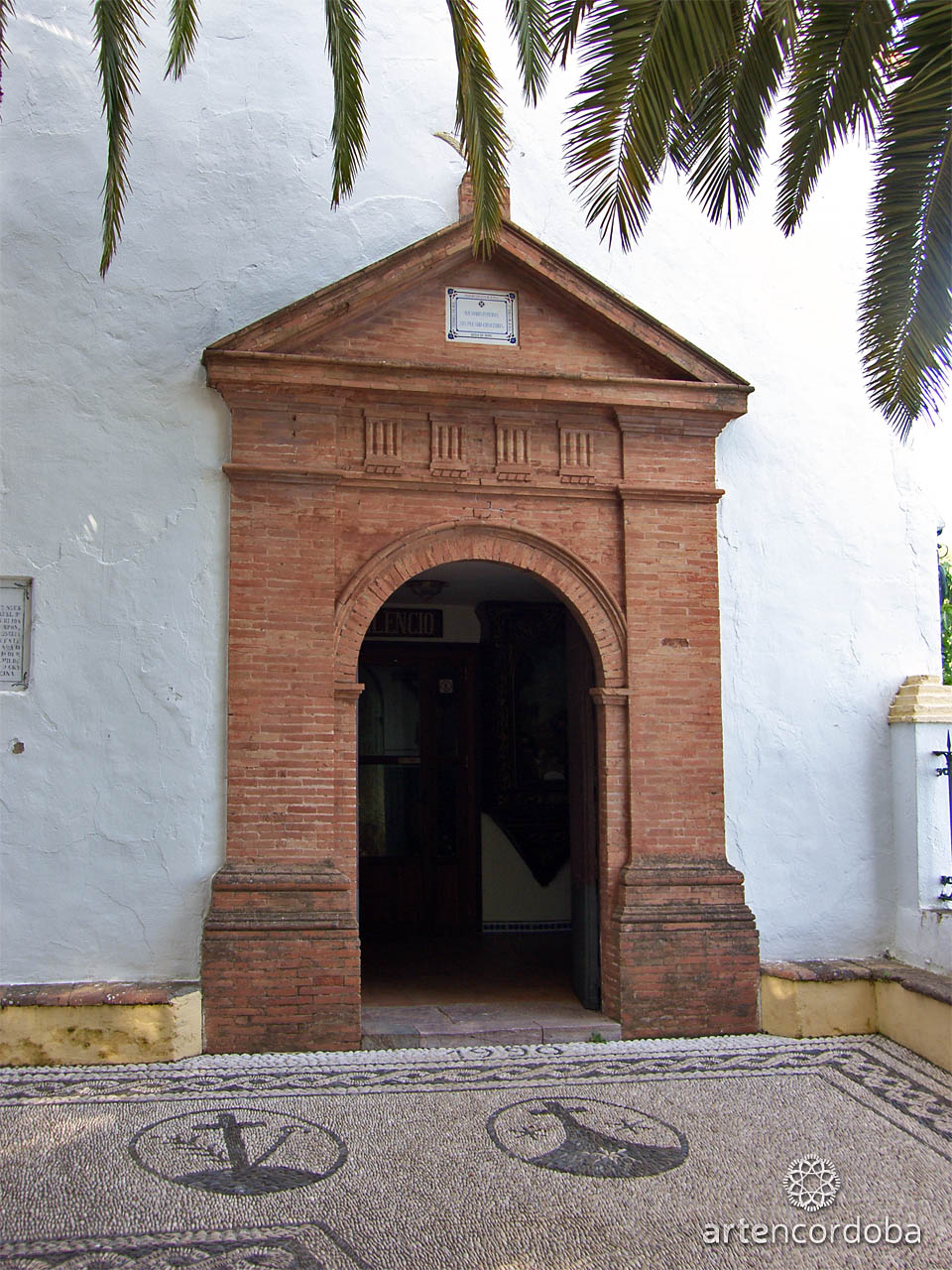
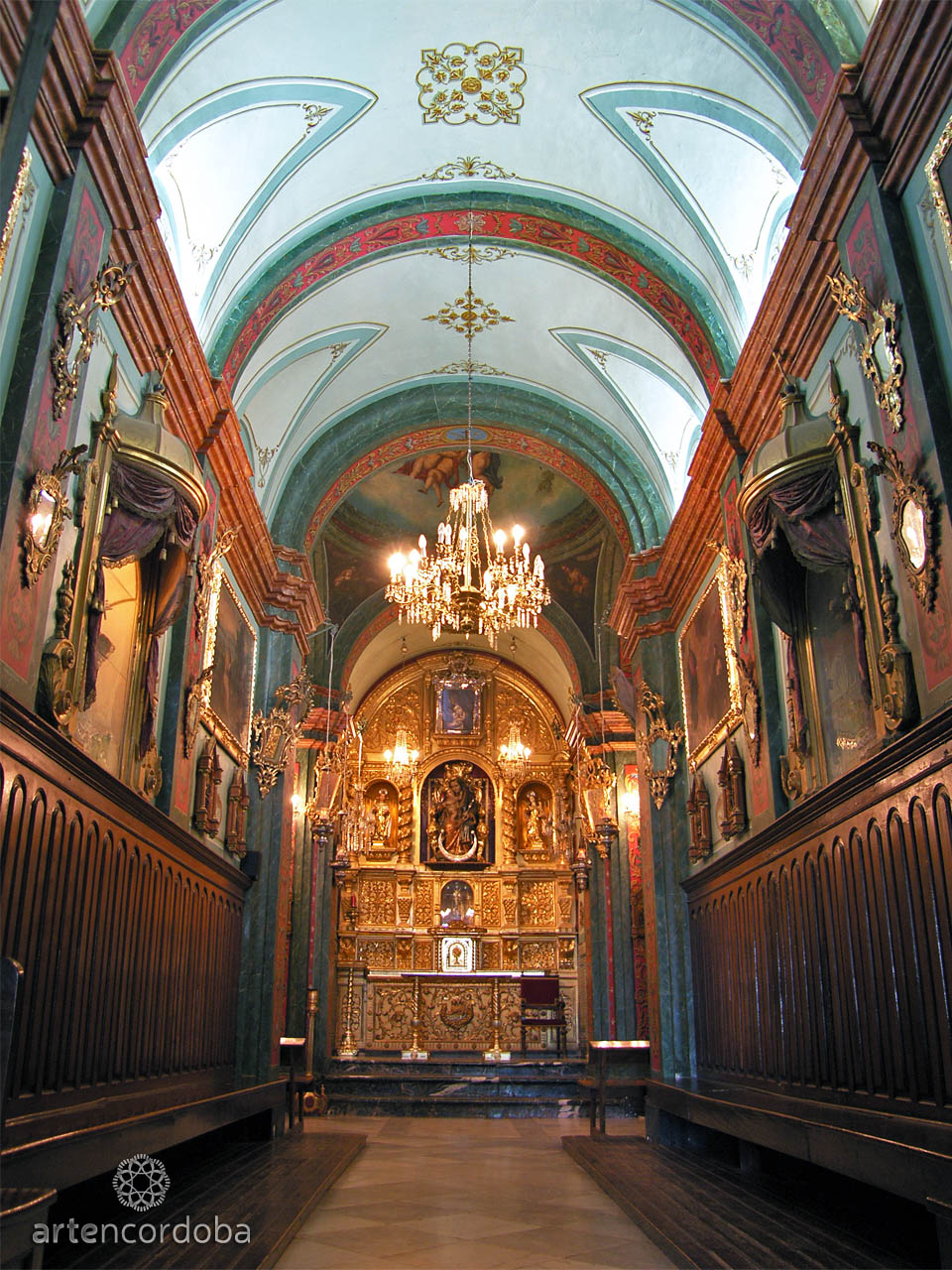
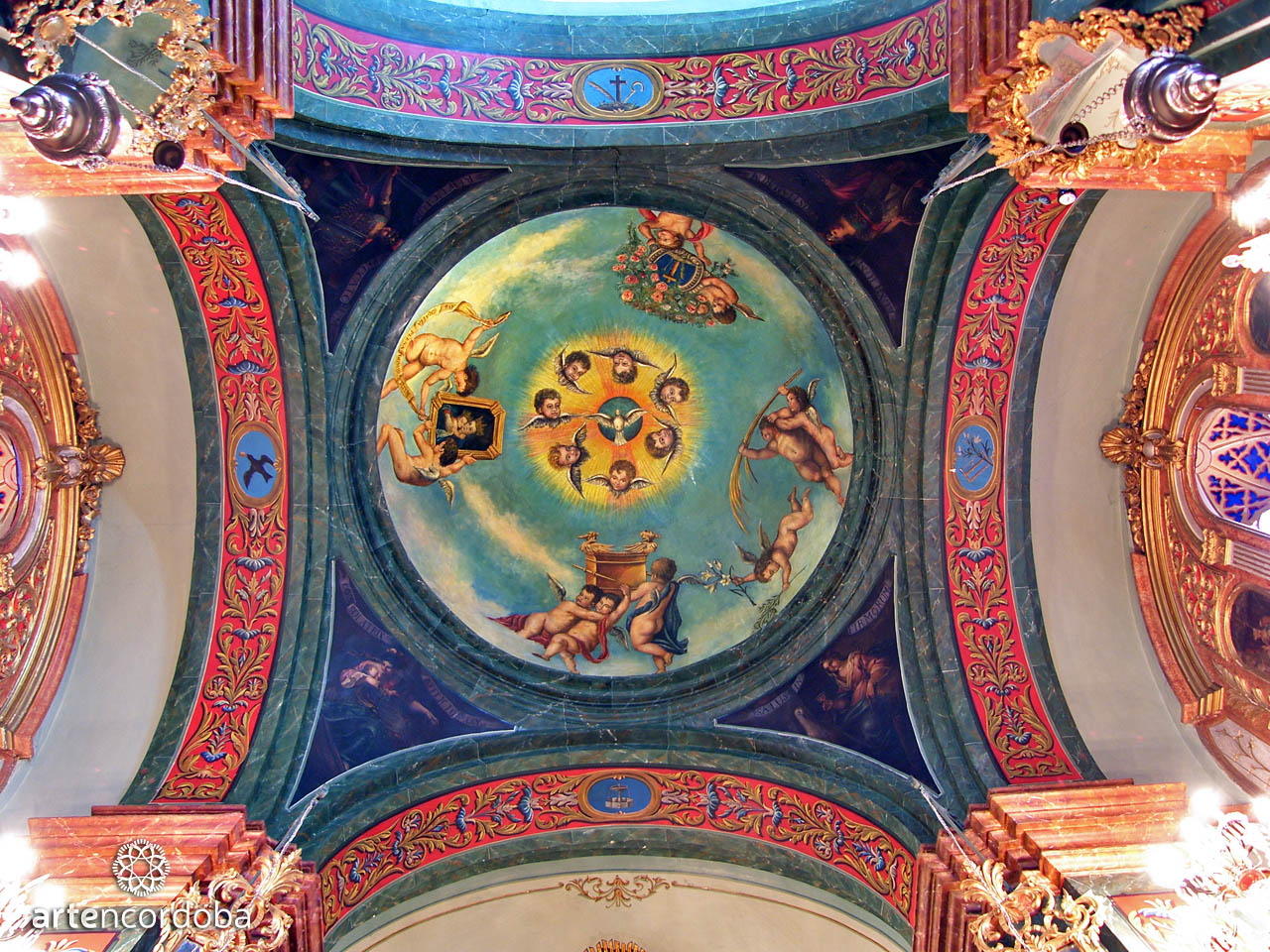
“Silence” is the calling card of the humble yet attractive church, whose façade features simple neoclassical lines. It has a small Latin cross floor plan, with a dome on pendentives and marble flooring. The church has three altars; the Main Altar, from the early 19th century, replaces an older one that was destroyed in a fire, and is presided over by a Virgin of Bethlehem, a half-length image holding the Child. On either side of the transept are two more altars, one dedicated to Saint Paul and Saint Anthony the Abbot, and the other to Saint Joseph. Behind the head of the church is the room used by the hermits as the Chapter Room, which houses a beautiful niche with the image of the Virgin of the Victories.
The Balcony of the World and the Sacred Heart
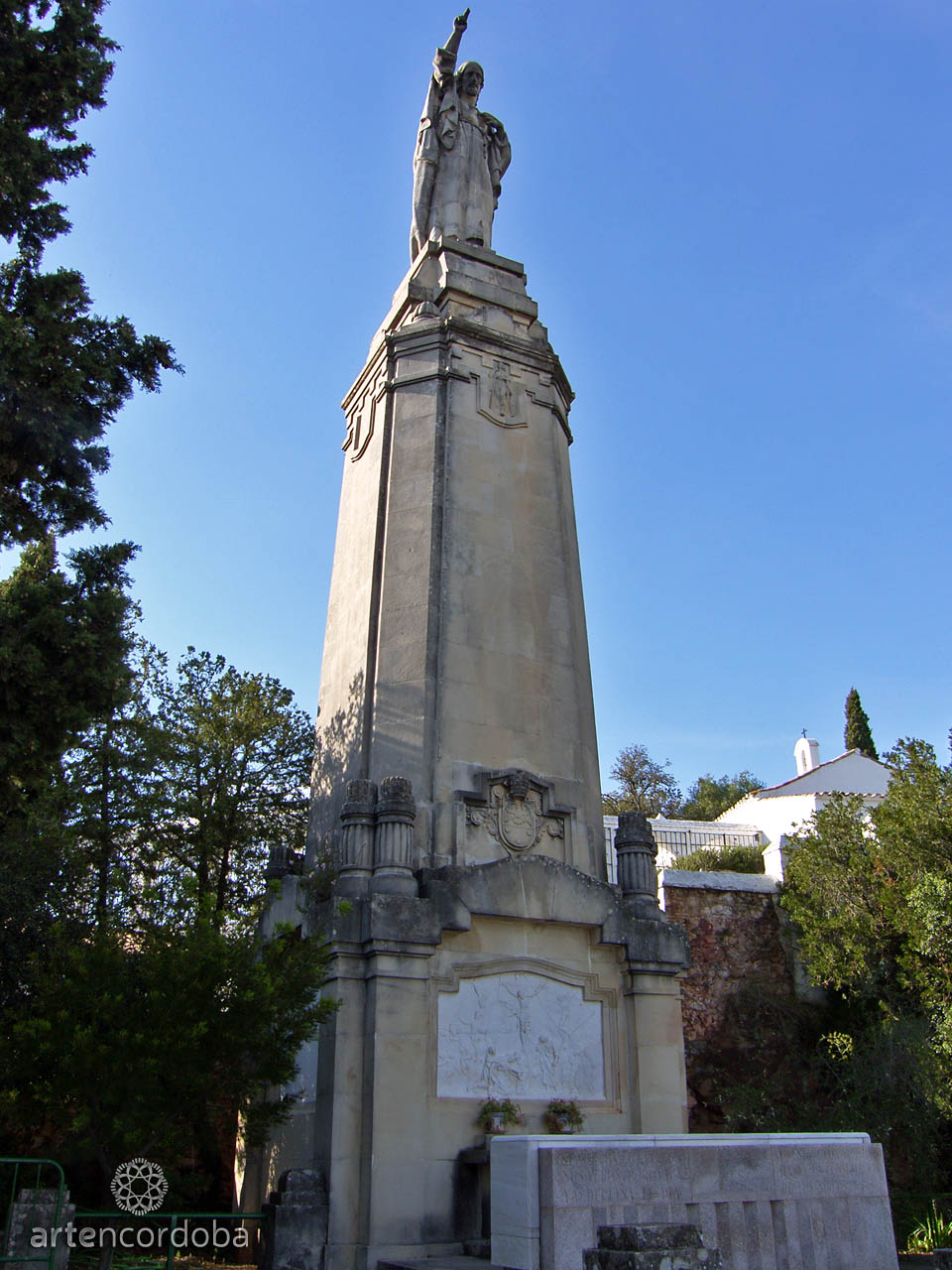
The Heart of Jesus of the Hermitages can be seen on the mountainside from any point in Córdoba.
Upon leaving, we descend a gentle slope until we reach another plain, known as the Balcony of the World, a magnificent viewpoint encompassing the entire city—undoubtedly one of the best views of Córdoba. A colossal statue on a grand pedestal dominates the place: the Monument to the Sacred Heart of Jesus, sculpted in 1929 by the Sevillian sculptor Lorenzo Coullaut Valera.
Near the grounds, to the right, we find a steep cliff popularly known as the “Wolves’ Slide“, where there is a large white stone cross on a pedestal. Next to it, it is surprising to see an armchair also carved in stone, commissioned in 1803 by Don Pedro Antonio de Trevilla, who would later become bishop of Córdoba between 1805 and 1832—a bishop remembered for banning the celebration of Holy Week processions for several years. Returning to the chair in question, it is known as the “Bishop’s Chair” for obvious reasons. Tradition says that marriageable young women would sit in it in hopes of finding a future husband.
What to visit in Córdoba
If you’re wondering what to visit in Córdoba, a good option would be the hermitages, by choosing one of our guided tours. Choosing to do quality tourism means choosing ArtenCórdoba.
Text: J.A.S.C.