





We will begin our analysis of the Living Museum of Al-Andalus by discussing the building that houses it, none other than the Calahorra Tower.
Few studies agree on the origin of the tower; however, many scholars believe it has an Arab origin, later repurposed over the remains of an old coracha.
It is thought that the Calahorra originally consisted of two towers joined by an arch. During the reign of Enrique II of Trastámara, in the second half of the 14th century, it was expanded with a third tower, forming two new cylindrical structures and resulting in a cross-shaped layout with three short arms.
The tower features a deep moat surrounding it as a defensive system, as well as numerous embrasures that once held cannons. Its top is crowned with a row of pyramidal merlons, giving it a rugged, fortress-like appearance. The rest of the facade is undecorated, except for two fine moldings in the upper third.
Inside, the tower is divided into three levels and consists of 14 small rooms, which, like the exterior, give a strong impression of a fortress. These rooms house the permanent exhibition dedicated to the three cultures that once inhabited our city.
The Calahorra Tower was both witness and protagonist of the famous Battle of the Field of Truth between King Pedro I the Cruel and his brother Enrique II. At the time, the city supported Enrique II, becoming a target for Pedro I’s vengeance. He entered the city with his troops through this very tower, aided by the Kings of Granada and Morocco, to whom he had promised great rewards.
Throughout its long history, the Calahorra Tower has served various purposes: it has been used as a school, a hospital, and even a prison. It is known that in the 18th century, Cordoban nobles and foreign soldiers from Cádiz were imprisoned here. At the end of the 18th century, during an epidemic of typhus in Córdoba, it was used to house the infected to prevent the spread of the disease.
The Museum
In 1987, the Córdoba City Council, on the initiative of French writer and professor Roger Garaudy, administratively ceded the Calahorra Tower to the foundation bearing his name to establish the Living Museum of Al-Andalus.
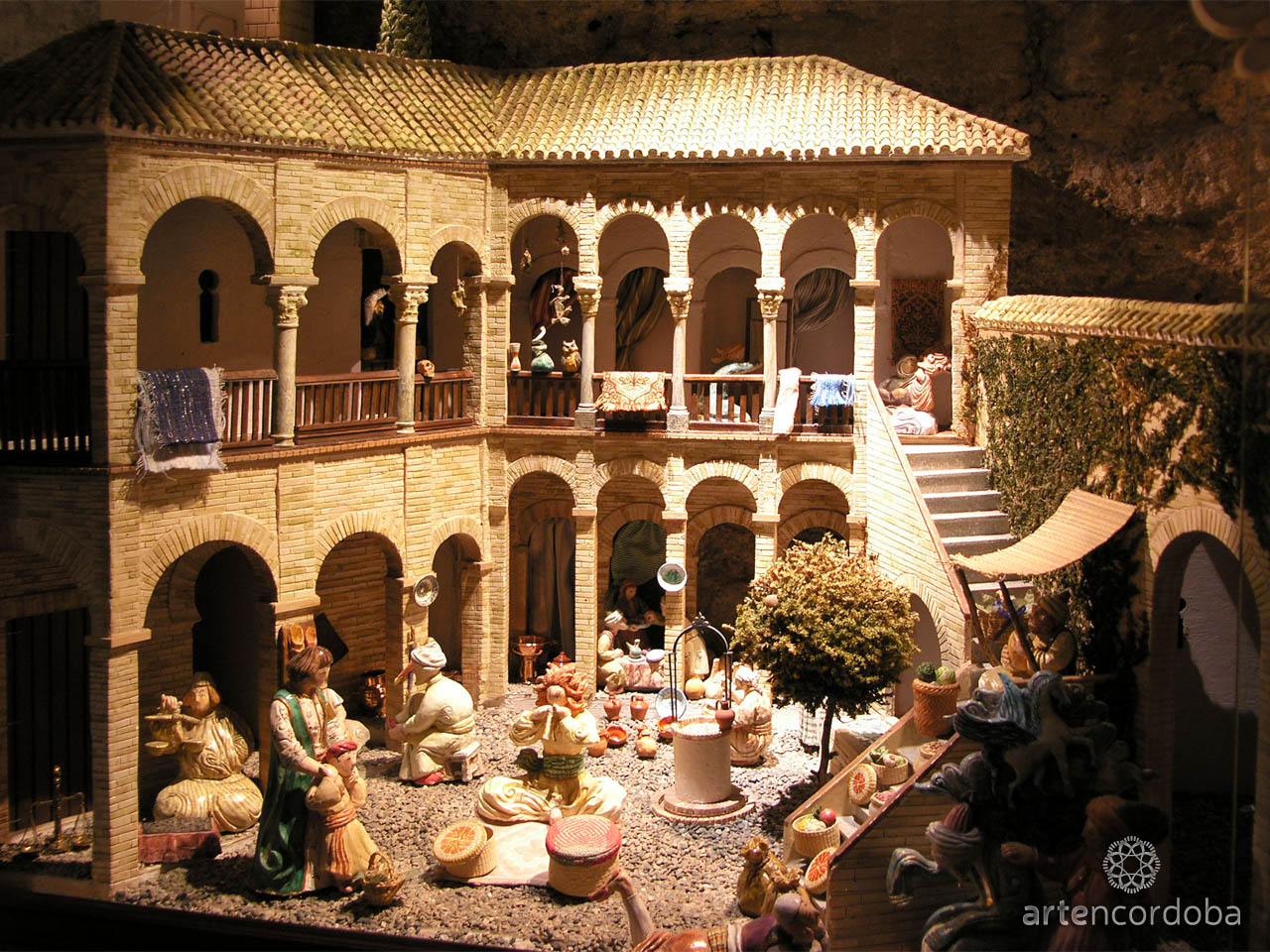
With the aim of showcasing the splendor of Córdoba and Al-Andalus between the 9th and 12th centuries, the Calahorra is now a three-story museum space that allows visitors—through themed rooms, modern devices, and free movement—a sensory journey into the key moments, milestones, and achievements that gave rise to a unique cultural symbiosis that enlightened the West.
The Museum Rooms
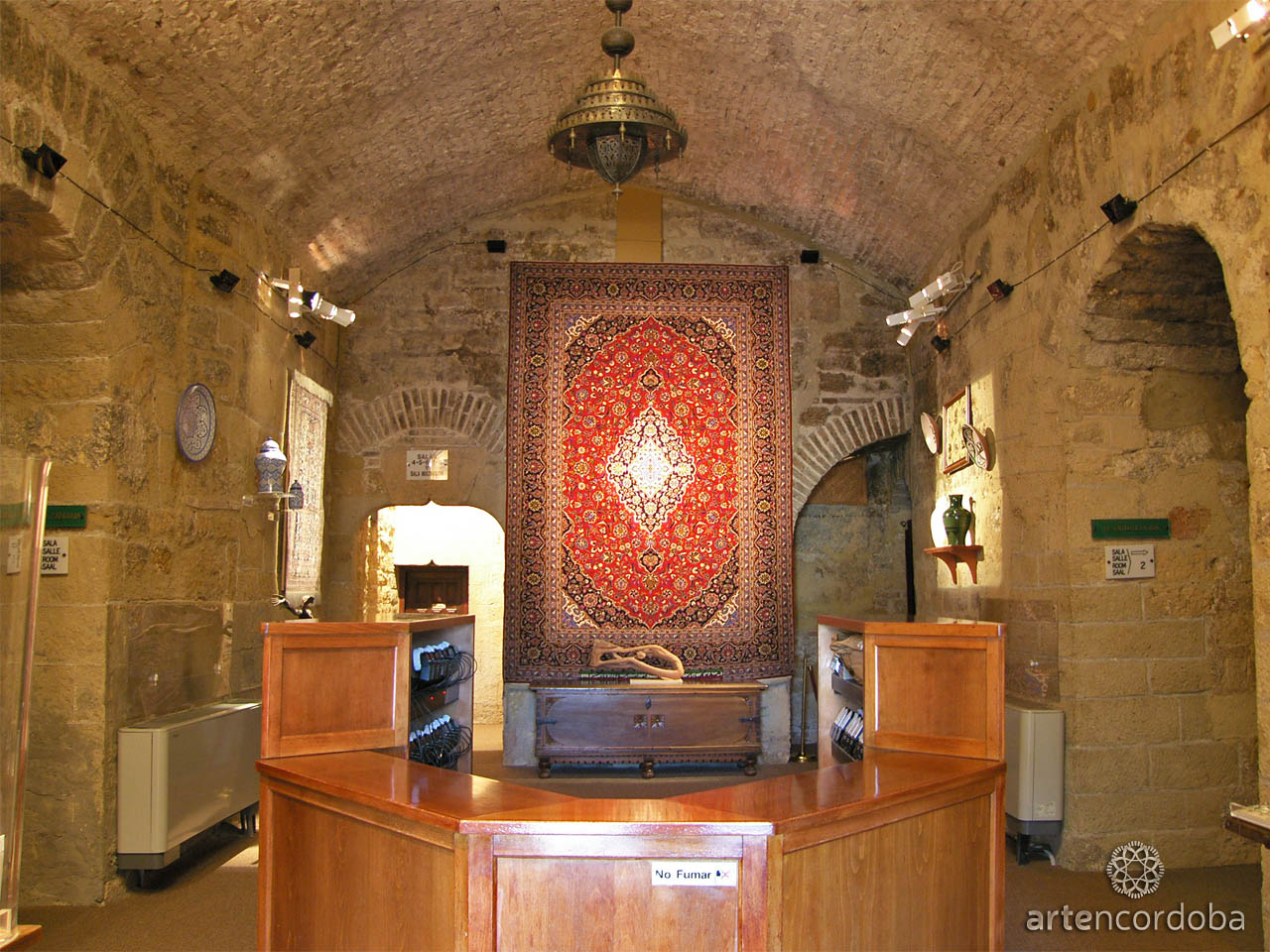
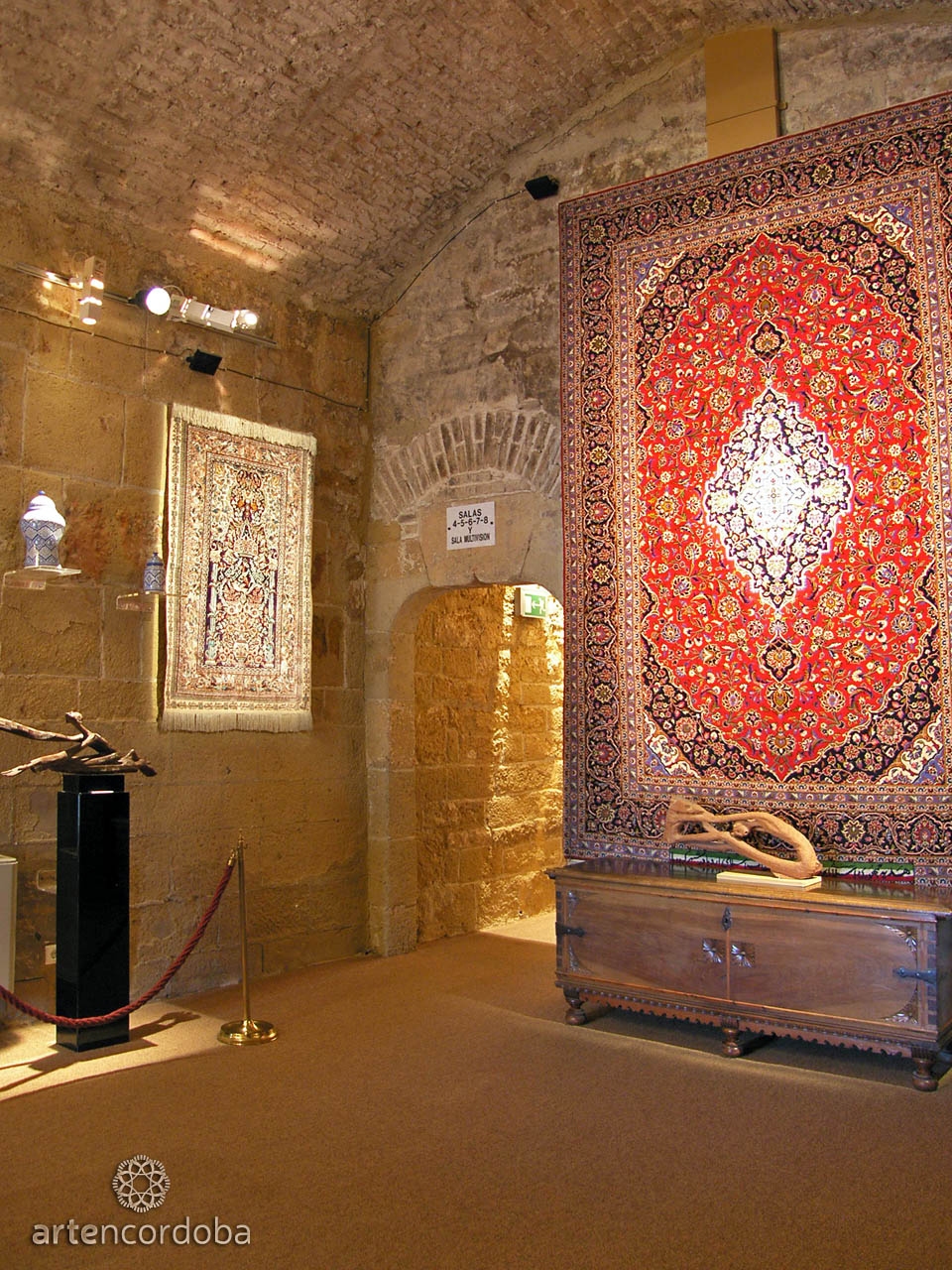
Room I: The Welcome
The first room of the Living Museum of Al-Andalus welcomes visitors into a historic, dreamlike place where the diverse cultures that lived and coexisted in our city speak a single language. The visit takes us through the period between the 9th and 13th centuries; Córdoba was then the largest city in Europe, where there was no division between wisdom and faith, between East and West. Here begins the true renaissance.
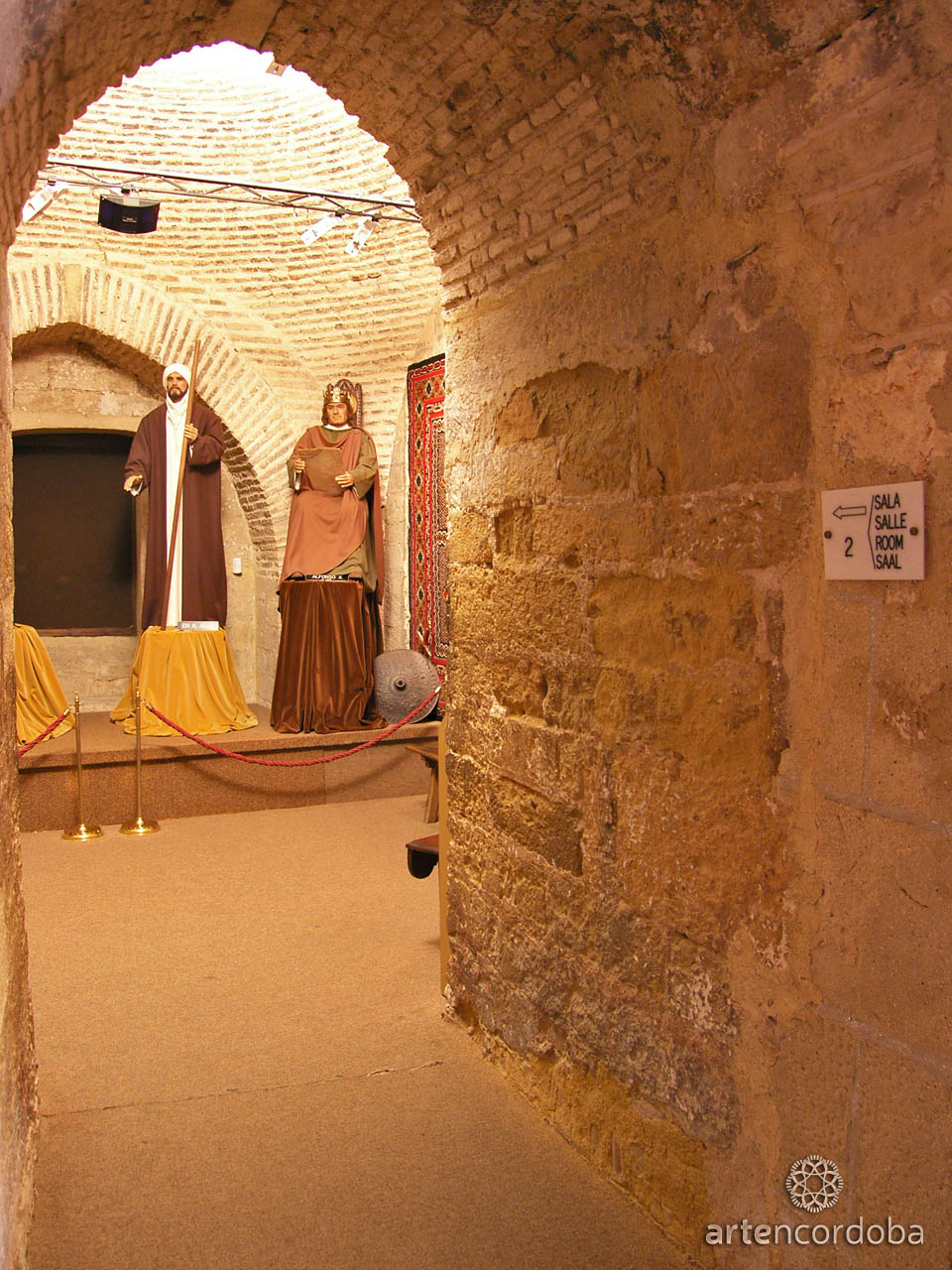
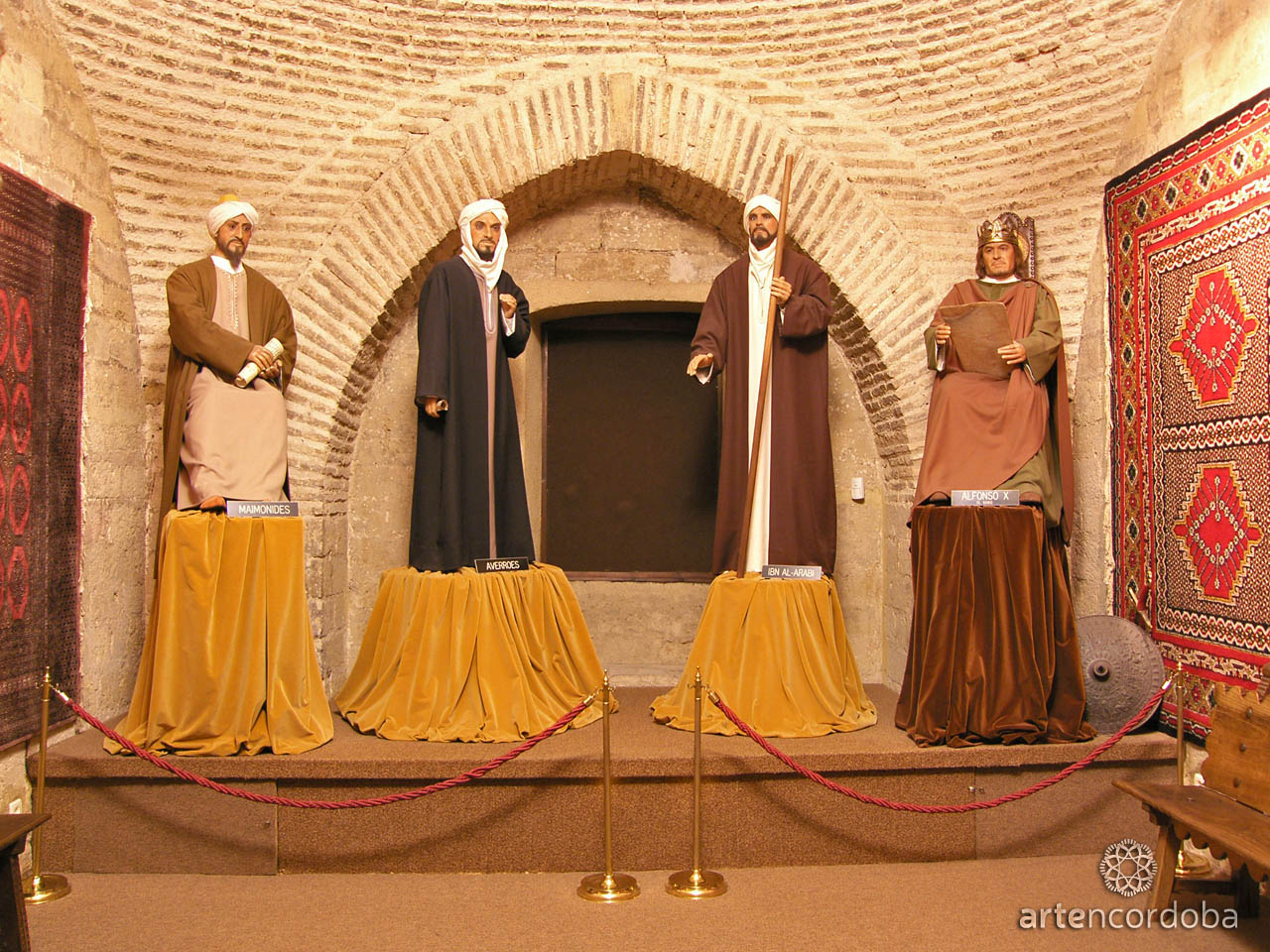
Room II: The Philosophers
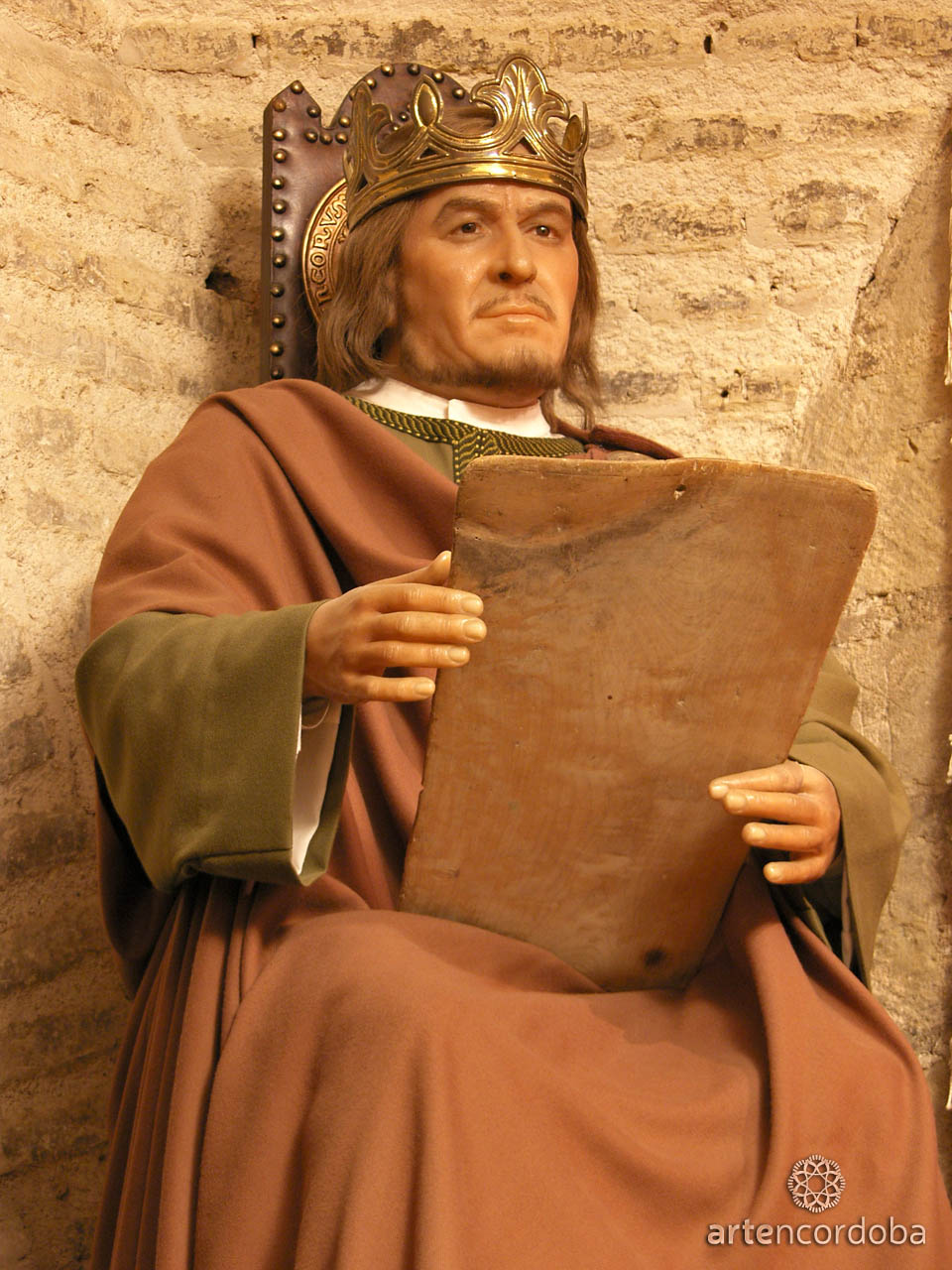
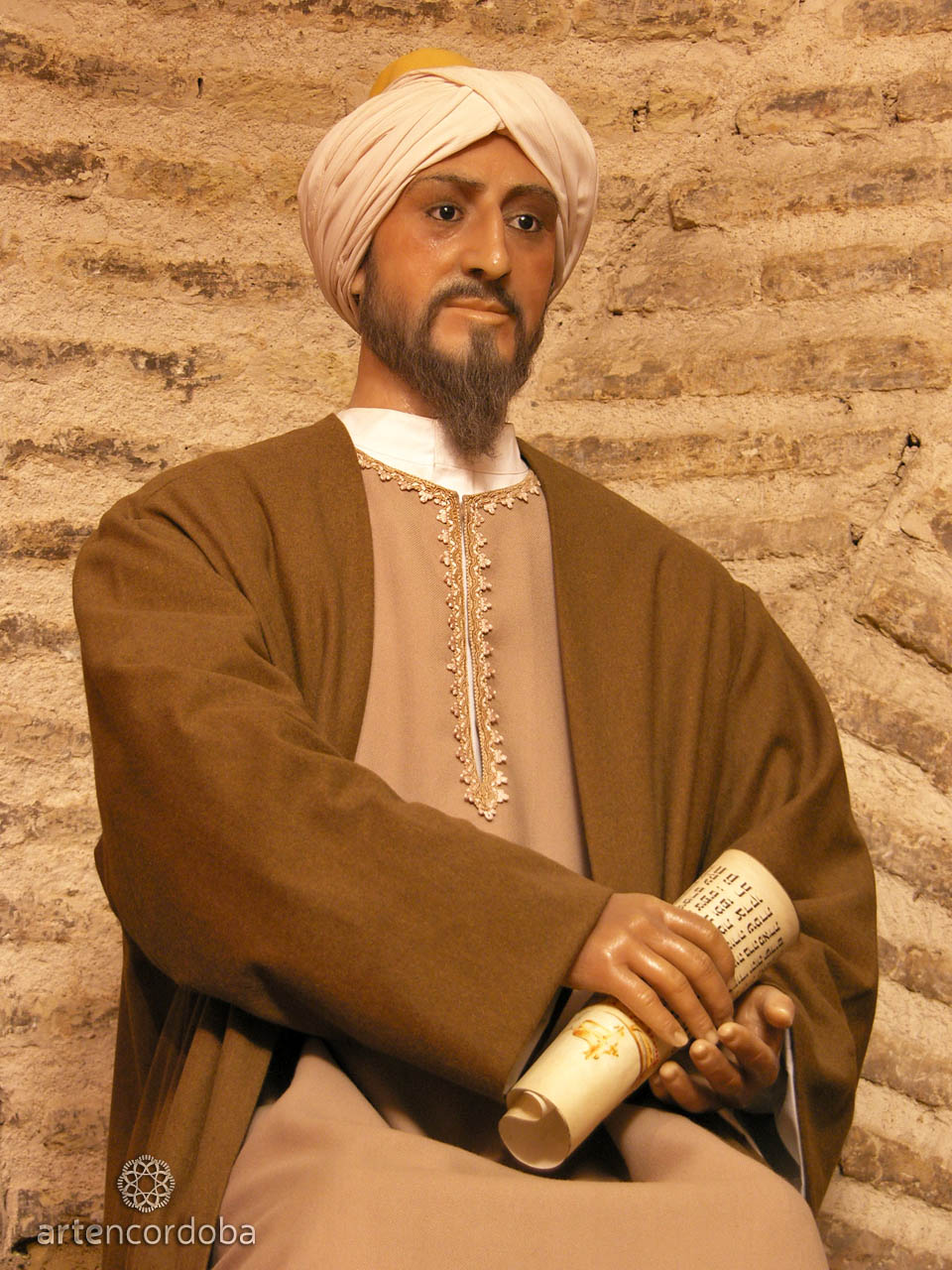
To the right is the second room, known as the Room of the Philosophers, where figures such as the Muslim Averroes and Ibn al-Arabi, the Jewish Maimonides, and the Christian monarch Alfonso X the Wise are featured. All had a special connection to our city. The setting and audio are designed to emphasize the importance of contemporary thought and wisdom, without separating it from science or faith.
Room III: Sciences and Techniques
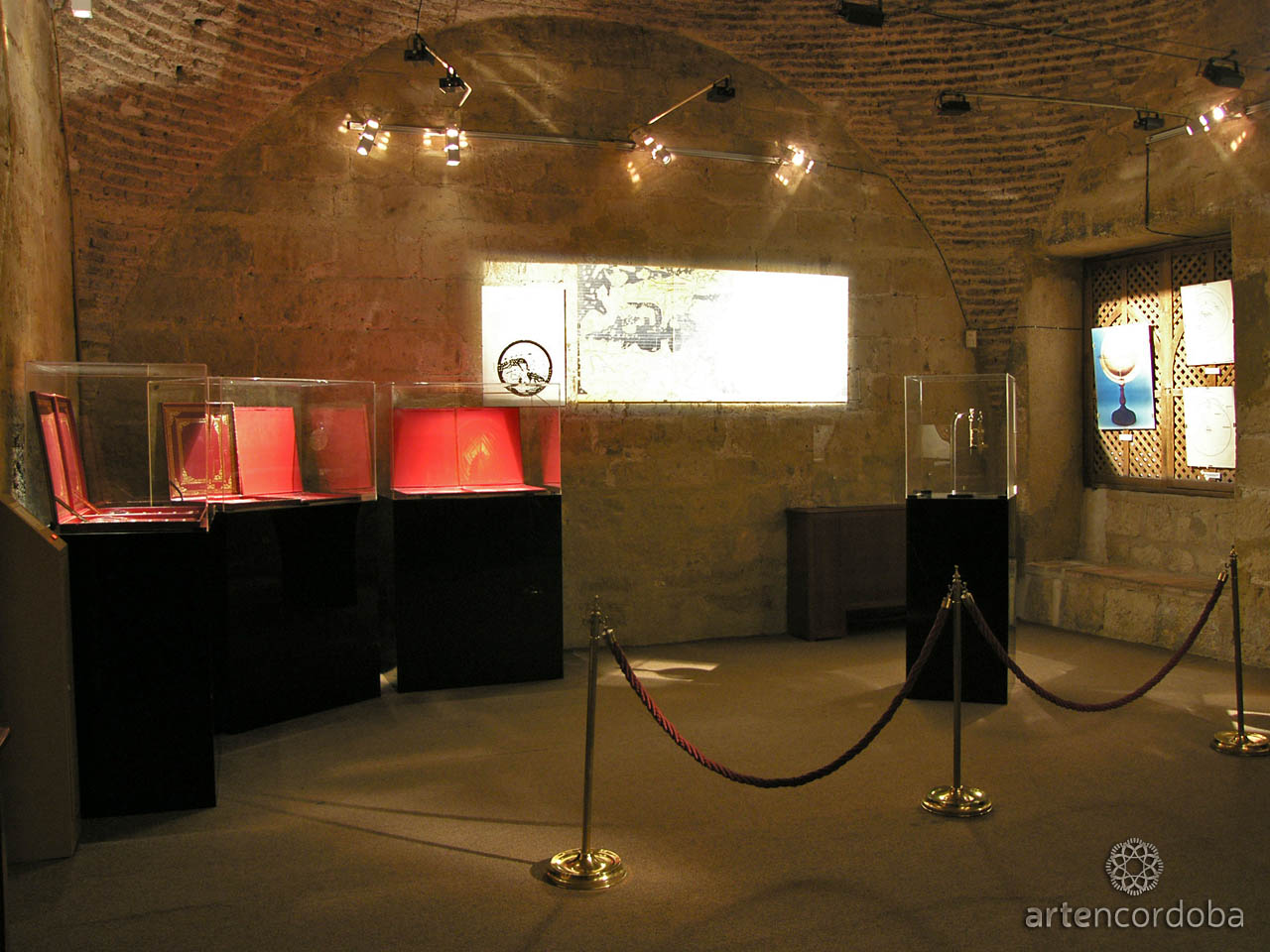
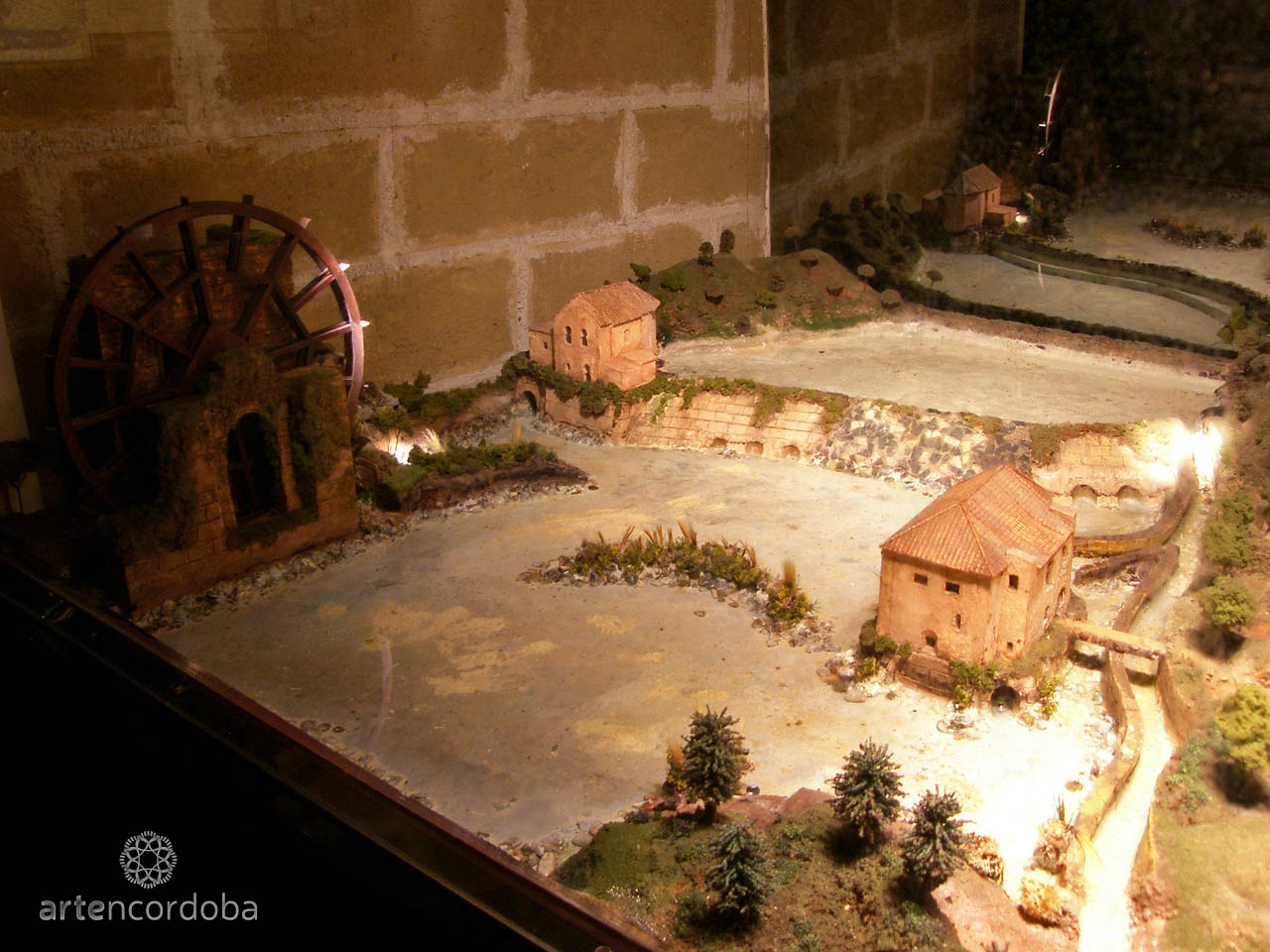
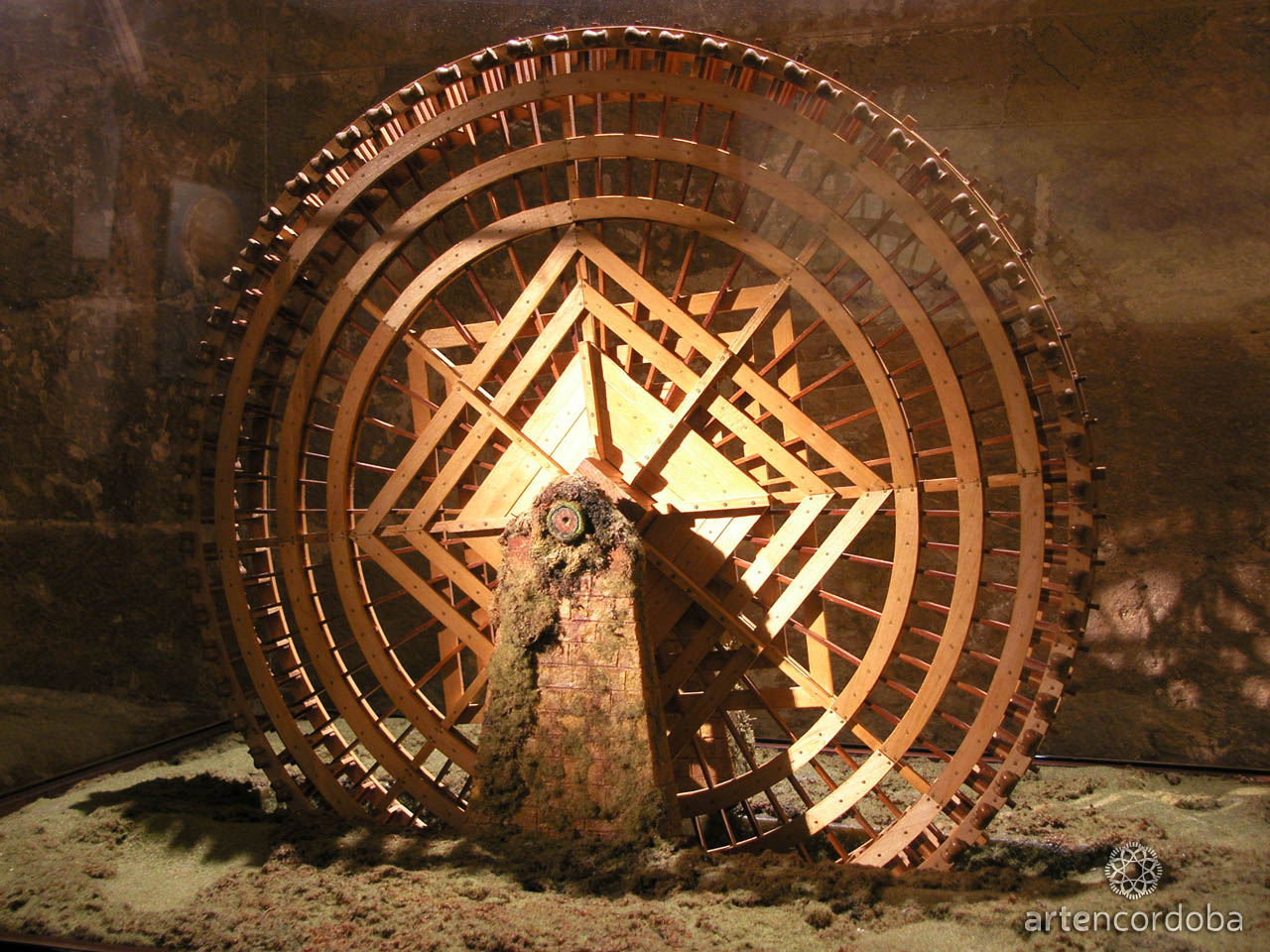
The next room is dedicated to Sciences and Techniques, showcasing technological advancements achieved in Al-Andalus, such as new agricultural and irrigation techniques. Also featured are notable figures such as the Cordoban surgeon Abulcassis al-Zahri and the Ceutan cartographer Al-Idrisi, known for his exceptional world map, the Tabula Rogeriana.
Room IV: The Height: the Palace and the Mosque
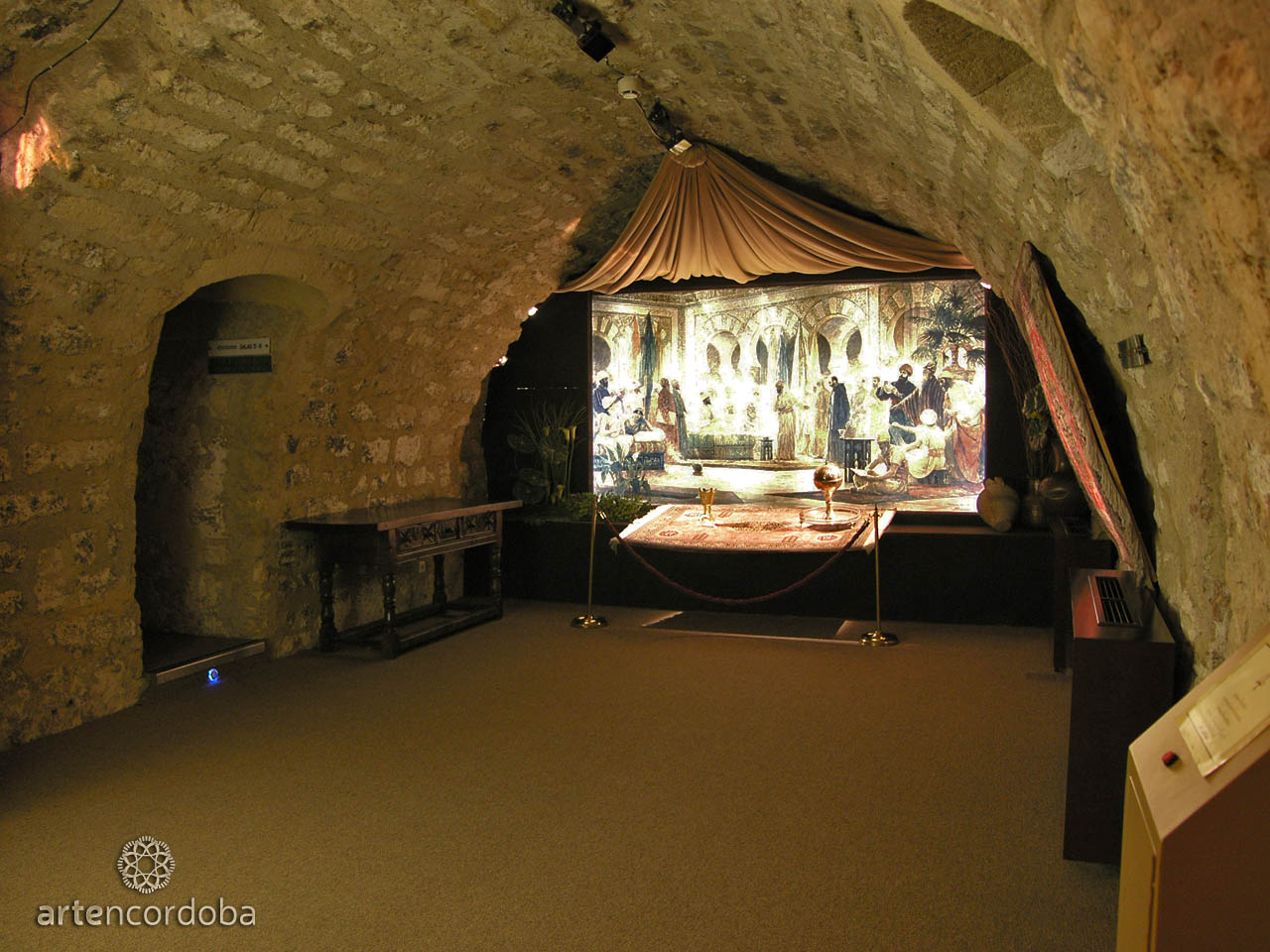
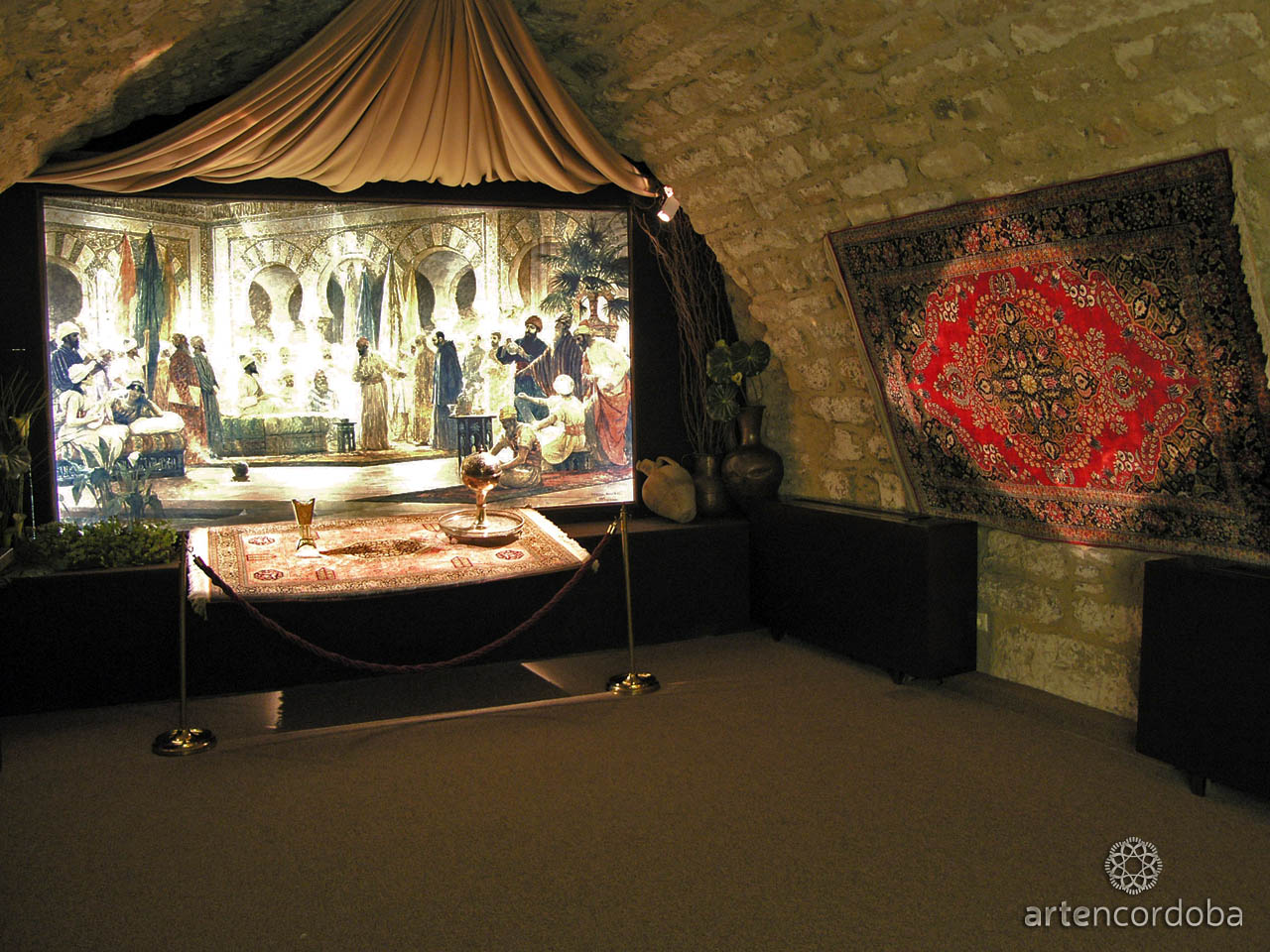
On the second floor, we enter the room known as The Height: the Palace and the Mosque, referring to the palatine city of Medina Azahara and the Great Mosque of Córdoba. Noteworthy is the reception that Caliph Abd al-Rahman III gave to a Christian monk sent by the Byzantine Emperor, as well as a recreation of the mihrab created during the time of al-Hakam II.
Room V: The Palace, the Alhambra
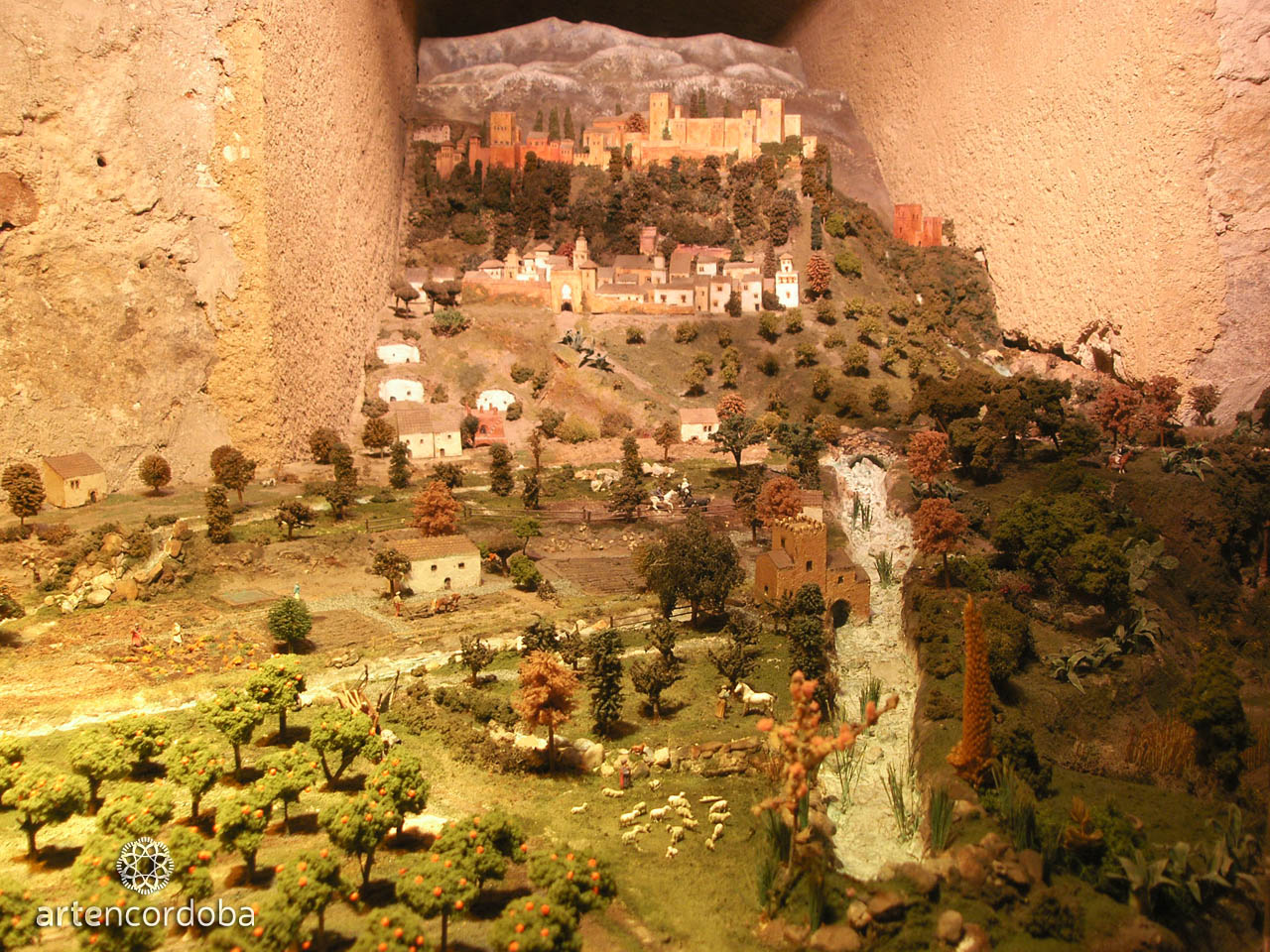
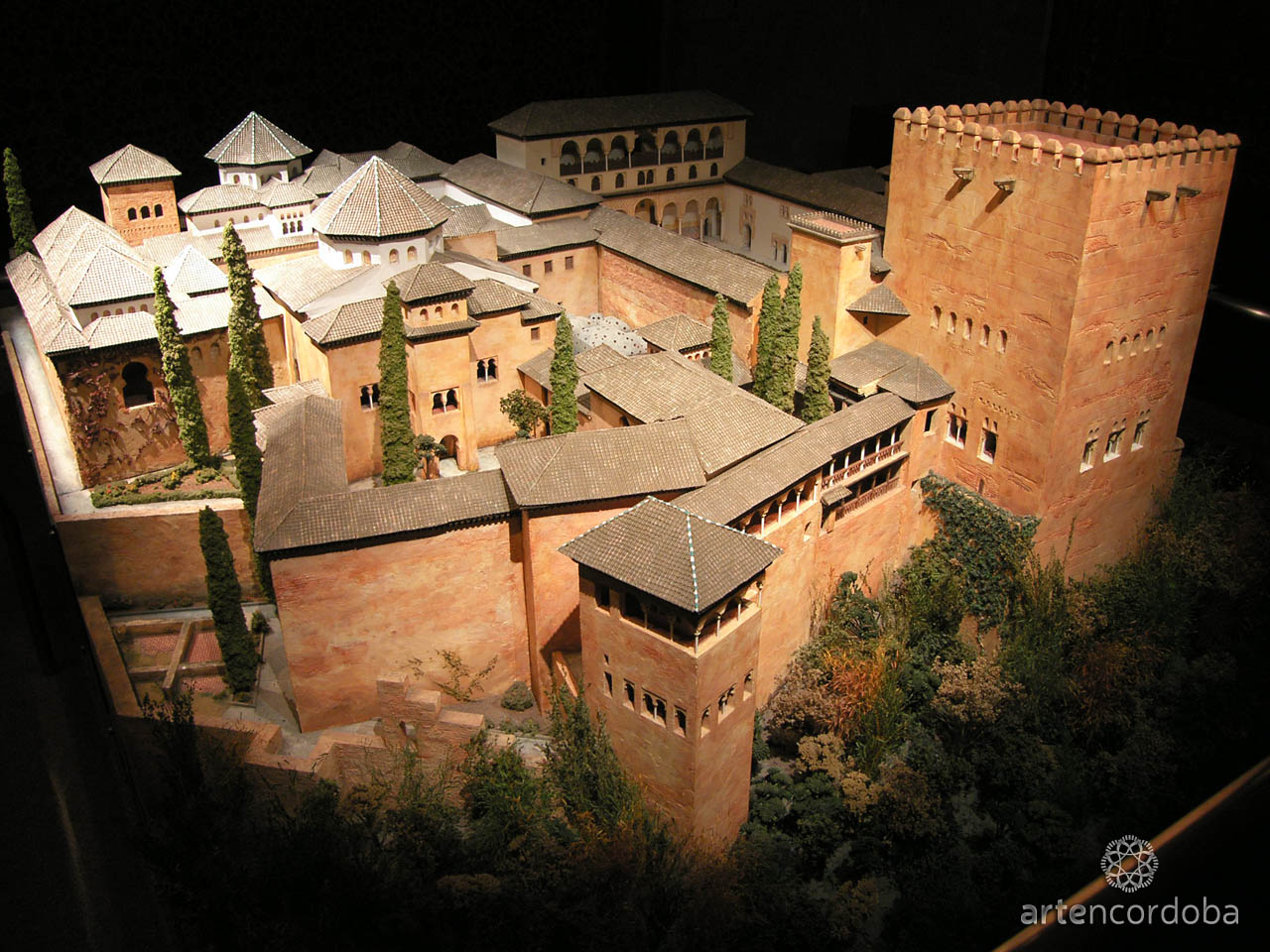
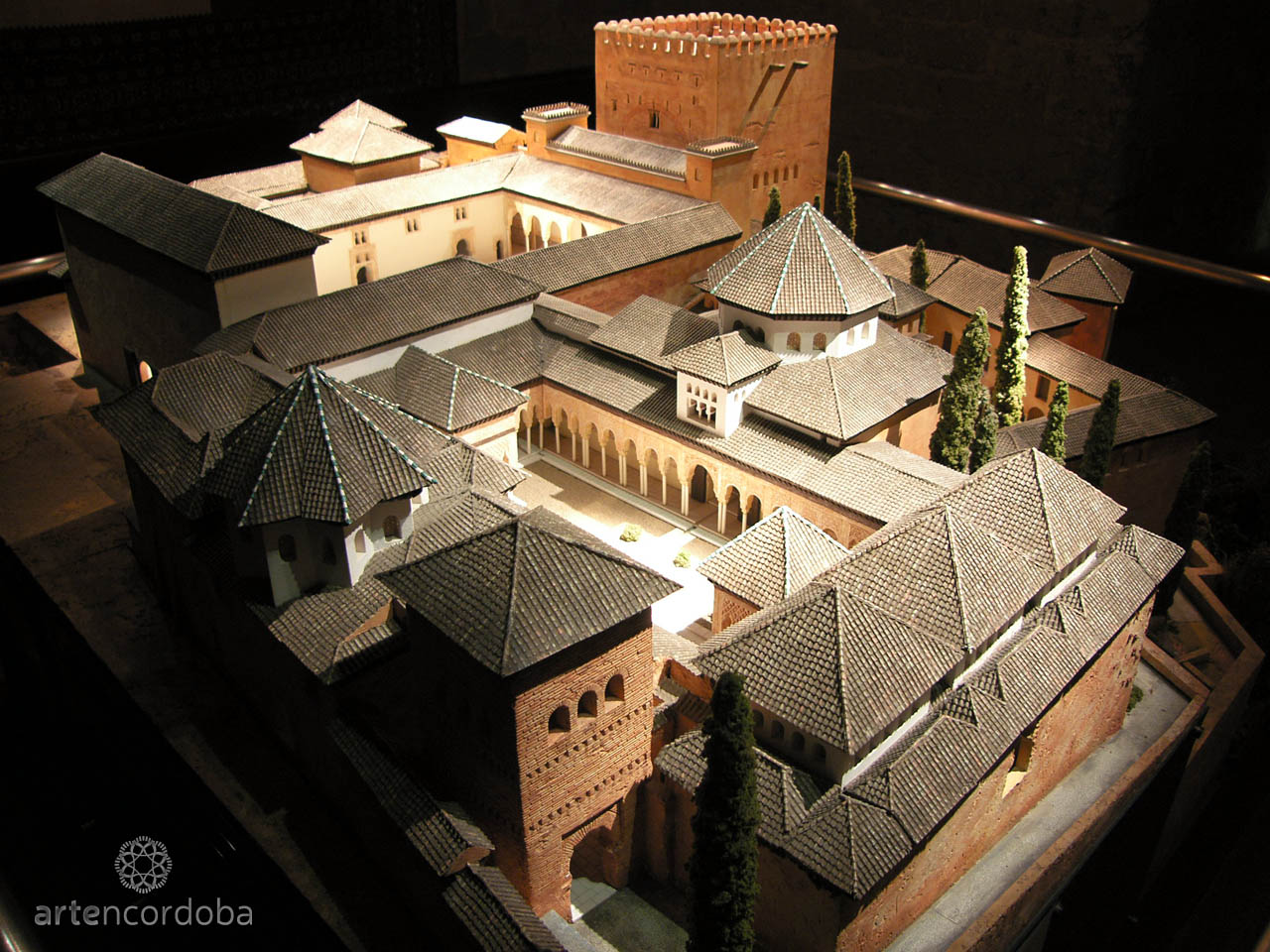
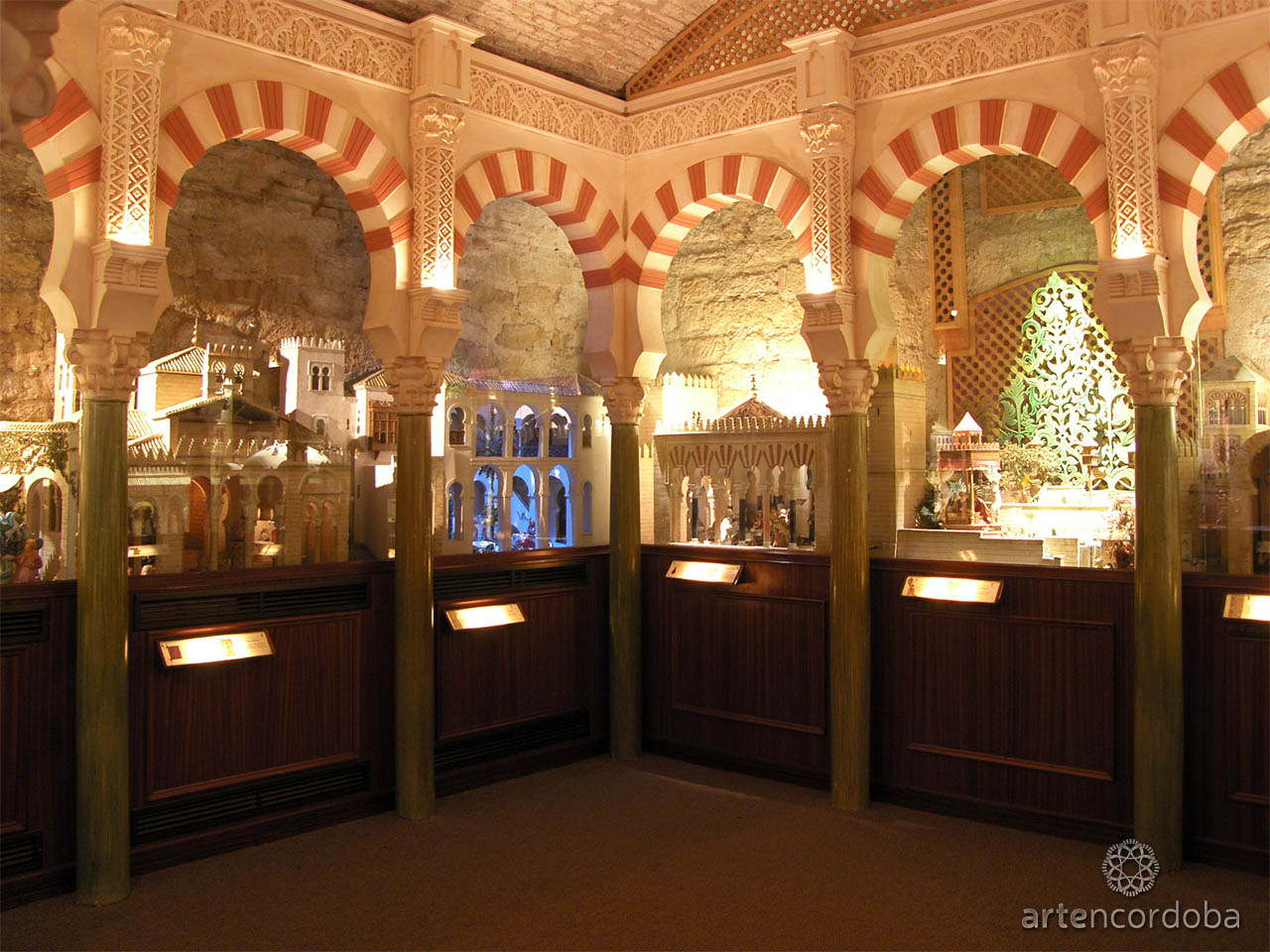
In this room, thanks to an exceptional model of the Nasrid palace of the Alhambra and its accompanying audio and light effects, visitors are transported into a dreamlike space from dawn to dusk. The Comares Tower, the Hall of the Two Sisters, and the Court of the Lions are easily recognizable.
Room VI: Andalusian Music
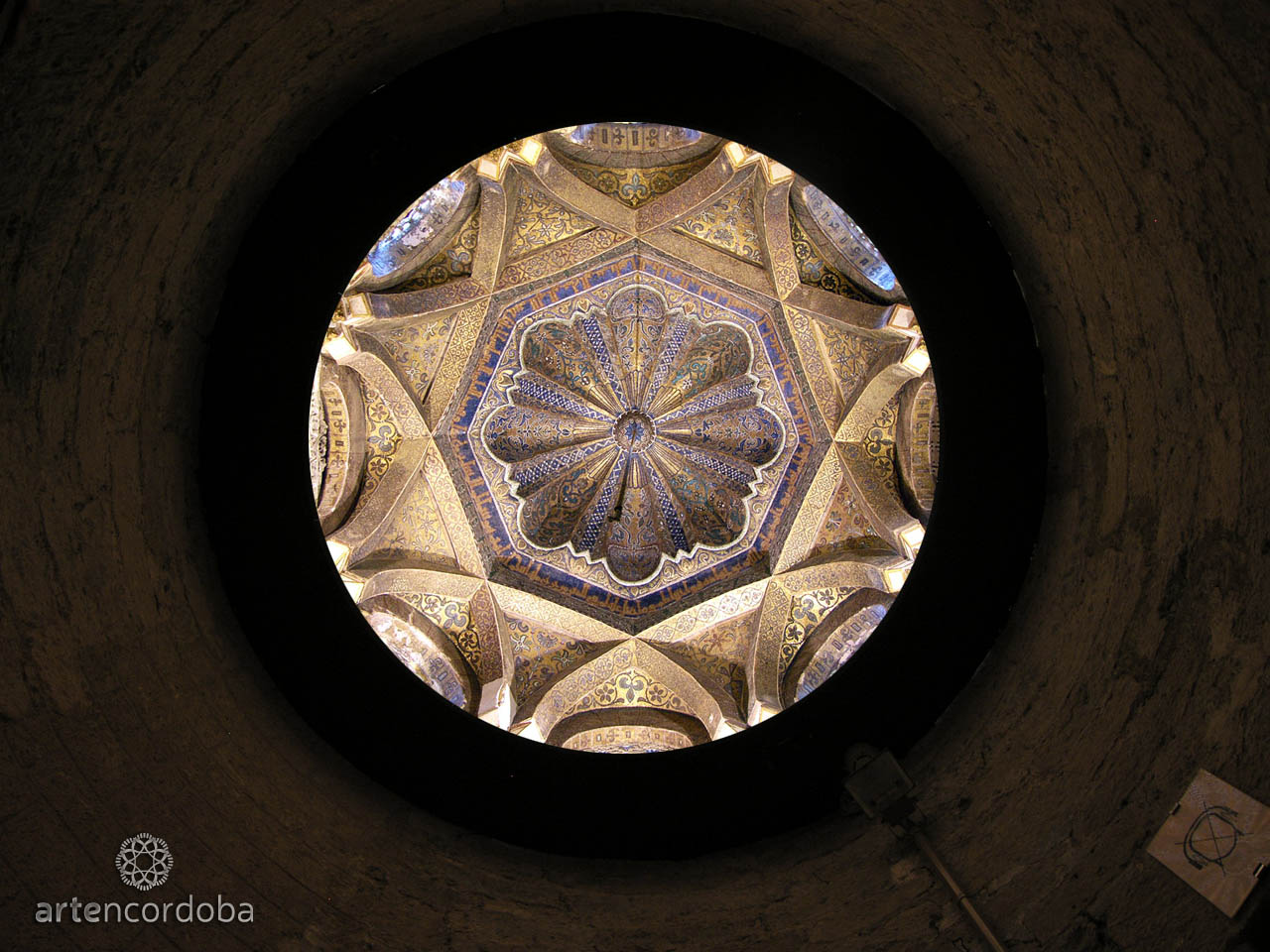
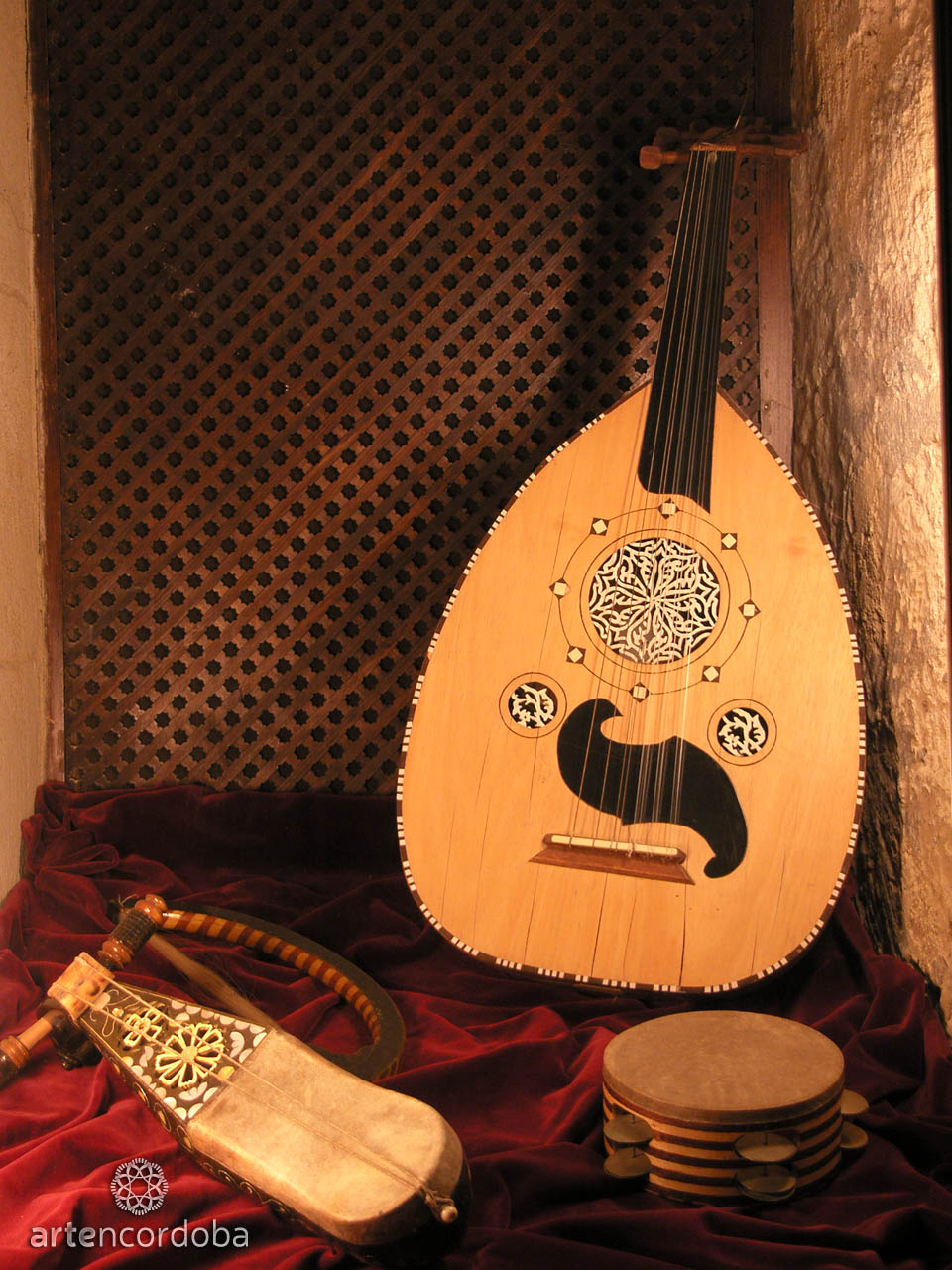
The Andalusian Music Room allows visitors to immerse themselves in the richest version of Al-Andalus, beneath the dome covering the mihrab of the Great Mosque of Córdoba. The room also features a small collection of musical instruments from the Andalusi period.
Room VII: The Great Mosque, Córdoba
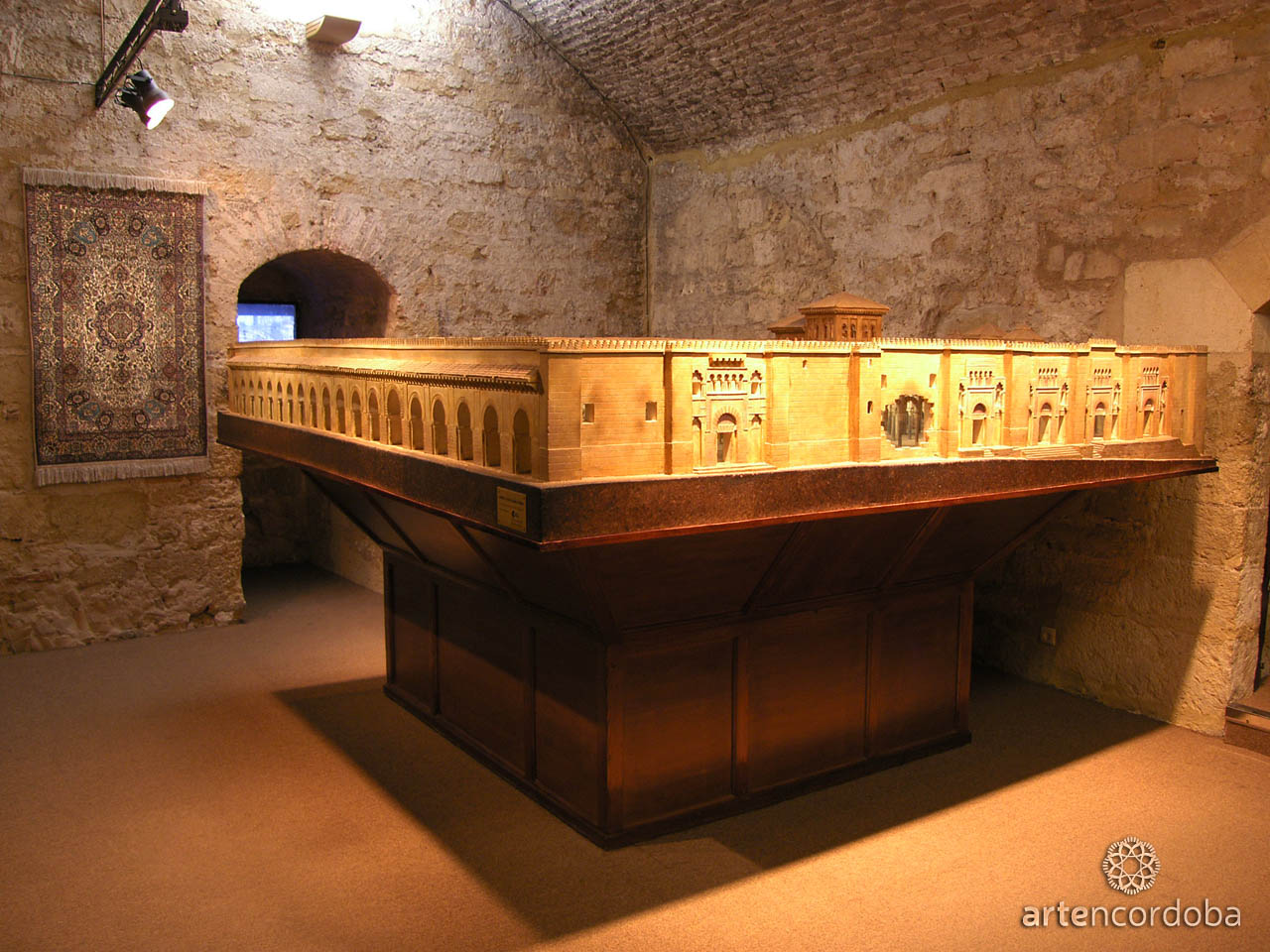
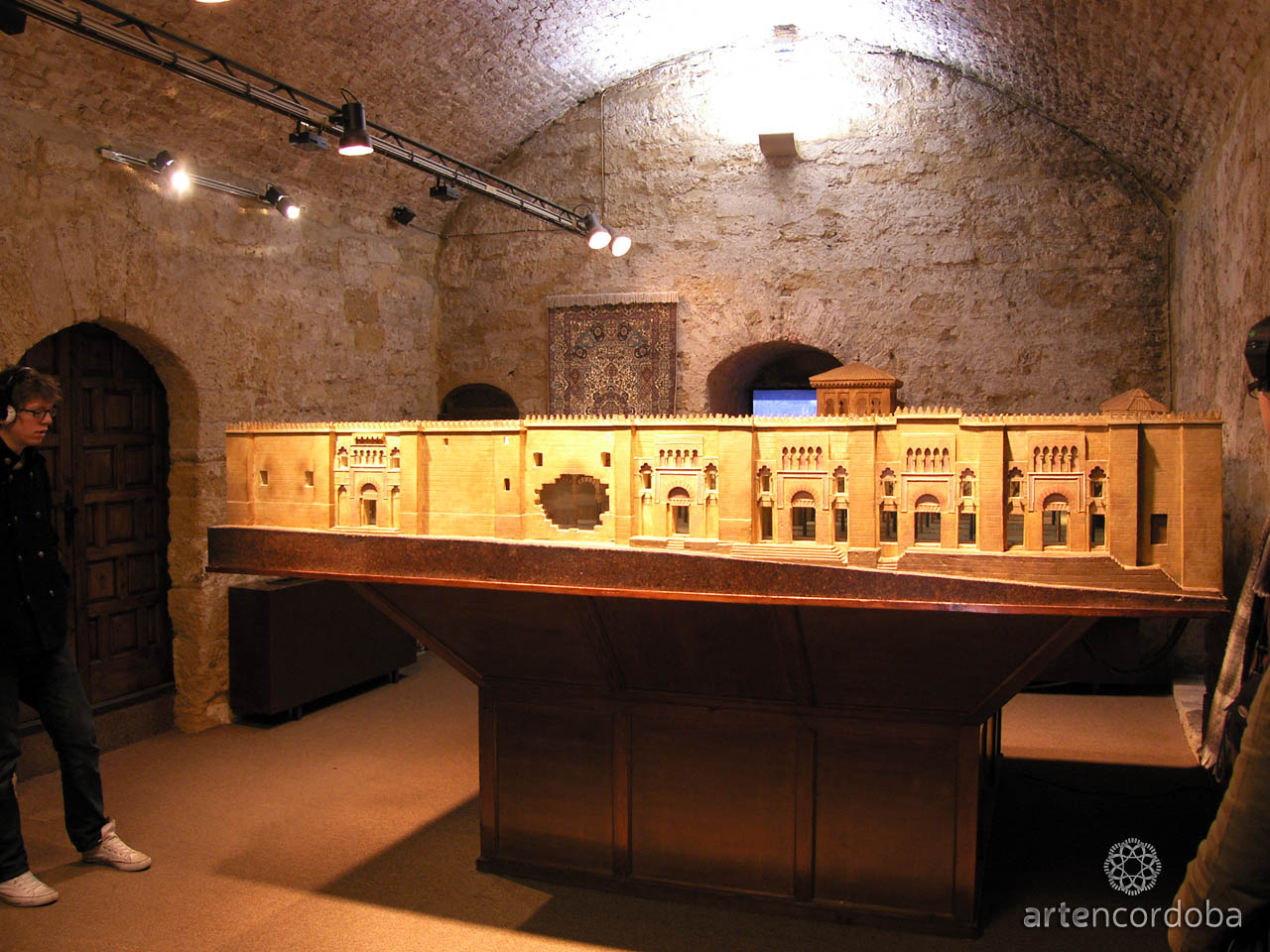
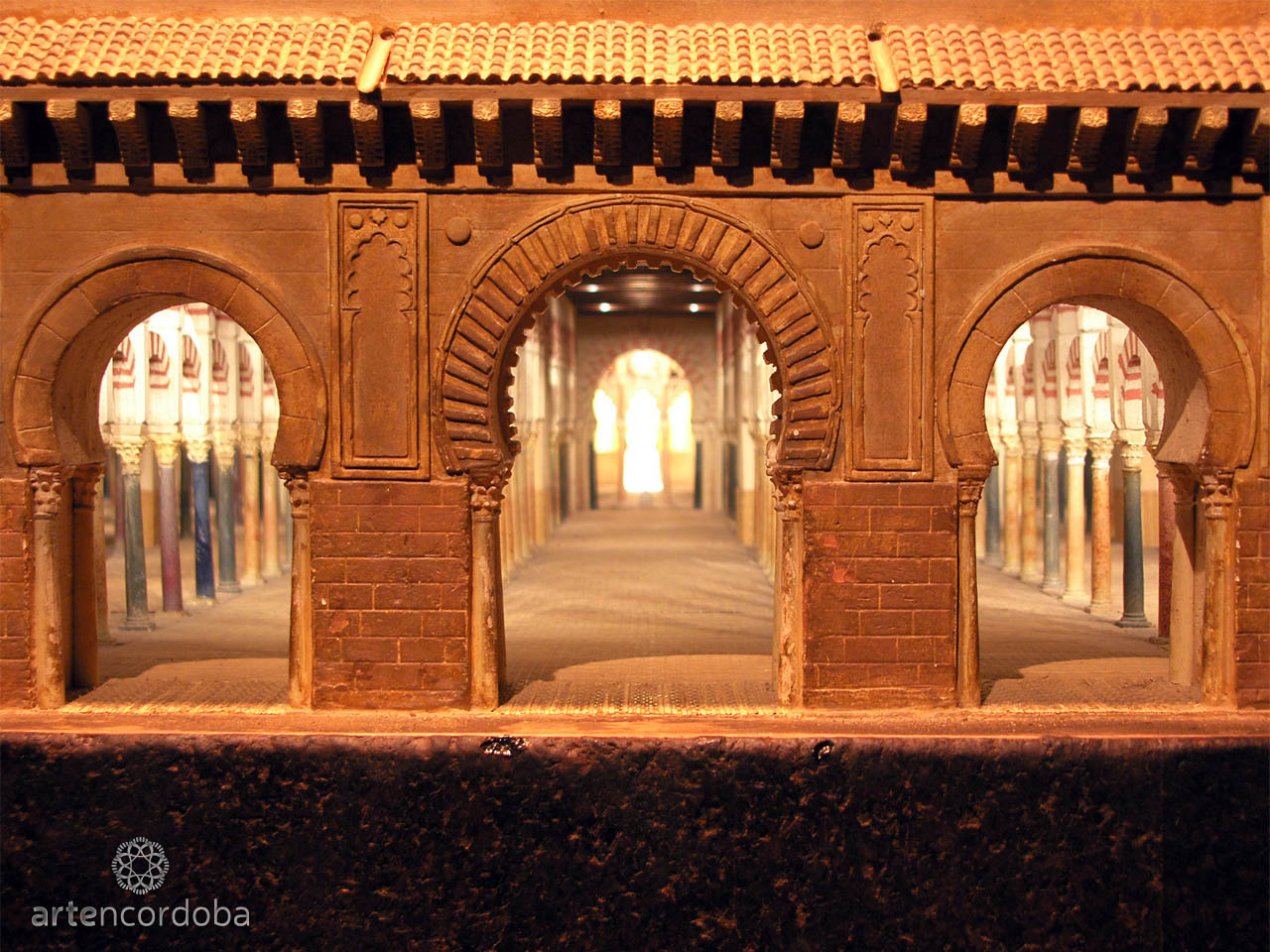
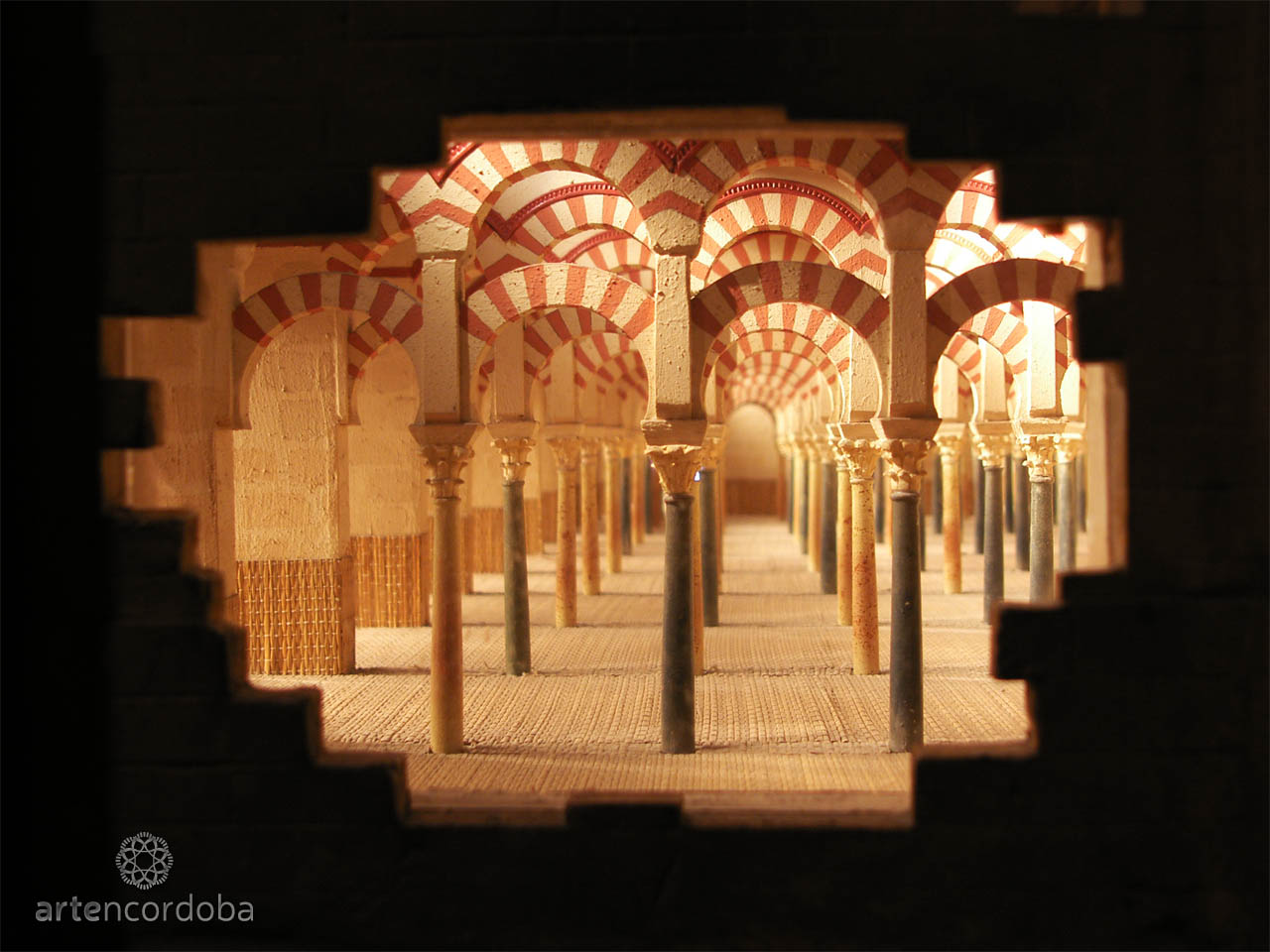
On the third floor is one of the museum’s most special rooms, dedicated to the Great Mosque of Córdoba. An exceptional model dominates the room, meticulously crafted to reflect both the exterior and the most important interior elements, accompanied by audio commentary and sound effects.
Room VIII: Other Places of Interest
This room showcases other sites that, while not as historically and artistically significant as the mosque, reflect the footprint of the various cultures that coexisted in the city, such as the Caliphal Alcázar, the Royal Baths, the Almodóvar Gate, the Municipal Souk, the Synagogue, and the Guadalquivir River.
Room IX: Multivision
The visit ends in the Multivision room, where an audiovisual presentation about the three cultures is shown. Visitors are encouraged to complete their experience by ascending to the highest point of the monument to enjoy one of the most beautiful views of the city.
Contact and Tourist Information
Address: Puente Romano s/n. 14009. Córdoba
Phone: +34 957 293 929
Error: Monumento no encontrado.
Error: Monumento no encontrado.
Error: Monumento no encontrado.
How to Get There
The Living Museum of Al-Andalus is located across from the Mosque-Cathedral, on the other side of the Roman Bridge. From the Mosque-Cathedral, simply cross the bridge; from the South Sector, follow the riverbank to easily reach the Calahorra Tower.
If you wish to discover the Living Museum of Al-Andalus, don’t hesitate to book one of our guided tours. We are experts in the interpretation of Córdoba’s historical heritage. Choose quality, choose ArtenCórdoba.