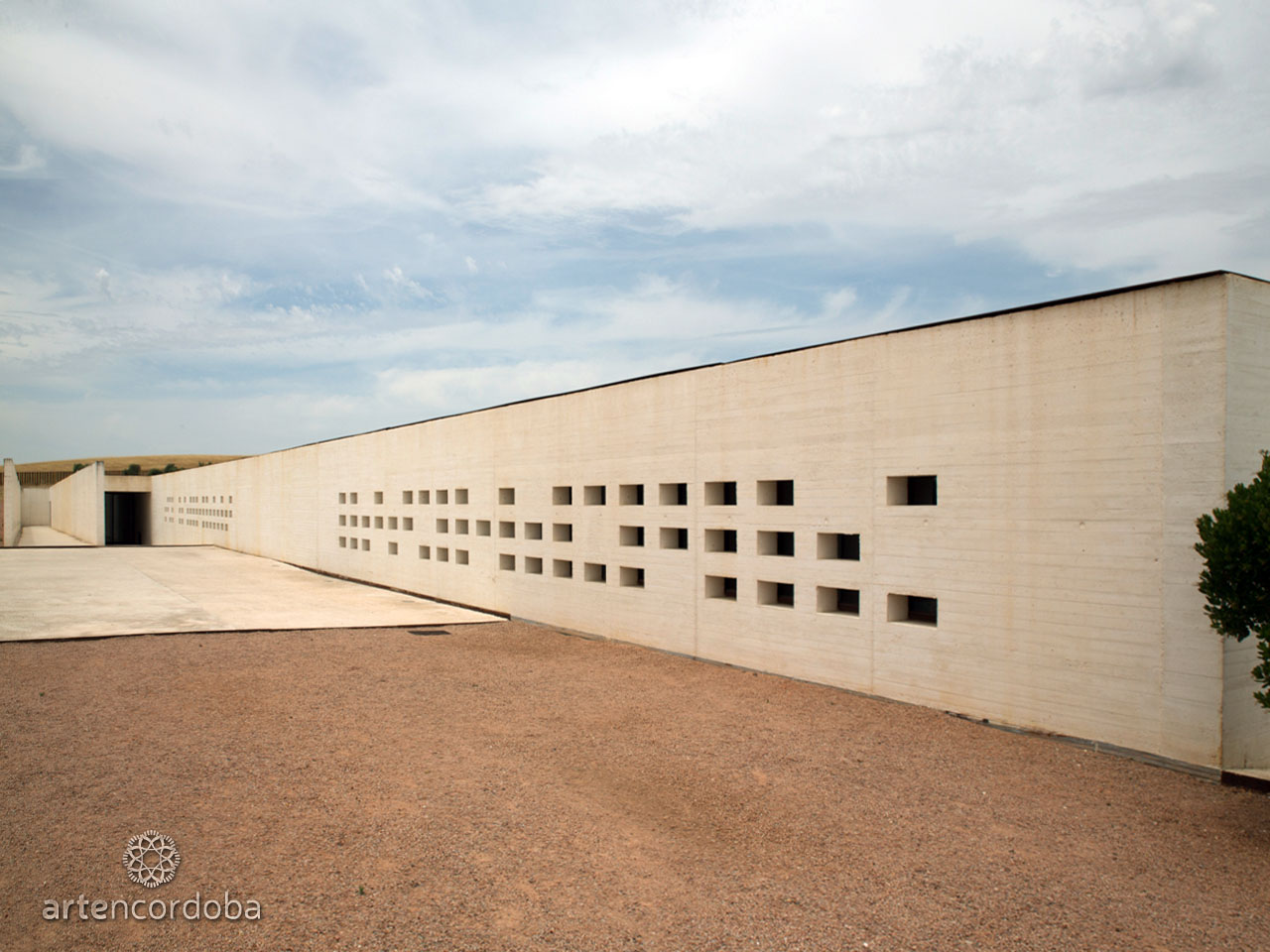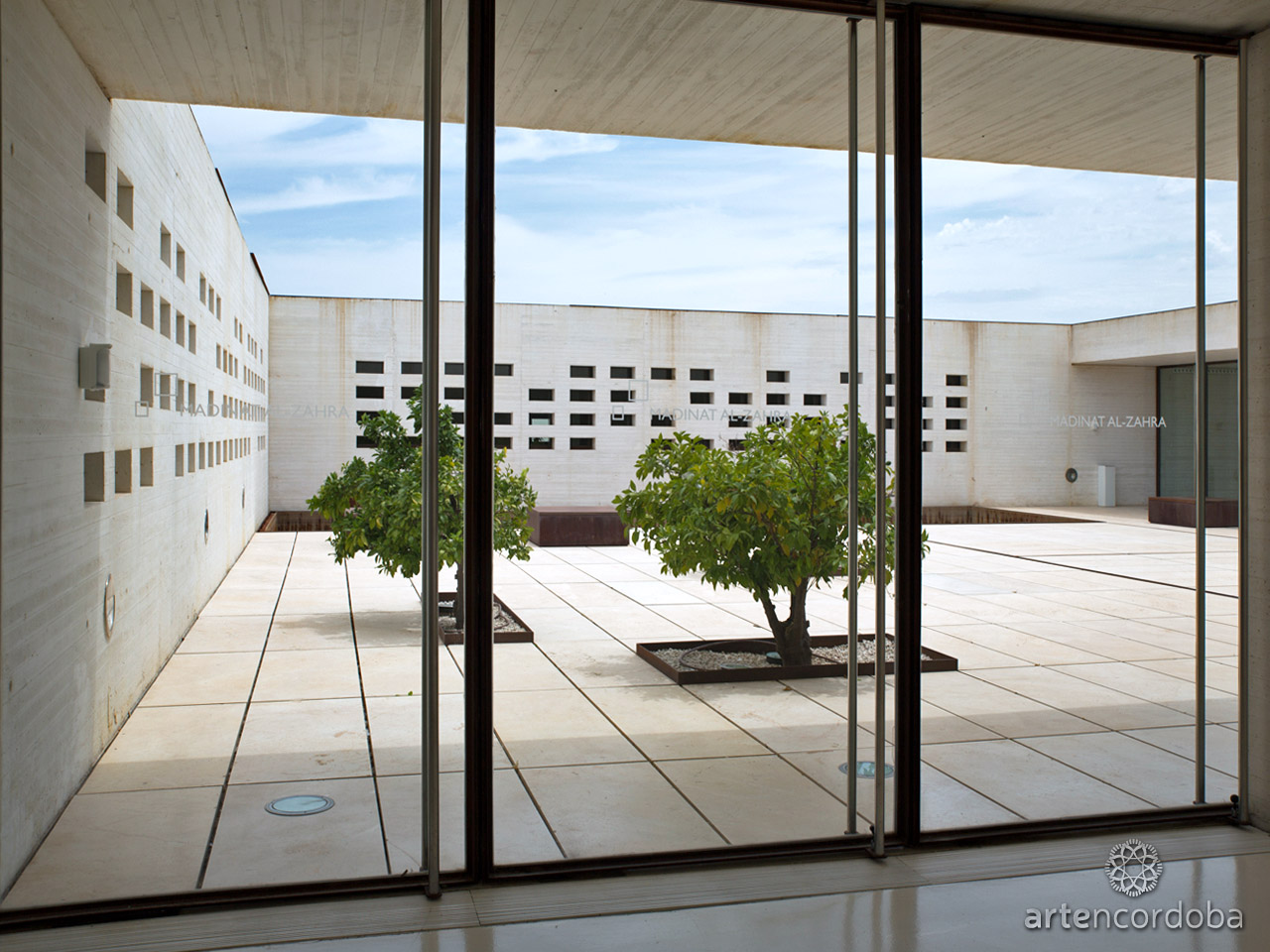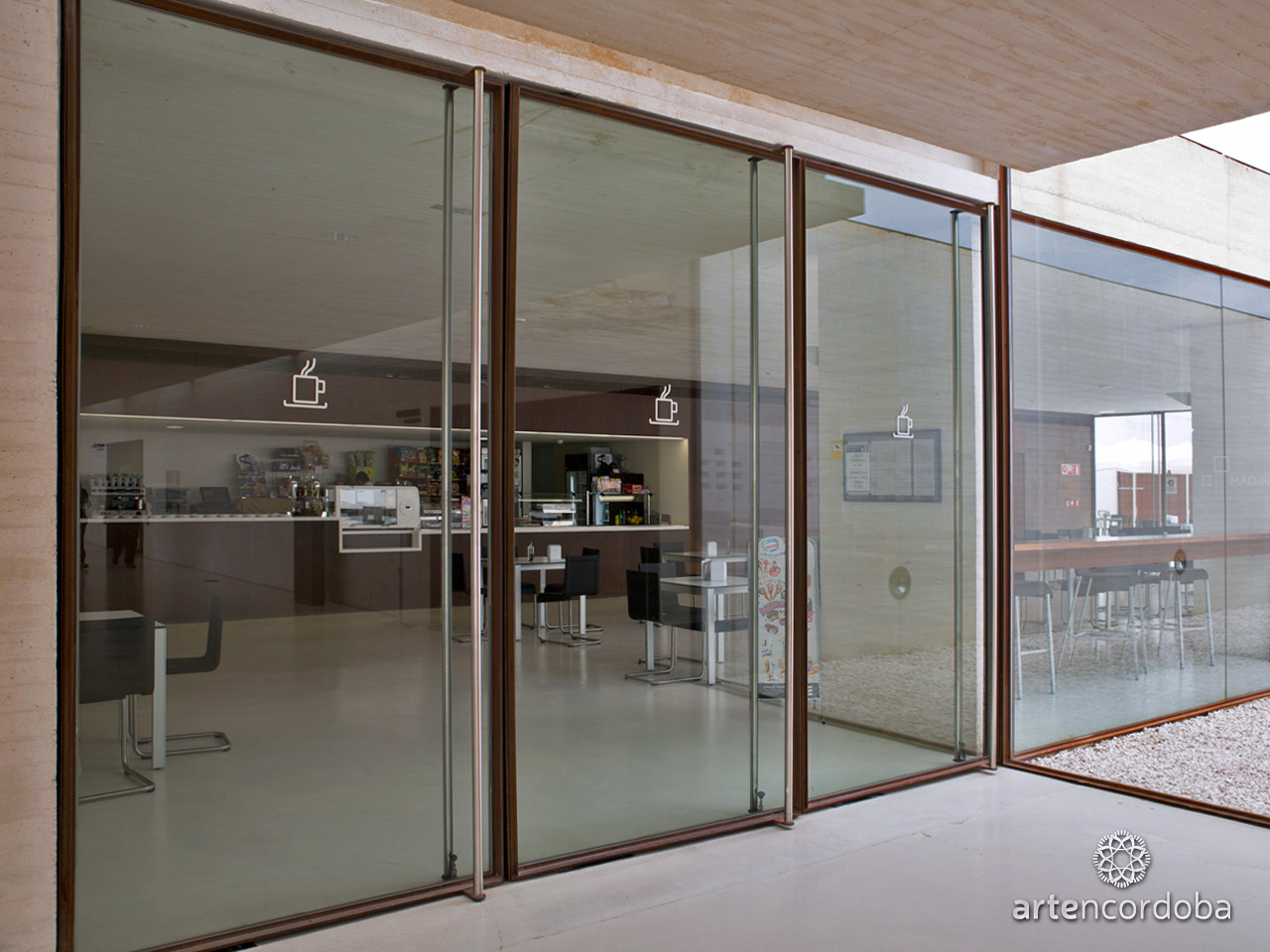






On October 9, 2009, Queen Sofía inaugurated the Interpretation Center of Medina Azahara, thus culminating a long four-year construction process and an investment of over 20 million euros by the Regional Government of Andalusia. Although it also features elements typical of a Modern Museum, the center’s goal is to provide significant infrastructure for the archaeological site of the Caliphal palatine city, dedicated to heritage management and service provision. It is located about 800 m from Medina Azahara, covers an area of 7,293 m², and was designed by architects Fuensanta Nieto and Enrique Sobejano. The rectangular, minimalist building has three floors—two of which are underground—paying homage to the archaeologists’ ongoing work, with an intricate layout reminiscent of the street plans in Islamic urbanism. Dominated by white concrete and steel, the building parallels the colors of Caliphal architecture: white and almagra red, and it respects the surrounding site, where no archaeological remains have been found.
Awards and Recognition
The Interpretation Center of Medina Azahara has received several accolades in recognition of its architectural value. In 2010, it won the Aga Khan Award for Architecture. In 2011, it received the Piranesi Prize in Rome, organized by the Adrianea Academy of Architecture and Archaeology of Italy. And in May 2012, it was awarded the European Museum of the Year by the European Museum Forum.
Areas of the Interpretation Center
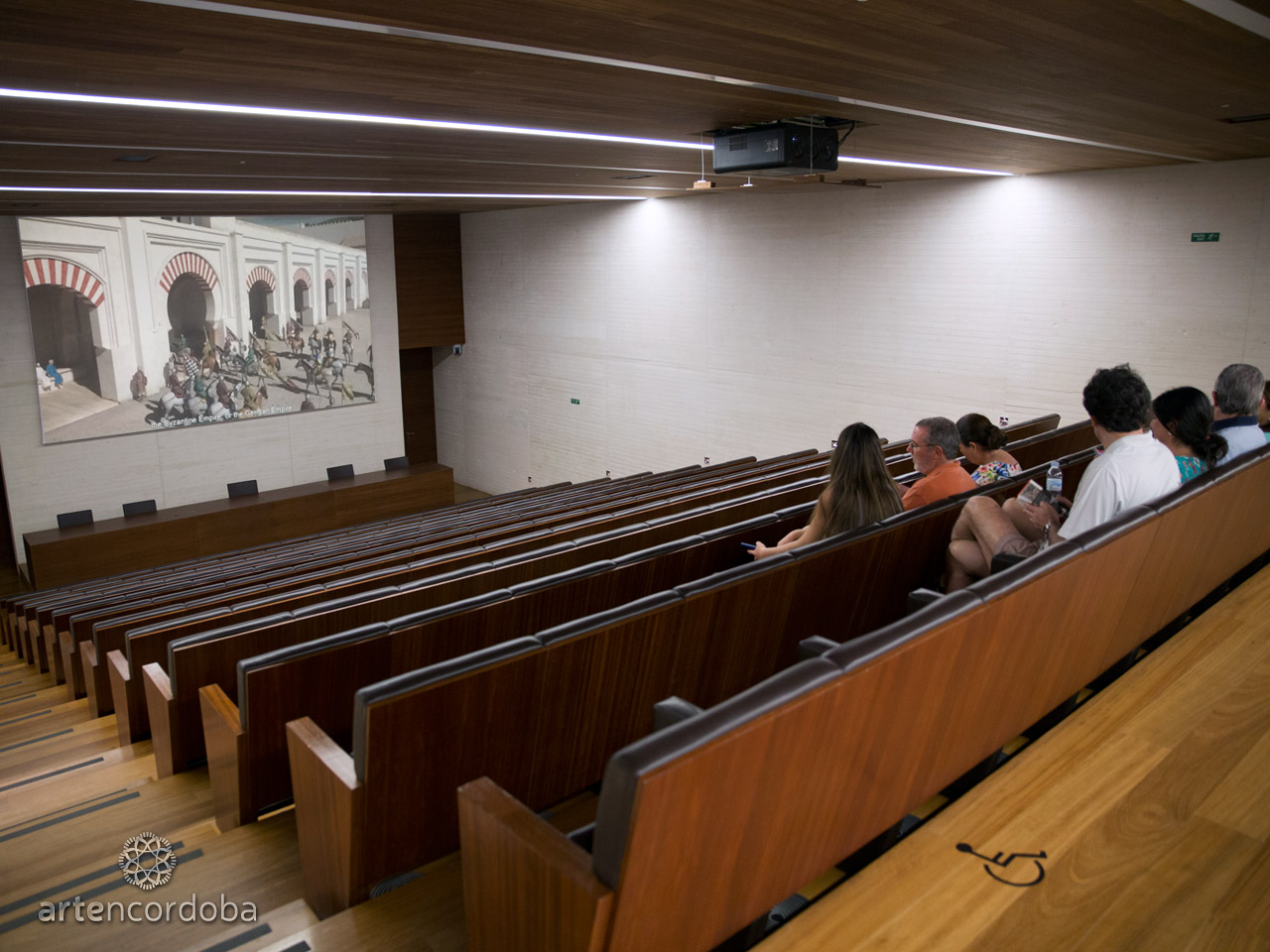
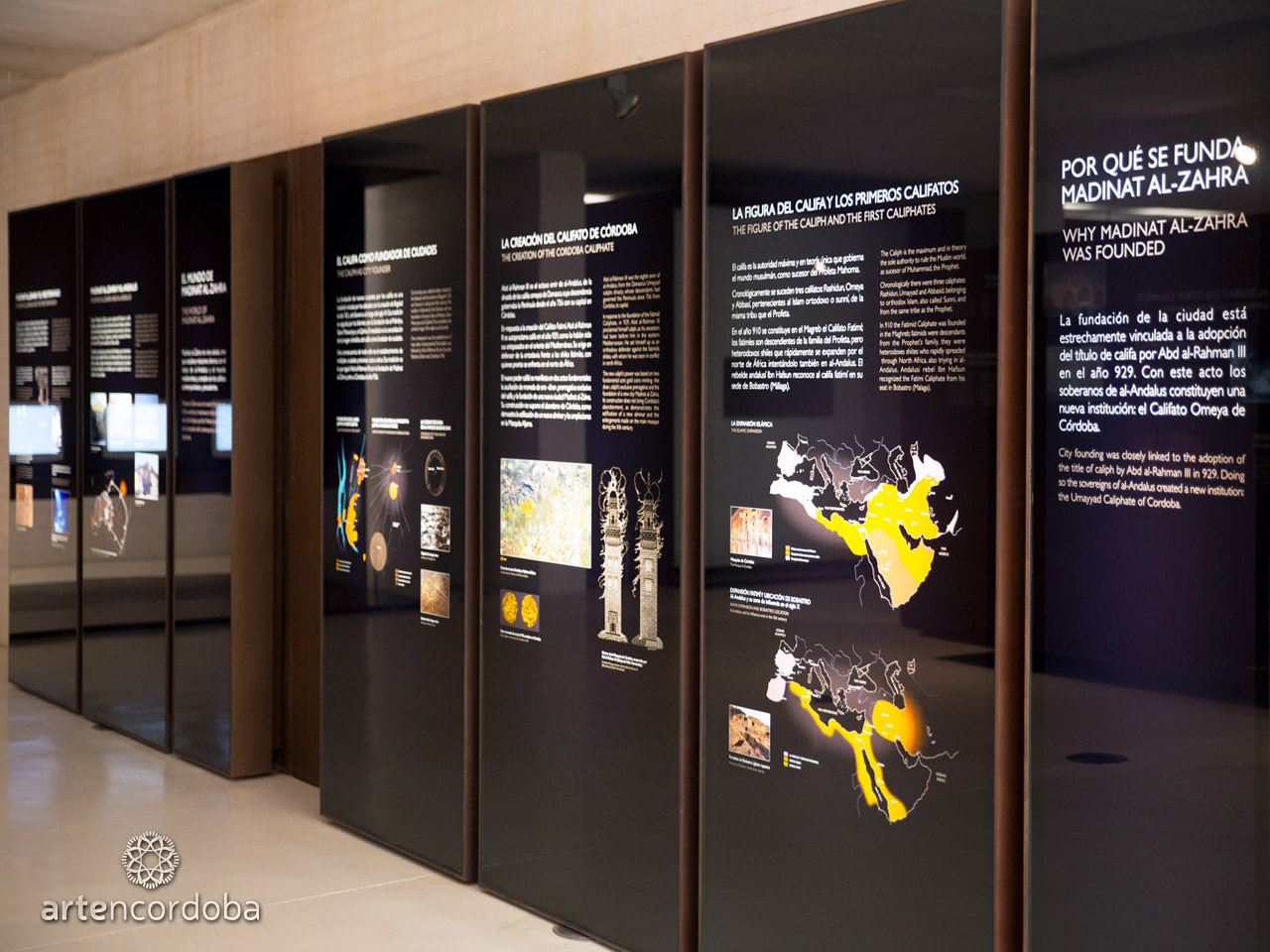
The Interpretation Center is divided into three areas. The first is a cultural, exhibition, and educational area, which includes an Auditorium, a permanent Exhibition Hall, the Manuel Ocaña Library as a documentation center for learning and research, and a seminar room for workshops, activities, and seminars.
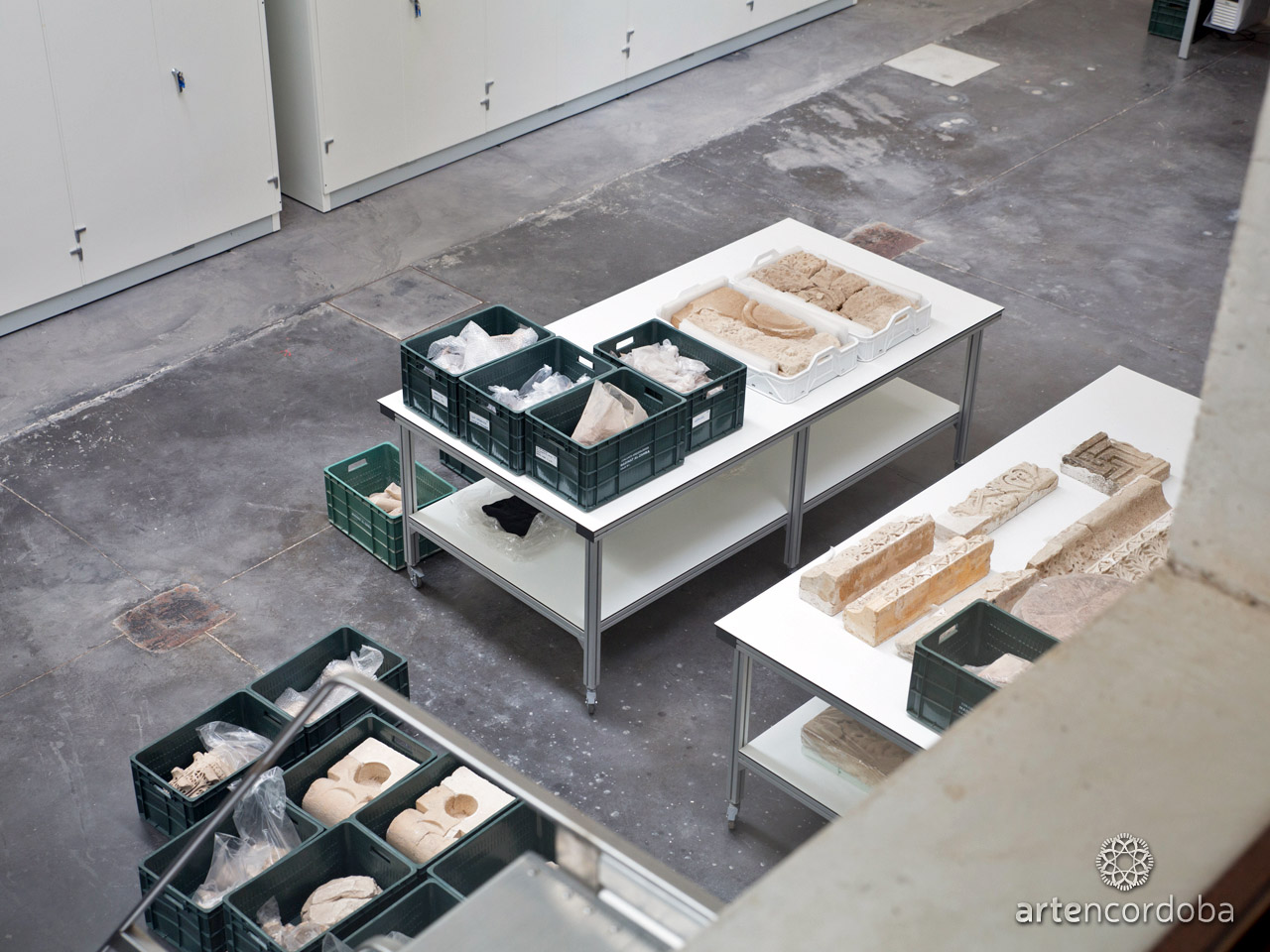
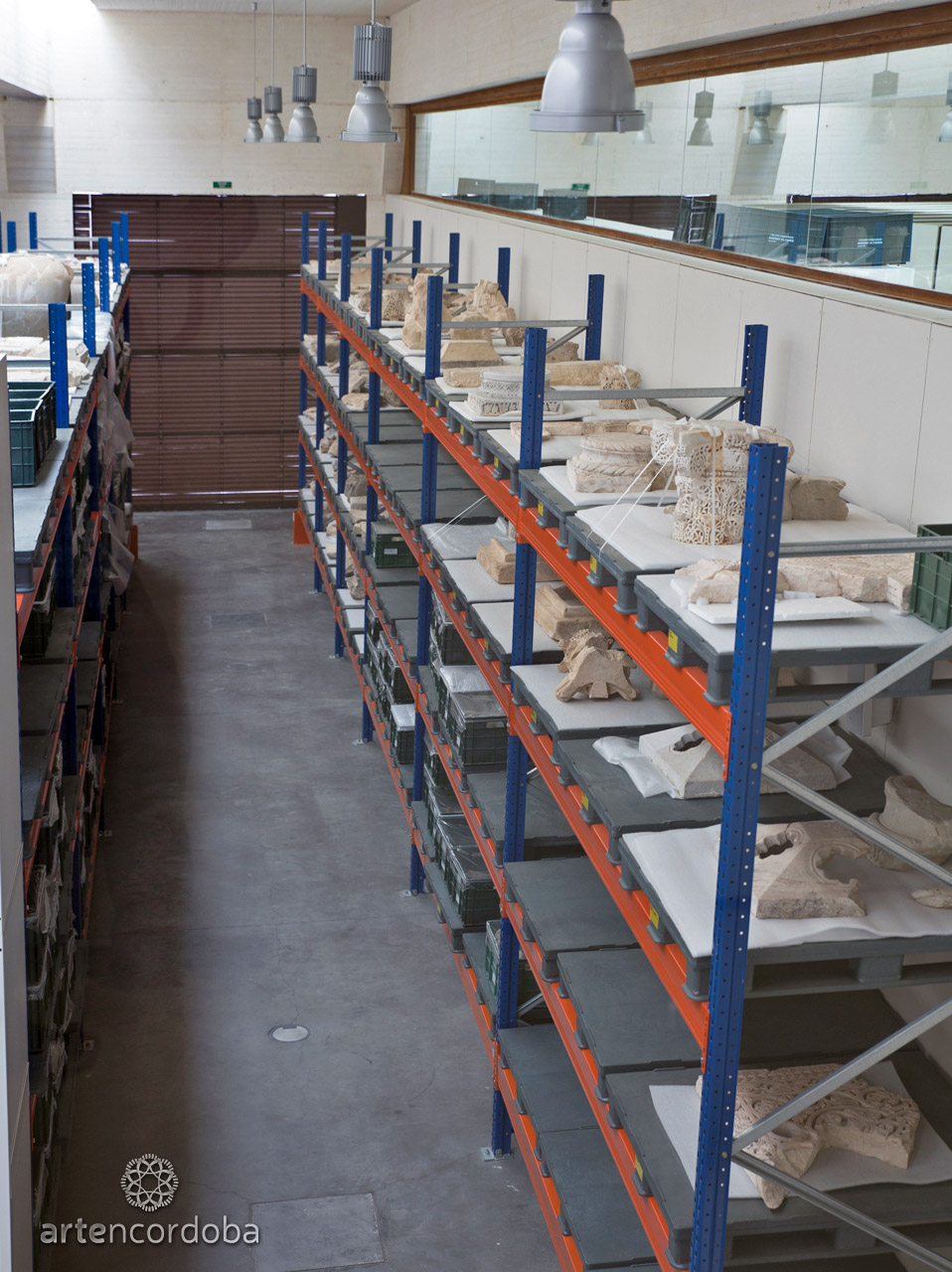
The conservation and research area includes storage for archaeological materials, restoration workshops, offices and administrative workspaces, and a documentation center that systematizes all the records generated in the course of the site’s research.
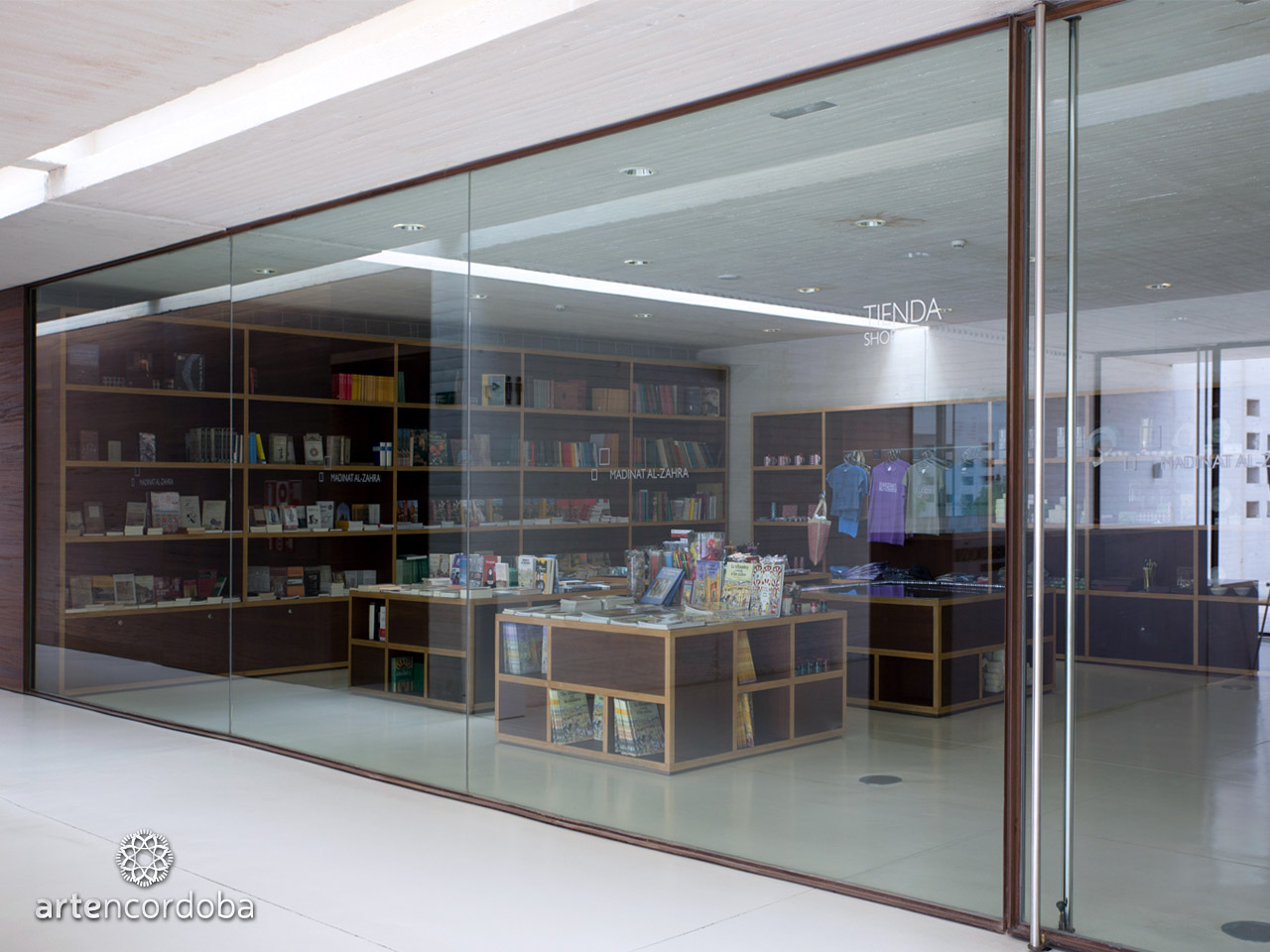
Lastly, there is a leisure services area, with a café-restaurant and a shop offering books and reproductions of ceramics, jewelry, and other souvenirs.
The Permanent Exhibition
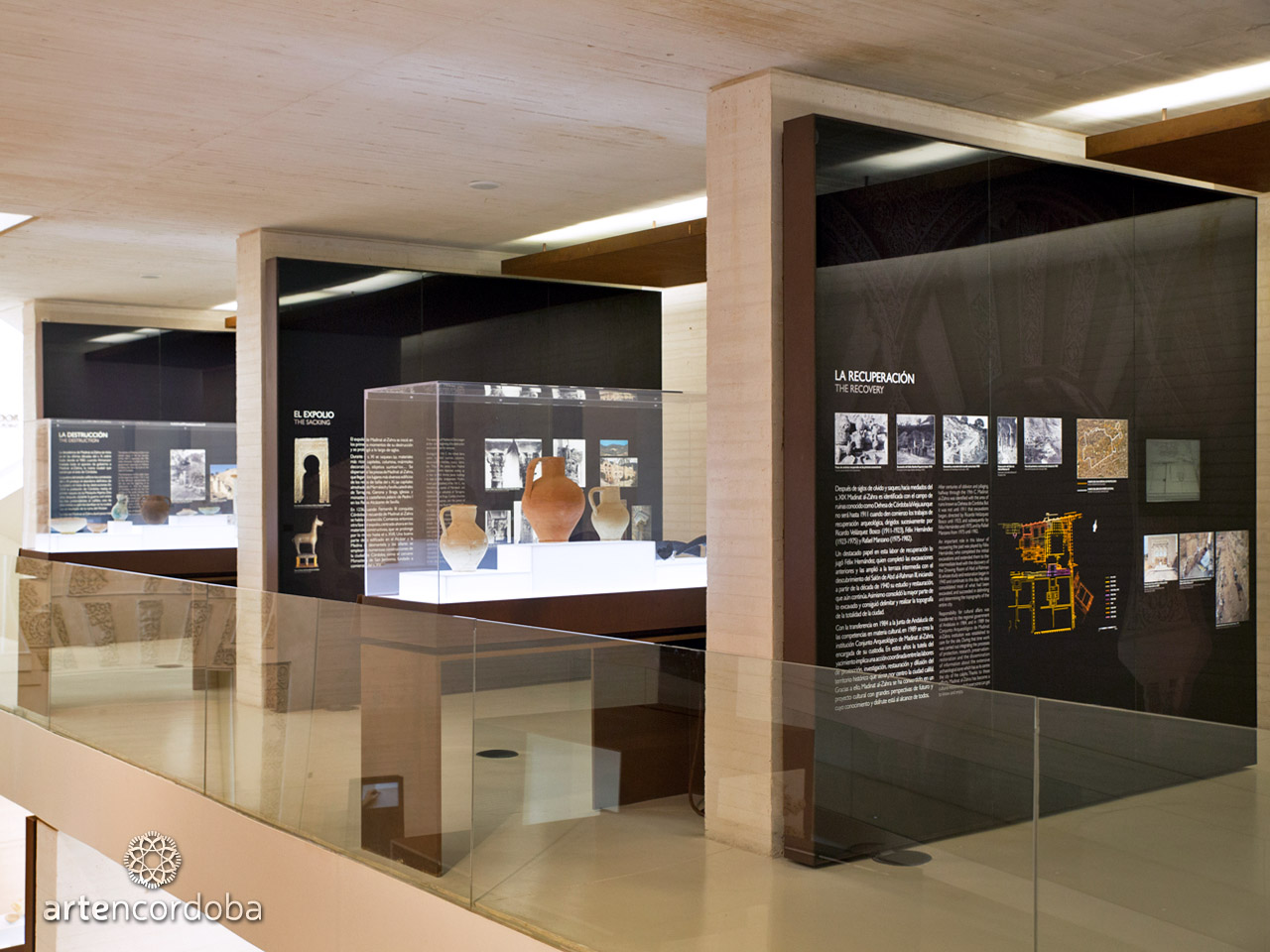
The permanent exhibition hall presents the History of the site through four thematic blocks. The first is dedicated to the economic, political, and religious context at the time of the city’s founding. The second explains the construction process of Medina Azahara, its consequences, and its relationship with Córdoba, the capital.
The third emphasizes the inhabitants, dividing them into the three main groups that made up the palatine city: Medina, Mosque, and Alcázar. The fourth addresses the process of destruction and looting that Medina Azahara underwent, as well as the excavation work that began in the 20th century.
Featured Pieces
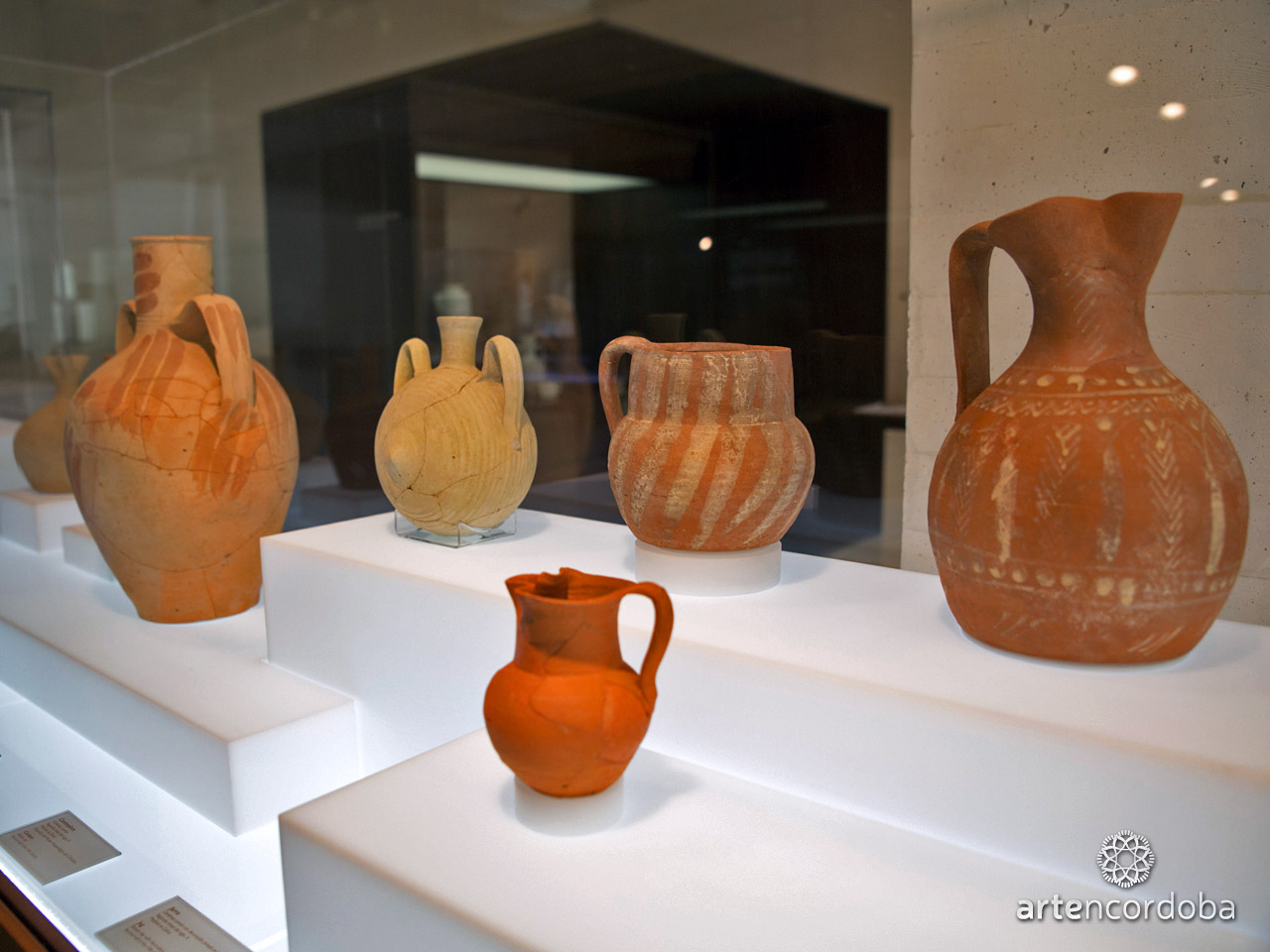
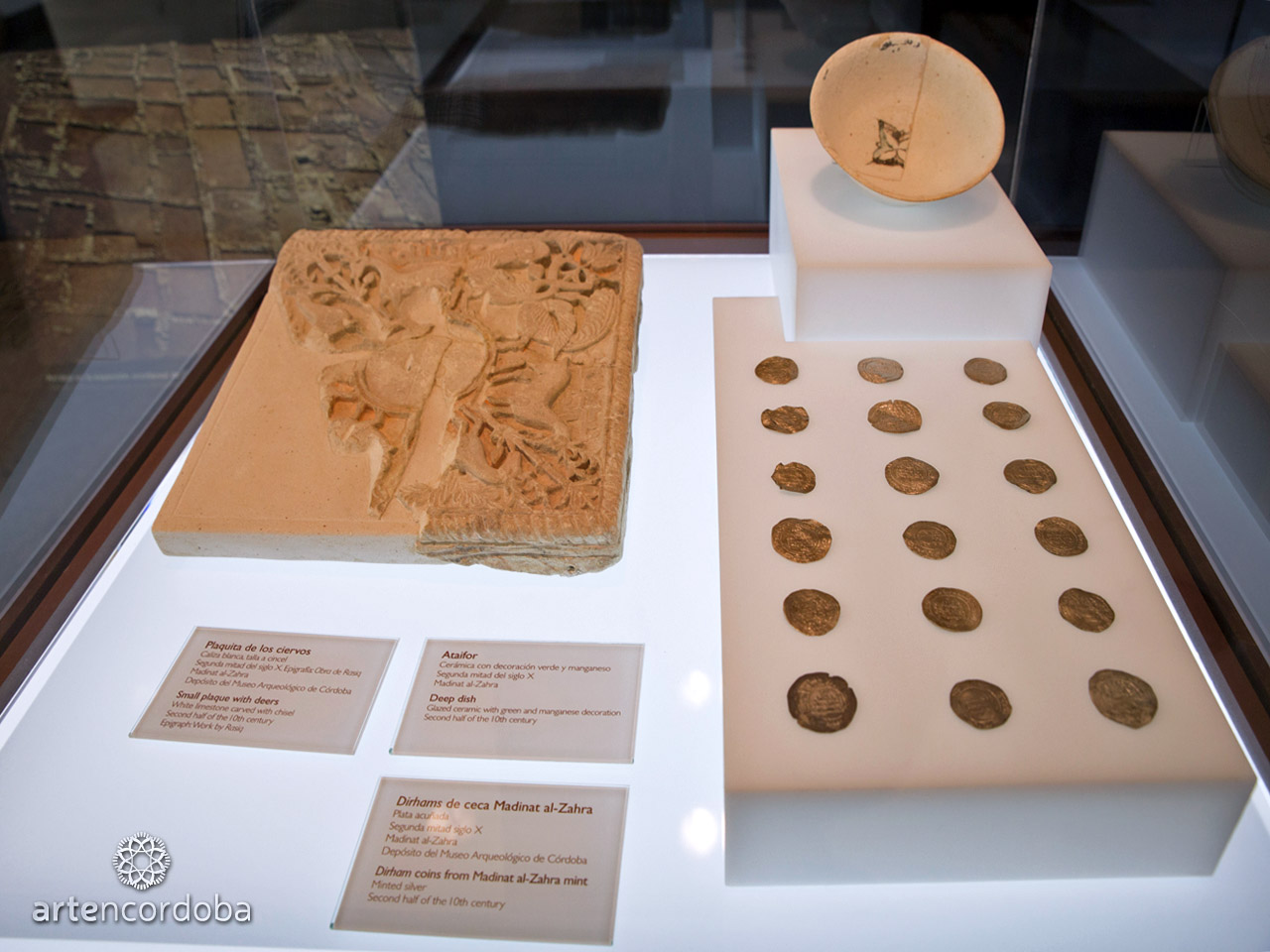
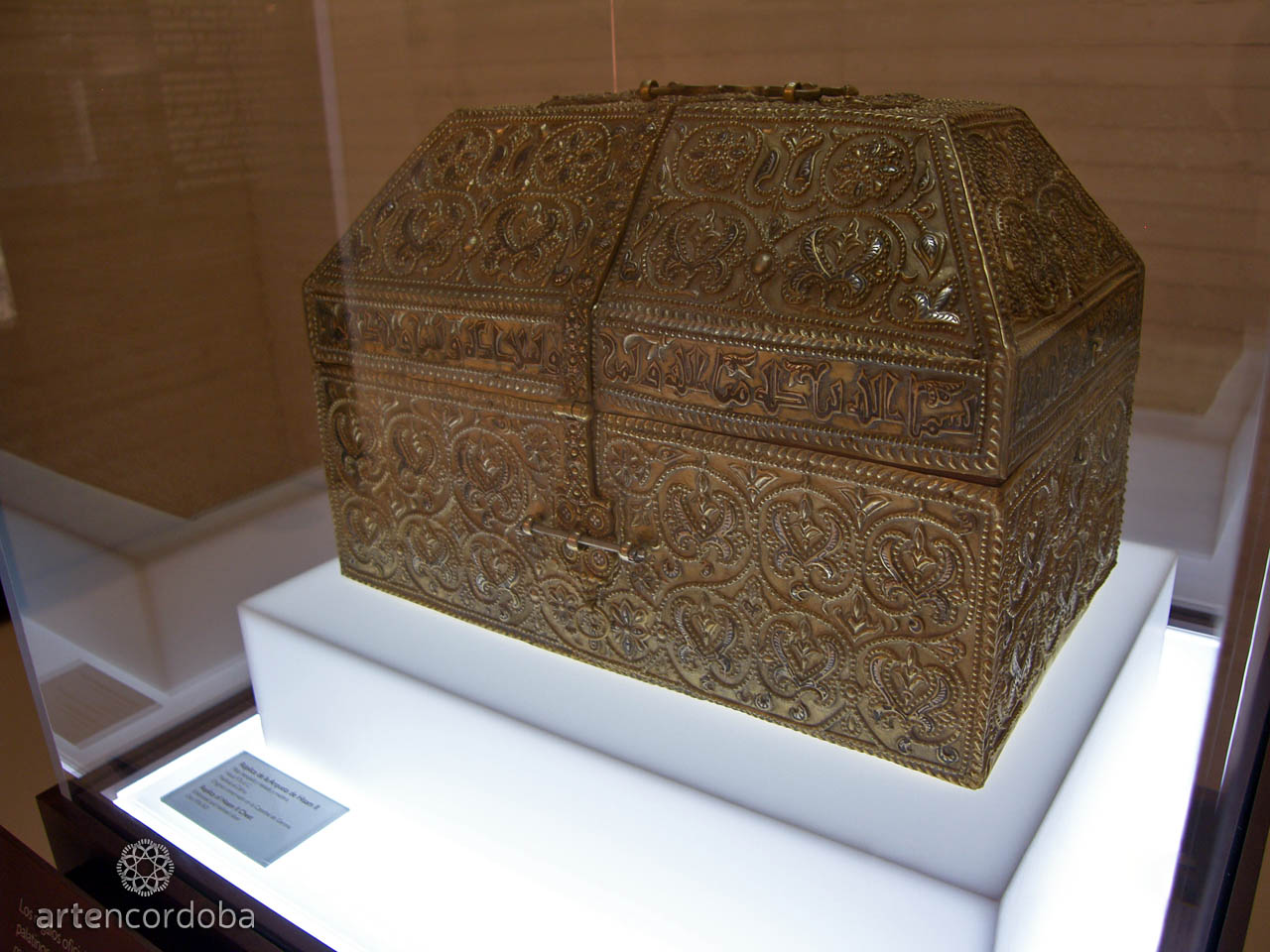
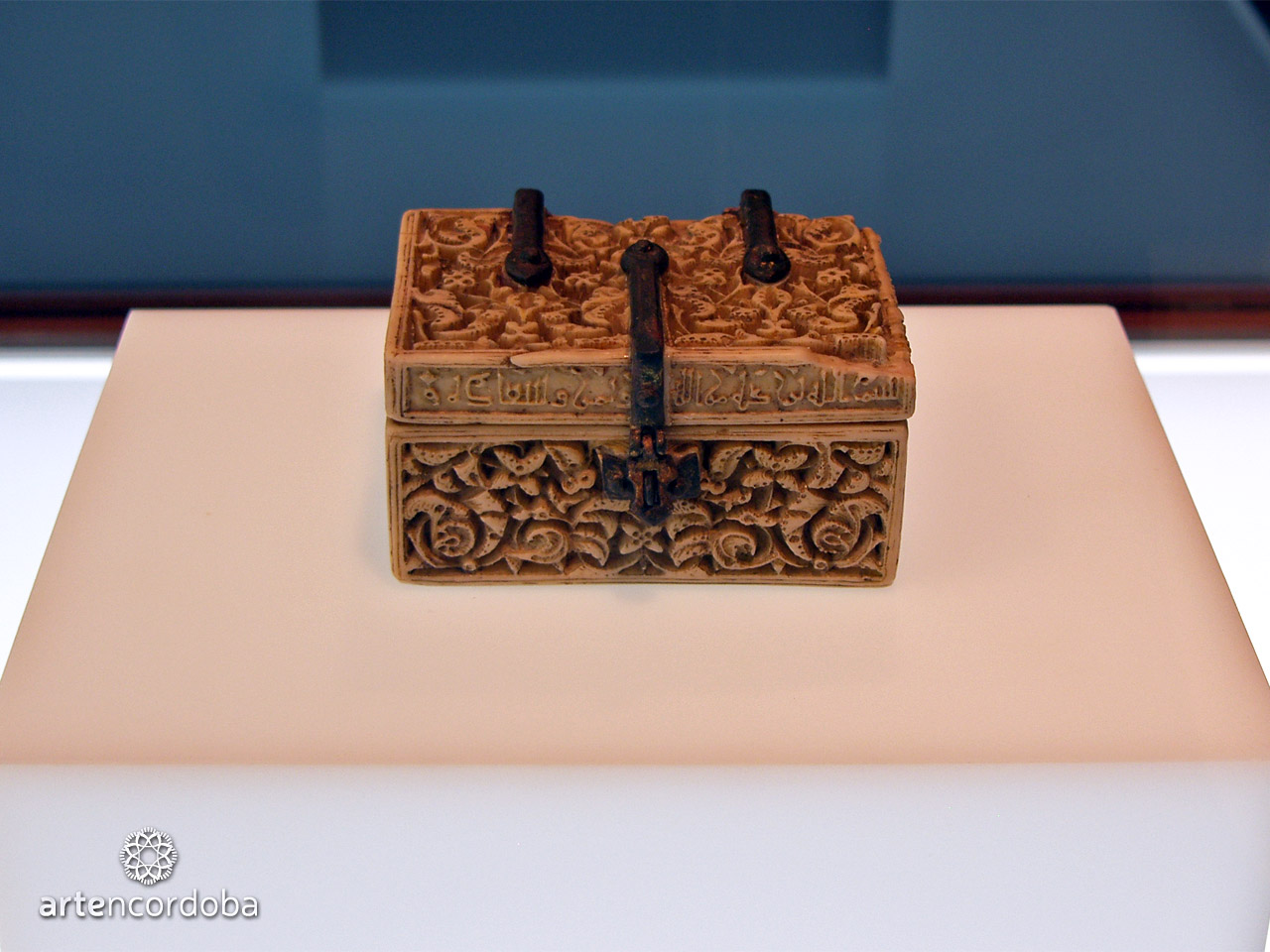
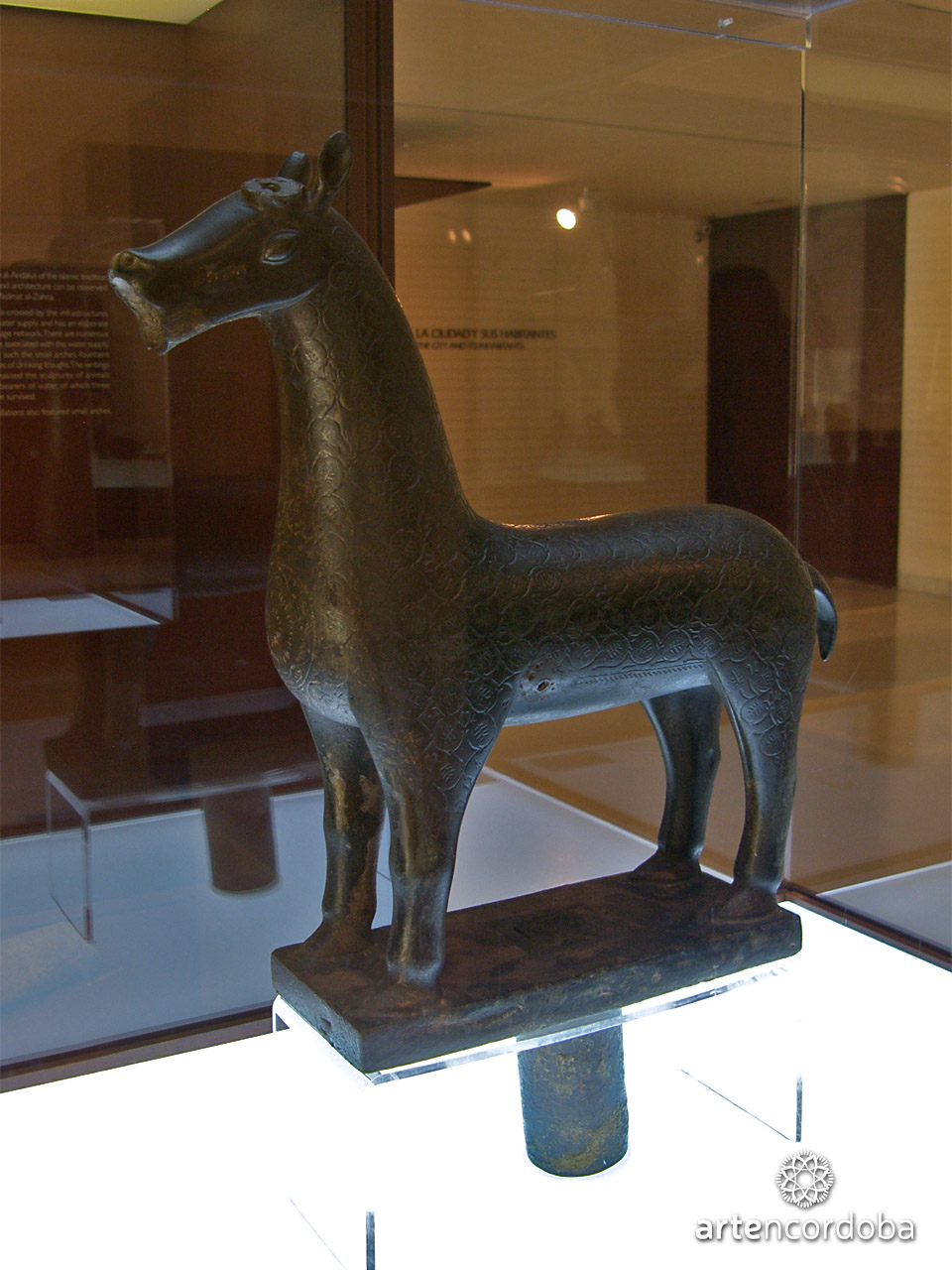
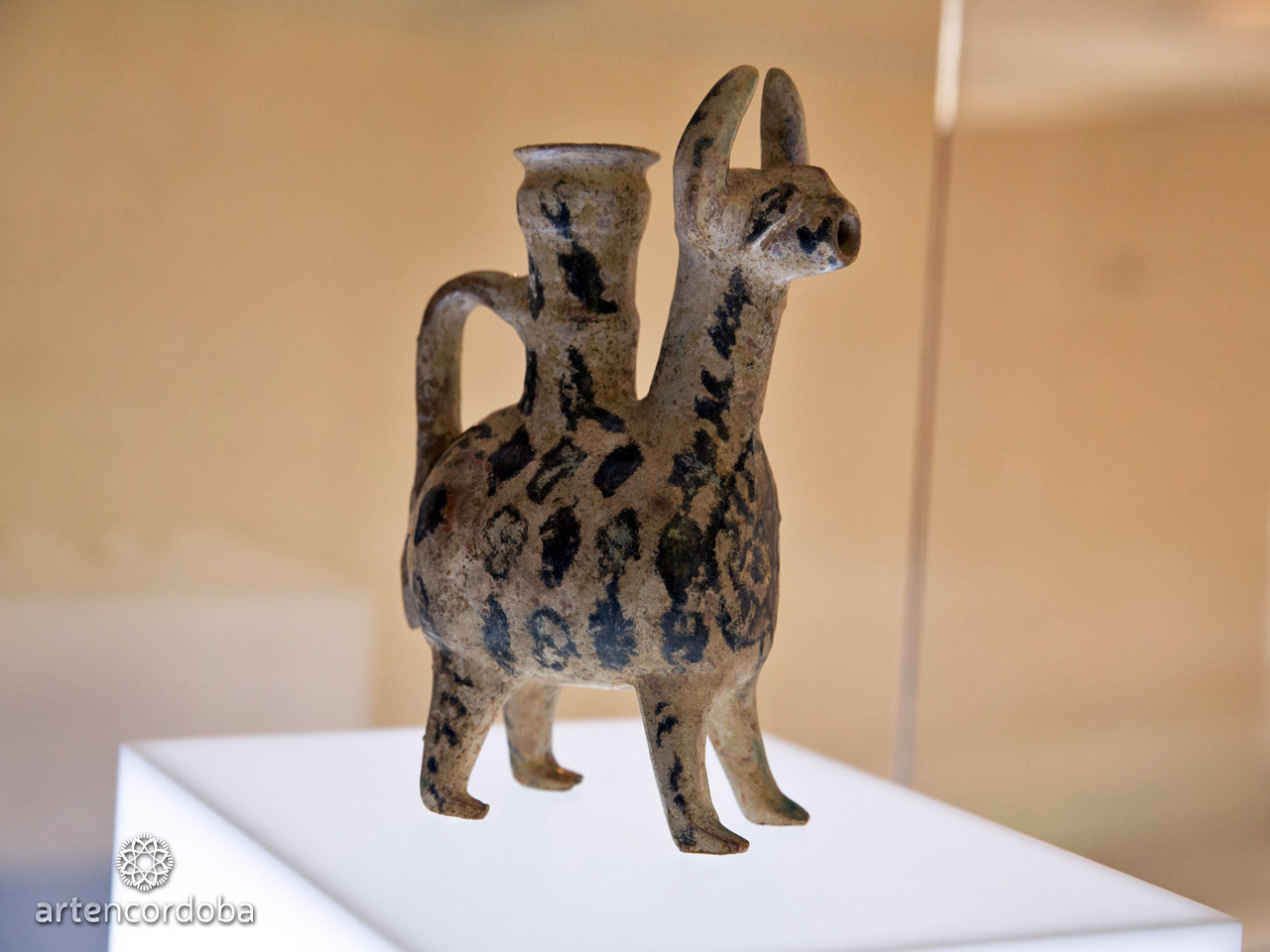
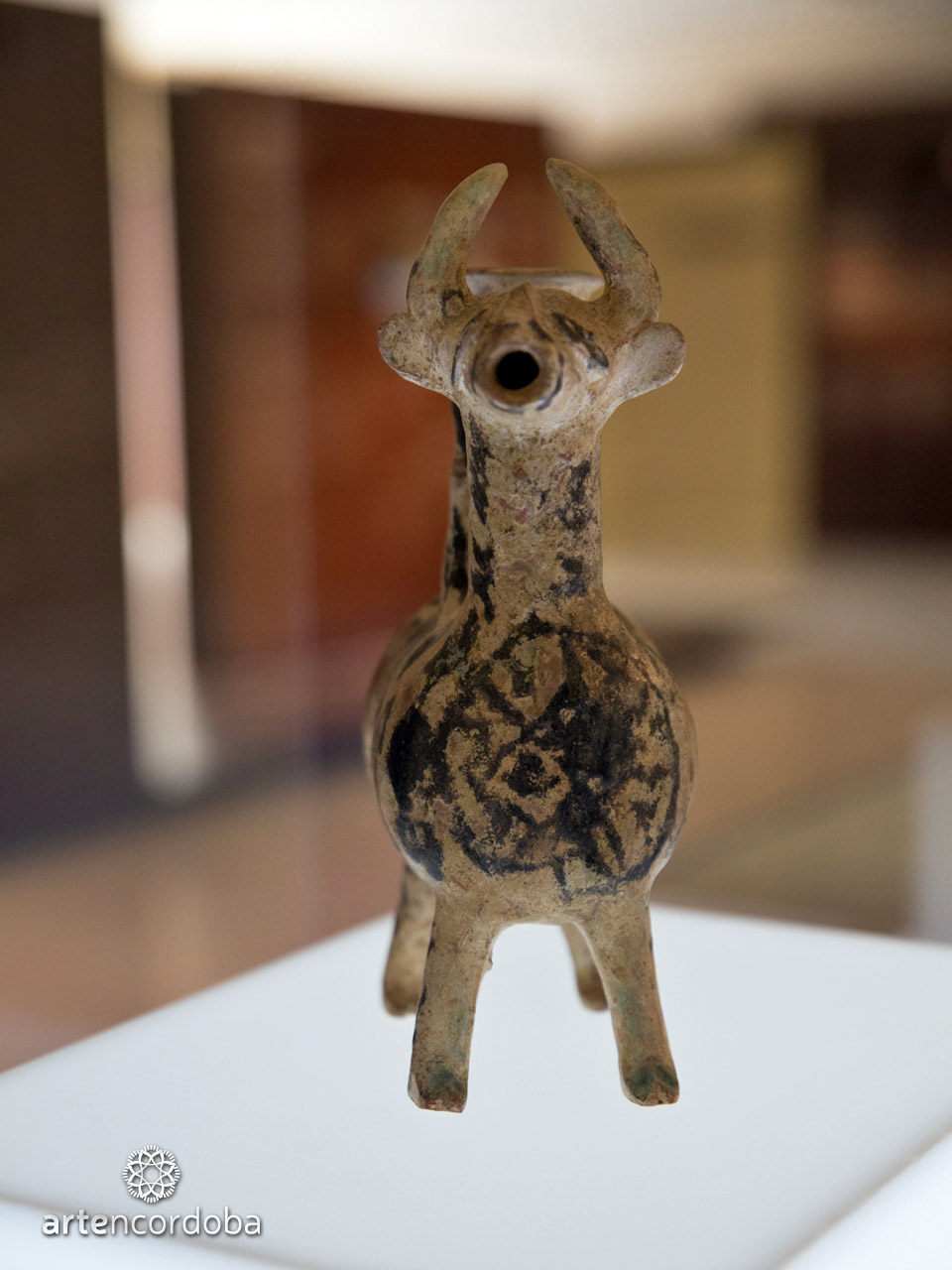
Each thematic block is accompanied by a series of original pieces—dating from between the years 936 and 1013—totaling 166 items. Highlights include ceramic samples, both from service areas used by servants and especially the green and manganese-glazed pieces used by the bureaucratic elite, as well as a Sundial, a model of the Caliphal baths, the Little Box of Wallada, and the Oil Lamp signed by Rasiq; epigraphic samples, architectural elements made of stone and marble, atauriques…; the Little Bronze Deer, a small bronze piece used as a water spout; or the Little Giraffe, which may have been part of a ceremonial tableware set, also used to pour liquids, decorated with white glaze and small fragments of green and manganese.
Visit the Interpretation Center
If you would like to discover the palatine city of Medina Azahara, don’t hesitate to book one of our guided tours. We will dedicate a special section to the Interpretation Center. We are experts in the interpretation of Córdoba’s historical heritage. If you have chosen to enjoy tourism in Córdoba, choose a quality option—choose ArtenCórdoba.
Text: Jesús Pijuán.