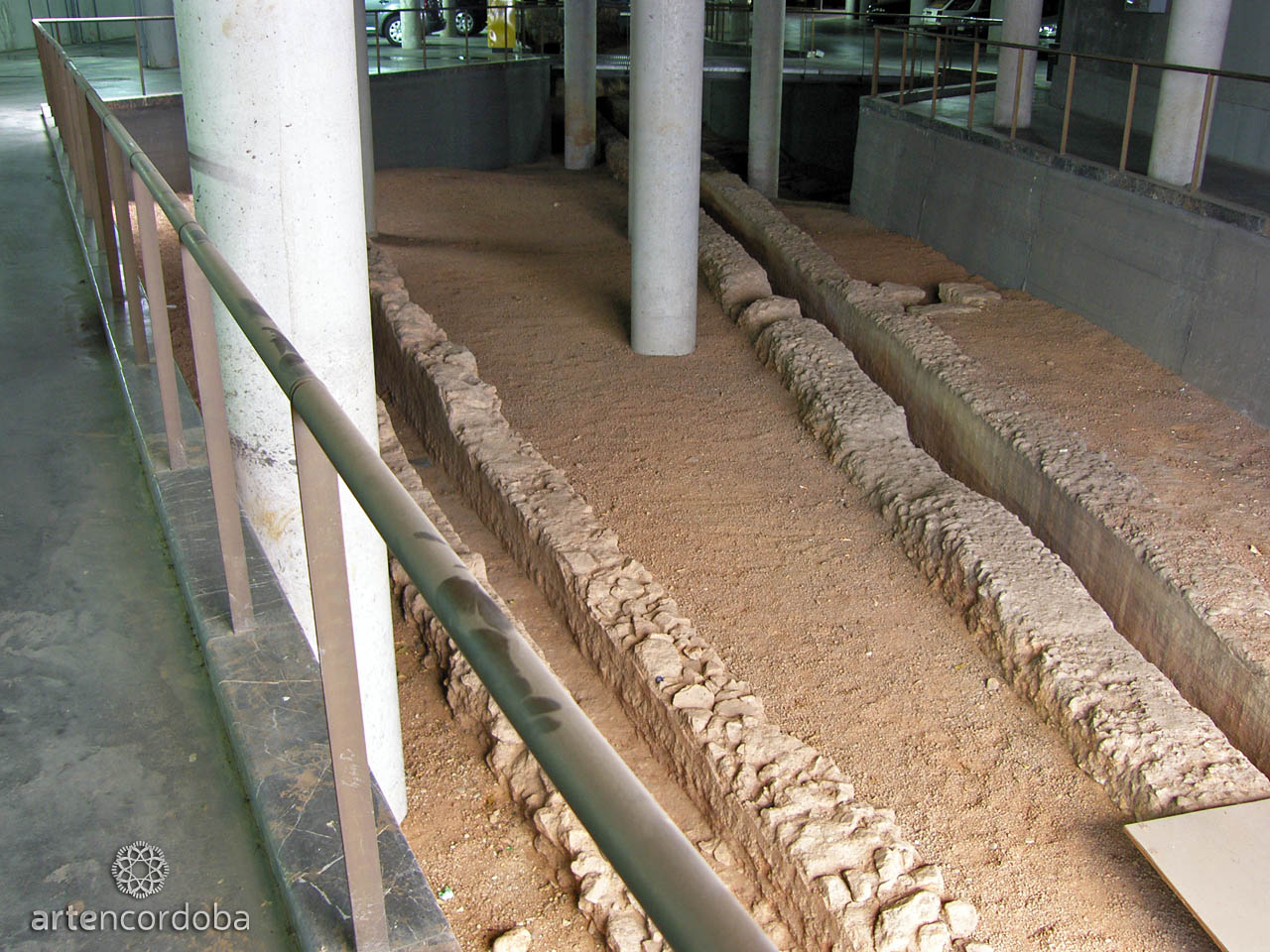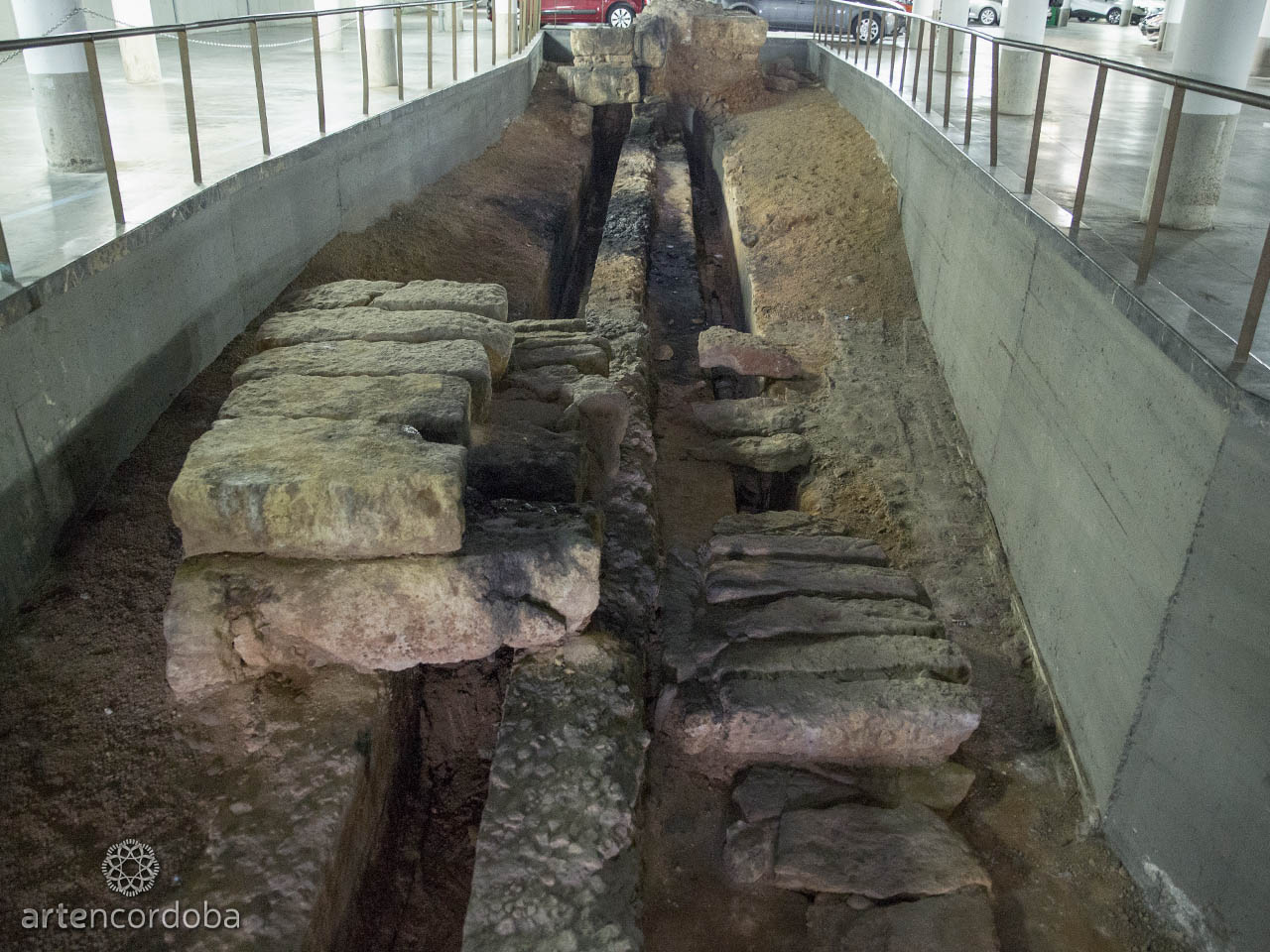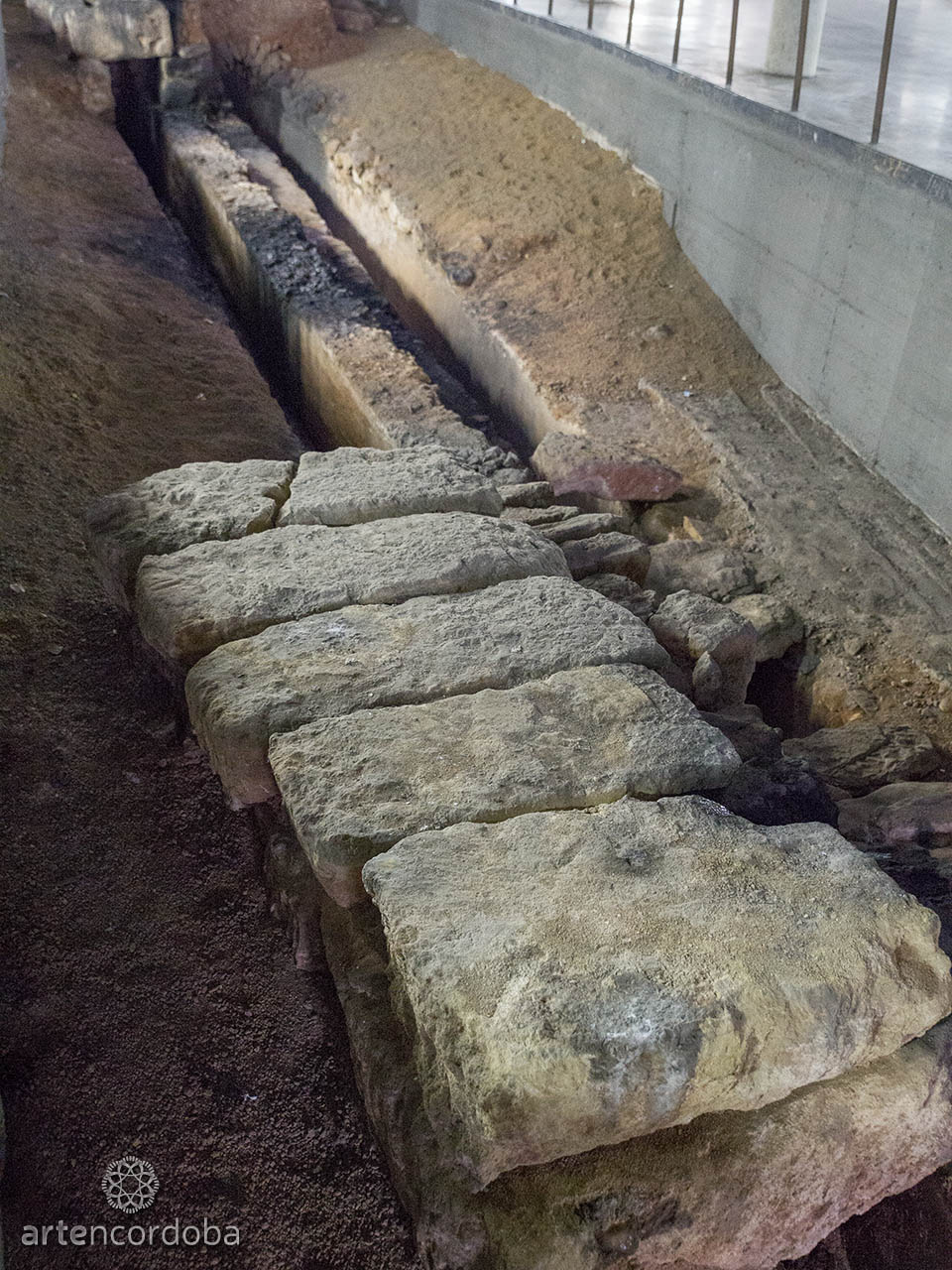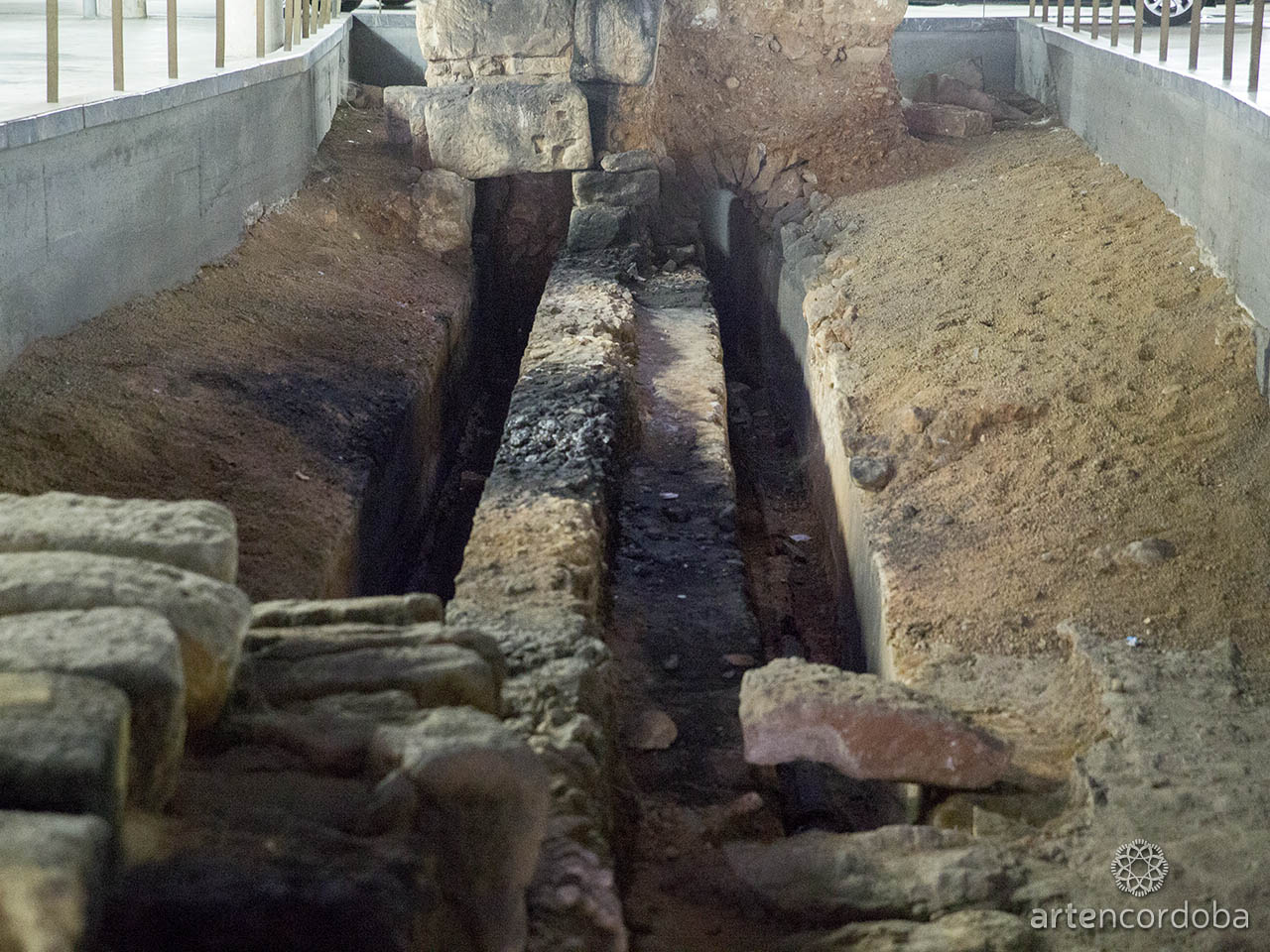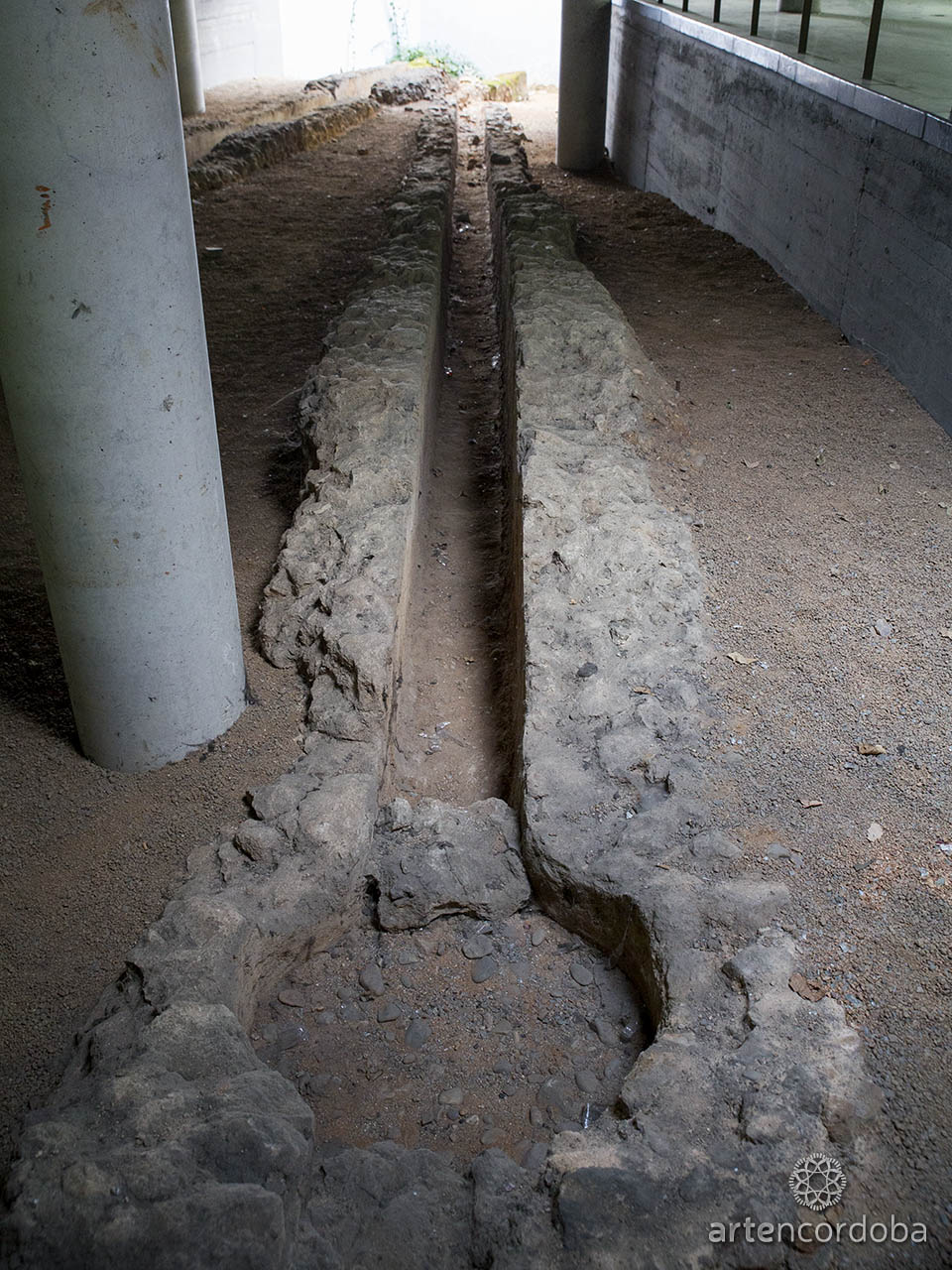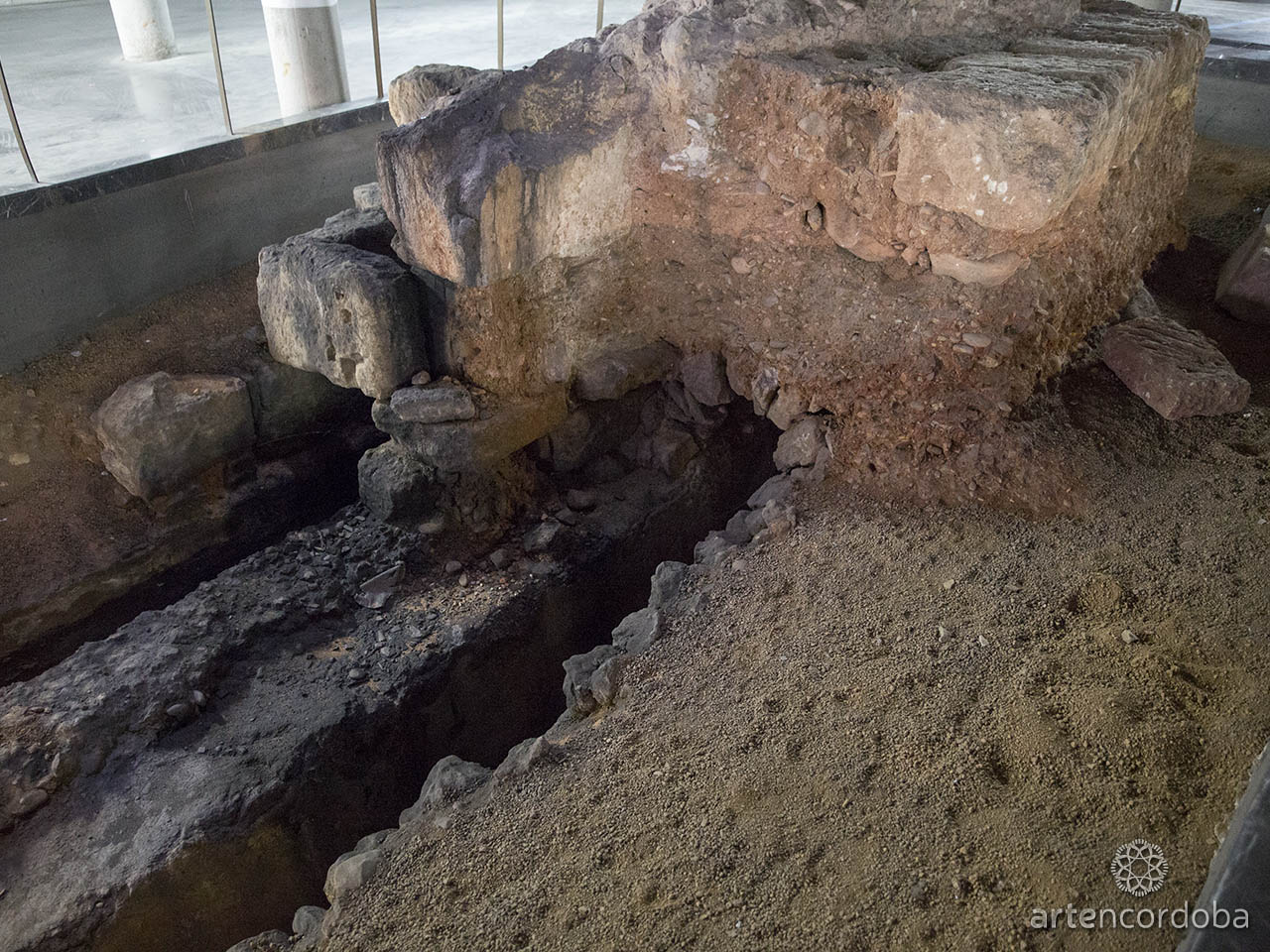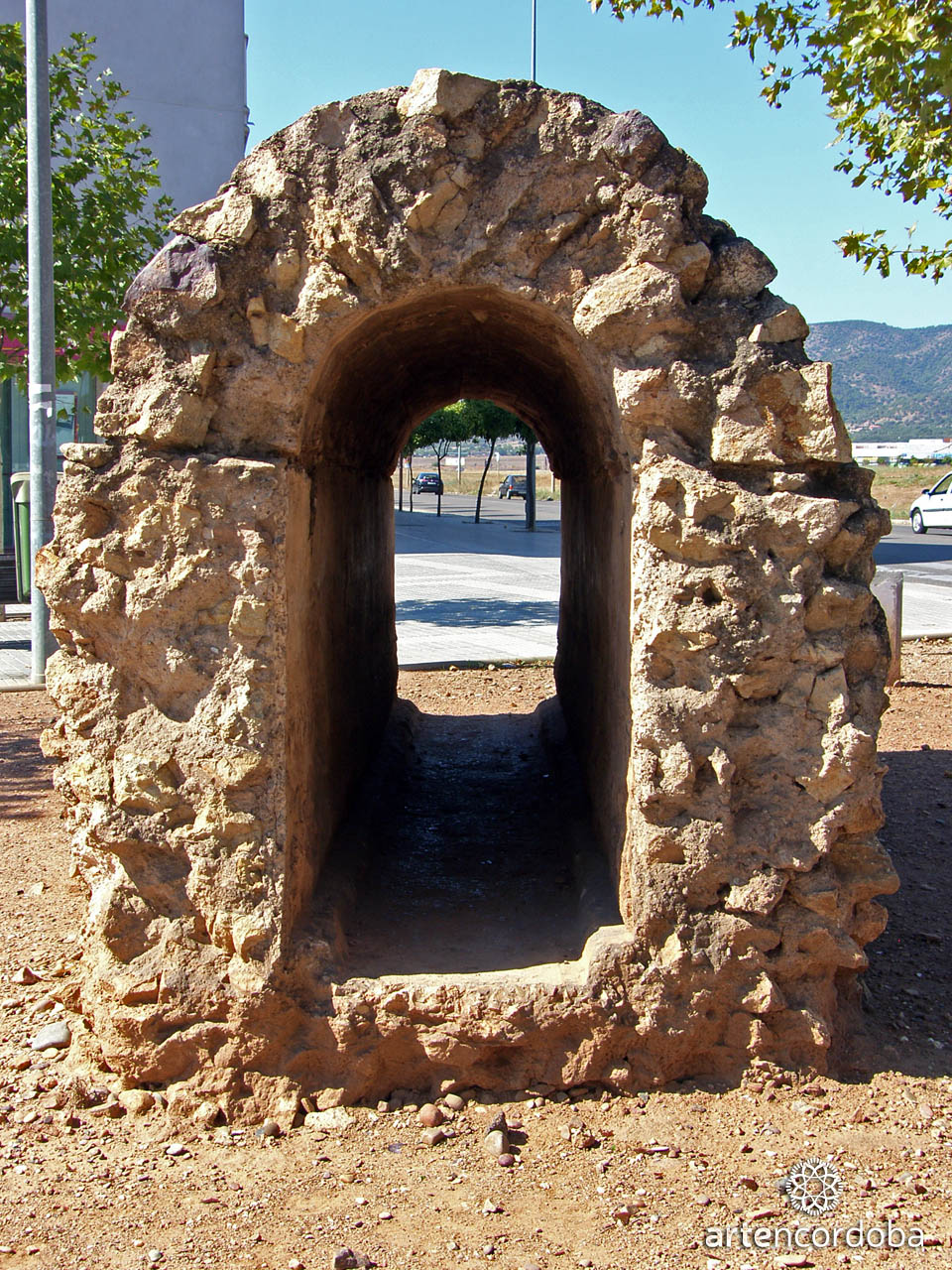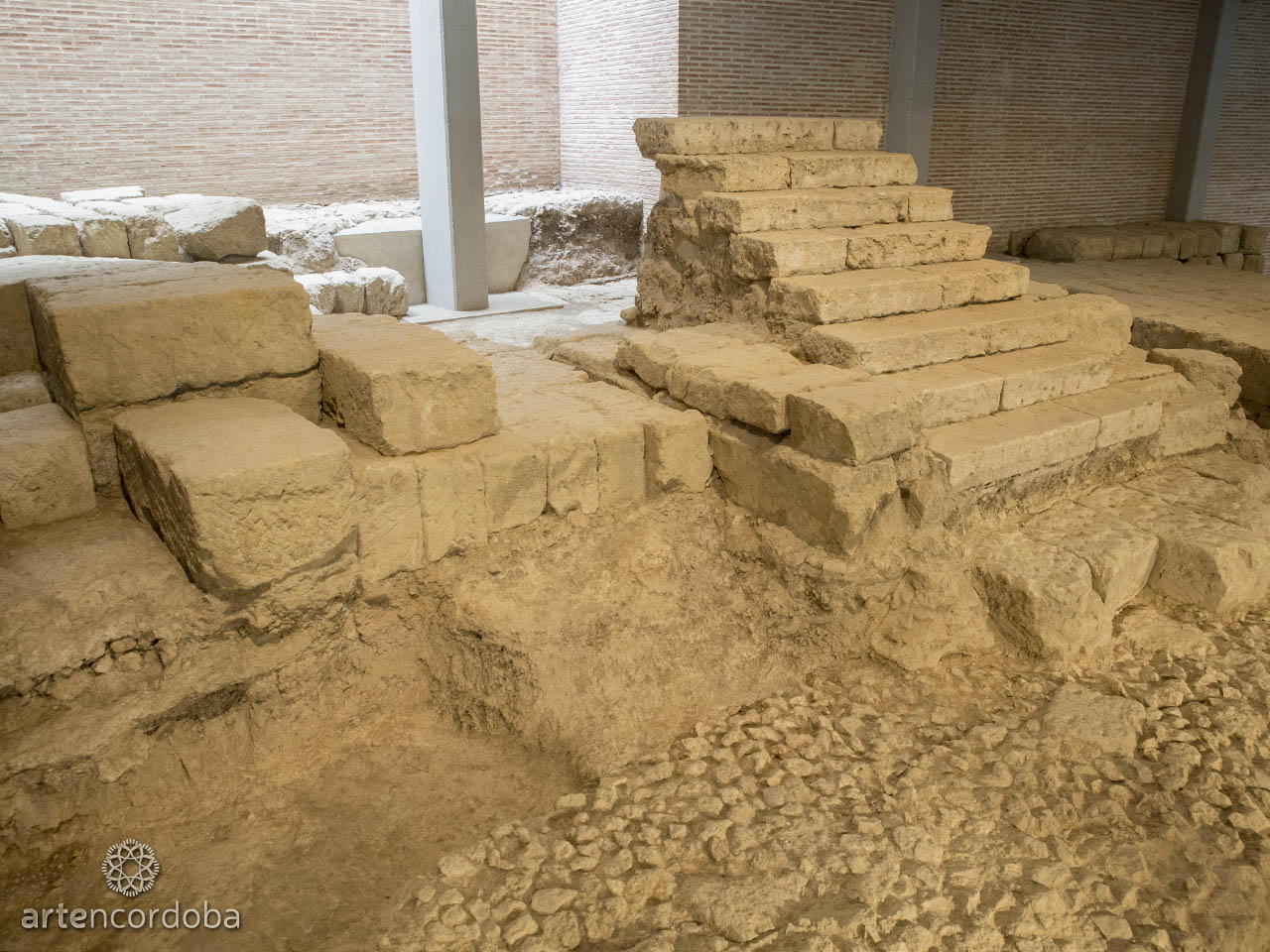






Corduba, or in other words, Roman Córdoba, was founded by General Claudius Marcellus between 169 BC and 152 BC, settling, as we will see in the section concerning urban planning, in front of the stretch of the Guadalquivir River where it ceases to be navigable. Without a doubt, the settlement had an unbeatable strategic position, serving as a platform for penetration inland during times of conquest. During the early years, the Romans coexisted with the indigenous population already living in nearby villages, but little by little, they disappeared.
The new city, located on the highest hill of the present-day city, held from the beginning the status of capital of the province of Hispania Ulterior (“Farther Hispania”), which tells us about the importance of Córdoba since ancient times. Over the years, a period of conflict arose in Rome, brought about by the civil wars between Caesar and the sons of Pompey, which culminated in the end of the Roman Republic. The city sided with the Pompeians, the losing faction, and thus reprisals were swift: Córdoba, which at the time had more than 20,000 residents, was harshly punished, beginning a long period of recession.
Corduba in the Age of Augustus
Corduba, or Roman Córdoba, was founded in the 1st century BC by General Claudius Marcellus.
With the rise of Emperor Augustus to power, things changed, as he settled a large number of veterans who had participated in the Northern wars in Roman Córdoba, granting them substantial plots of land. But the truly important event was that Augustus, despite the city’s political background, granted it the status of Colonia Patricia, the highest rank a city of the Roman Empire could achieve (others included Carthago Nova, Tarraco, and Astigi in Hispania).
Urban Transformations and Monumentalization
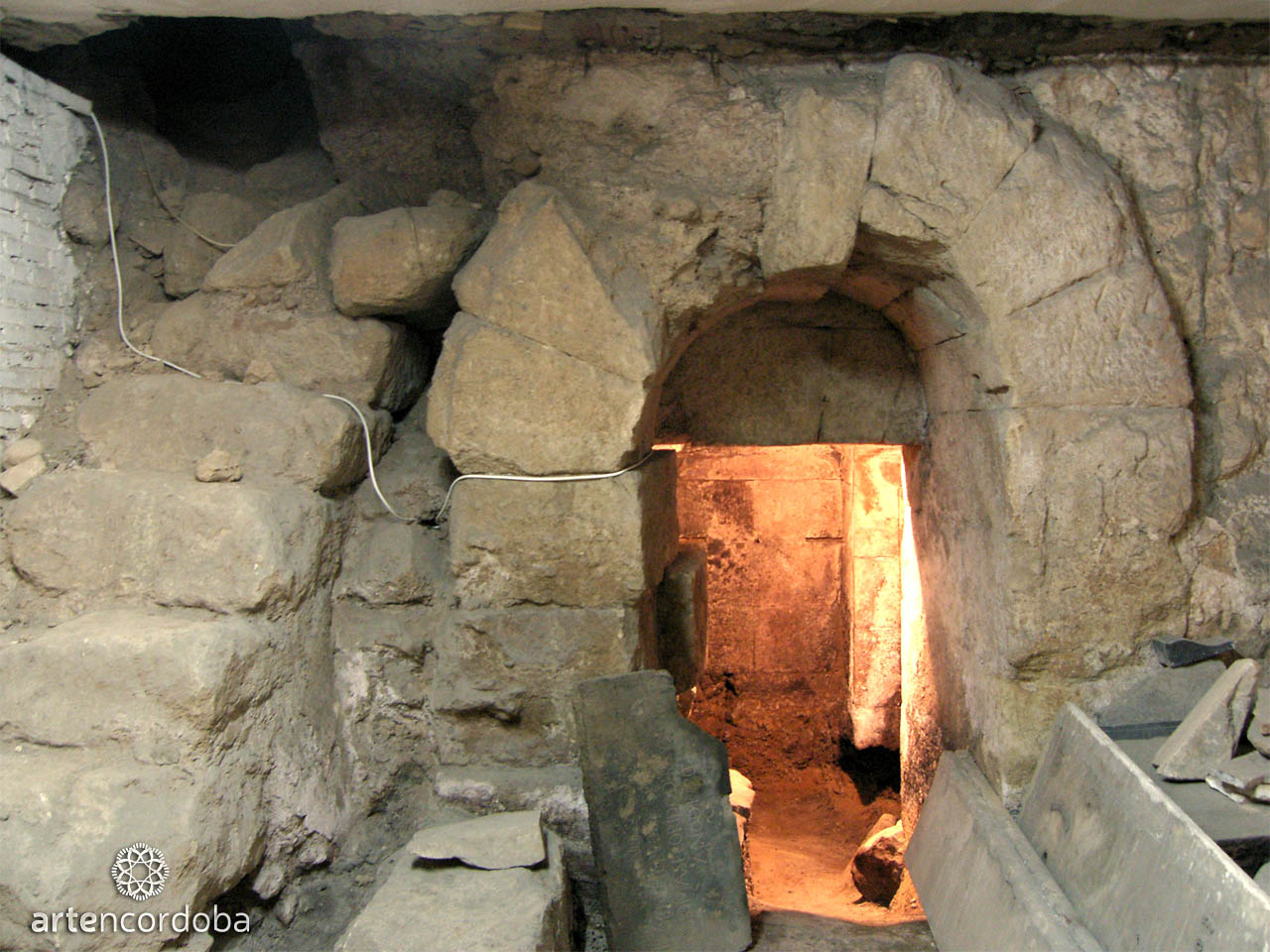
Throughout the 1st century AD, Corduba underwent numerous transformations as a result of this change in status. The walled perimeter was extended to reach the River Baetis (modern Guadalquivir), and a process of beautification and monumentalization began, following models brought from Rome, such as the remodeling of the original forum, which was expanded using the Forum of Augustus in Rome as an example. The Provincial Forum was also built, located in the Altos de Santa Ana, as well as the Port Center, situated near the Alcázar of the Christian Monarchs. The structure now known as the Roman Bridge was constructed, providing access to the city from the south, along with the first aqueduct, which ensured a permanent water supply.
Religious and Civil Architecture
Given the close relationship between Corduba and the Emperor, it is presumed that the imperial cult developed there from the very beginning. The Temple on Claudio Marcelo Street confirms this theory. The construction of this complex, in the manner of a public square centralizing official activities – as Desiderio Vaquerizo notes – was conceived as a tribute from the city to the Emperor and his family, dedicating it to his worship.
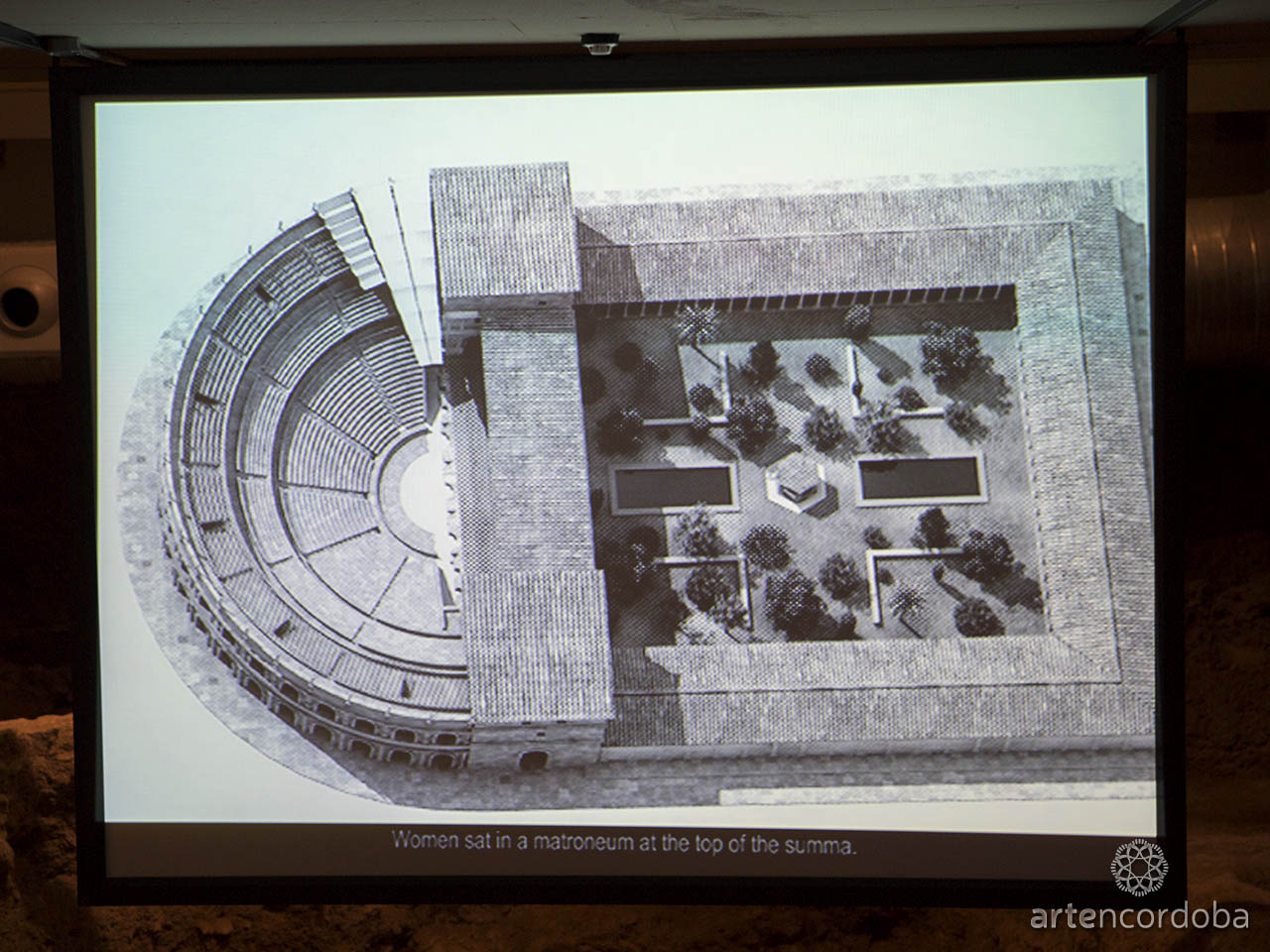
To the monumentalization of the city and the improvement of its infrastructure, one must add the significant development of civil architecture, as numerous domus (houses) and insulae (blocks) emerged, grouped into neighborhoods. On the other hand, we must not forget the monumental nature of the funerary landscape, which, according to experts, was in no way inferior to that of the capital of the Empire. Located along the first kilometers of roads leaving Roman Córdoba, the best-preserved example is the Mausoleums of the Puerta Gallegos, which we will examine more closely later on.
Decline and Final Major Projects
The splendor of Corduba persisted until the early crises of the 3rd century. Gradually, no new public buildings were constructed, and quality materials ceased to be imported, leading to a crisis in workshops and, consequently, to the reuse of spaces and aging of houses due to the lack of new constructions. All of this led to the loss of the status of provincial capital.
This bleak panorama of decline would only be offset by the construction of one of the greatest projects the city ever saw: the Palace of Emperor Maximian Herculeus. The palace was built to accommodate the Emperor during his stay in Córdoba, as he was engaged in a pacification campaign in the South of Hispania and North Africa.
Conclusion and Cultural Visit
Below, we have prepared a brief analysis of the urban evolution of the city. Following that, as usual, we have outlined a short itinerary through the most significant monuments that have been preserved.
If you wish to discover Roman Córdoba, do not hesitate to book one of our guided tours. We are experts in the interpretation of Córdoba’s historical heritage. If you have chosen to visit Córdoba, choose a quality option—choose ArtenCórdoba.
Text: J.A.S.C.